Uttarakhand Tourism launches 'Nakshatra Sabha': India's first astro tourism campaign
Uttarakhand Tourism launches 'Nakshatra Sabha': India's first astro tourism campaign
You're Reading


Synopsis
Starscapes and Uttarakhand Tourism Development Board collaborate on Nakshatra Sabha, an astro-tourism initiative in Mussoorie, expanding to Uttarkashi, Pithoragarh, Nainital, and Chamoli. The project aims to preserve night skies, … Read more

Google’s top 10 summer-perfect destinations for 2024


The Secretary of Tourism for the Government of Uttarakhand has expressed excitement about the project, recognising the state's potential to emerge as a premier destination for astronomy-focused travel. Uttarakhand's unique combination of abundant forest cover, nature-based tourism, easy access to major cities, and a well-established hospitality sector, including homestays, makes it an ideal location for attracting astro tourists from around the world.
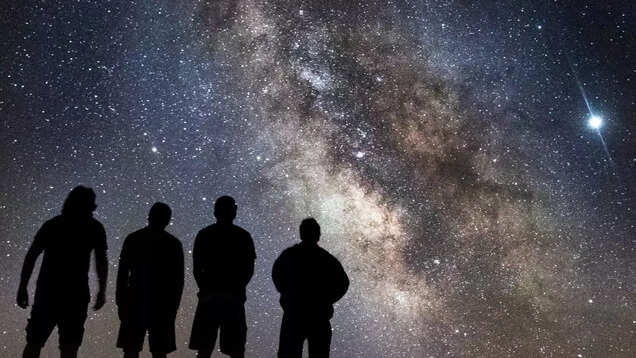
In addition to offering professional training and skill development opportunities for local residents interested in astronomy and tourism, Nakshatra Sabha aims to boost local economies and advocate for the preservation of night skies. By fostering a community of ambassadors dedicated to dark sky conservation throughout Uttarakhand, the initiative aims to implement a region-wide dark sky preservation policy over the coming year, ensuring the sustainability of astro-tourism in the region.
Also read: Exploring India's 8 oldest heritage sites
Also read: Prettiest places in Himachal Pradesh to explore this summer
What is preservation of night skies?
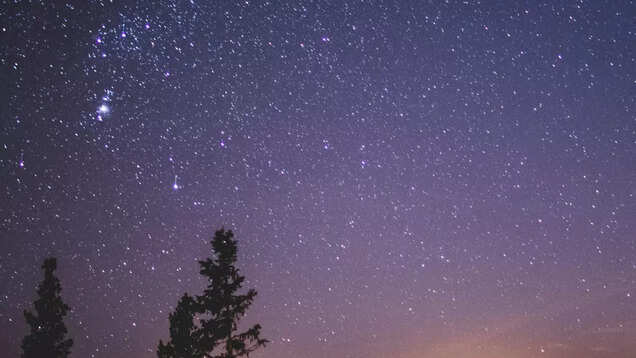
Preservation of night skies refers to the conservation of the natural darkness of the nighttime environment by minimising light pollution. It involves efforts to protect the clarity and visibility of stars, planets, and other celestial objects, as well as maintaining the natural rhythms of nocturnal ecosystems. This preservation includes reducing unnecessary artificial light sources, directing outdoor lighting downward to minimise skyglow, and promoting the use of energy-efficient lighting solutions. By preserving the night skies, we safeguard not only our ability to appreciate the beauty of the cosmos but also support the health and behaviour of nocturnal animals, conserve energy, and promote sustainable tourism and human well-being.

closecomments

Be the first one to review.
We have sent you a verification email. To verify, just follow the link in the message
end of article
Next story
6 tips to spot tigers in the wild!
Visual Stories
10 pretty Indian villages to visit this year-end
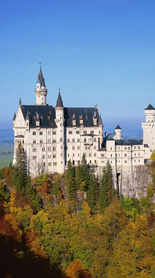
8 castles in Germany straight out of a fairy-tale
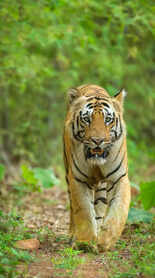
8 tiger reserves every wildlife enthusiast should visit in India

10 animals that are easily spotted in Ranthambore National Park
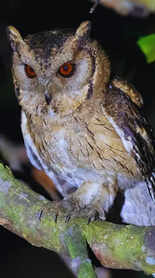
How to prepare for a night safari in India?
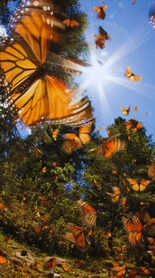
9 rare animals to spot in the Western Ghats and where to find them


Trending Stories
From lounges to last-minute deliveries — here's what's waiting for you at the Chhatrapati Shivaji Maharaj International Airport
From gym runs to weekend getaways: Why versatile bags are becoming travel and everyday essentials
I usually laughed off ghost stories — until one freezing night in West Sikkim changed everything
India's 'Mountains of Death' is not actually a mountain – what and where is it?
Places that receives highest rainfall in south India during monsoon season



Comments (0)