
Jennifer Winget's style on TV: How every character she played had its own fashion language
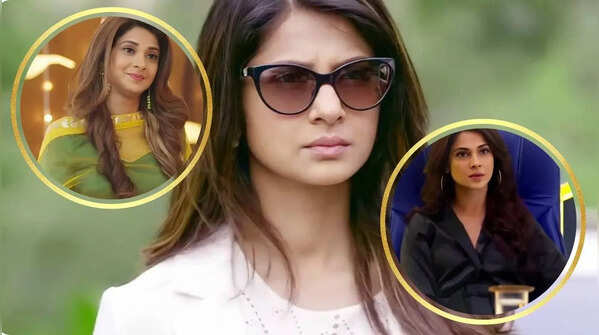
Jennifer Winget's style on TV: How every character she played had its own fashion language
Indian television's most iconic actress is back in the headlines, and this time it is not for a new show. As Hindustan Times reported, Jennifer Winget is planning to marry Singapore-based businessman William Ishmael, with sources suggesting the couple is actively preparing for their wedding. With all eyes back on her, it feels like the right moment to look at the one thing that has always set her apart, the way she dressed on screen, and why it always meant something.
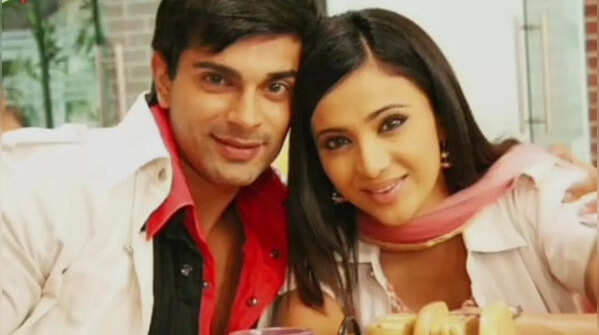
The early days: 'Dill Mill Gayye'
Before Jennifer Winget became the name everyone associated with obsession and revenge, she was Riddhima Gupta in 'Dill Mill Gayye', a role that introduced her to a massive audience and set the tone for a career built on characters with real emotional depth. Her styling here was fresh, youthful, and distinctly relatable, the kind of wardrobe that felt like something a girl next door would actually own. Casual separates, simple silhouettes, and an overall look that was clean and approachable. Nothing dramatic, nothing loud. Just a girl in clothes that made complete sense for who she was.
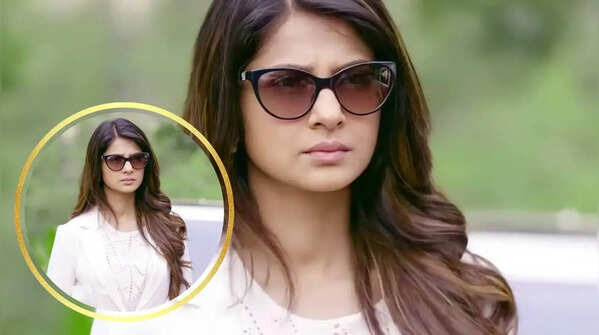
'Beyhadh': The all-white era that redefined TV fashion
Nothing on Indian television had quite looked like Maya before. In 'Beyhadh', which aired from 2016 to 2017, Jennifer's entire wardrobe as Maya was built around a single colour, white. Formal suits, structured blazers, tailored dresses, flowing separates, all of it white, all of it sharp, and all of it deeply intentional. The colour was not a coincidence. Maya was a woman whose obsession looked perfectly controlled on the surface, and the wardrobe reflected exactly that. Crisp, cold, and beautiful in a way that felt slightly unsettling the longer you looked at it. The all-white phase became so iconic that it is still referenced in conversations about Indian TV fashion years later.
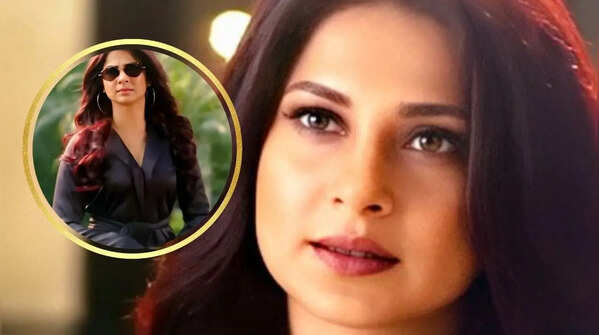
'Beyhadh 2': From white to black, Maya returns darker
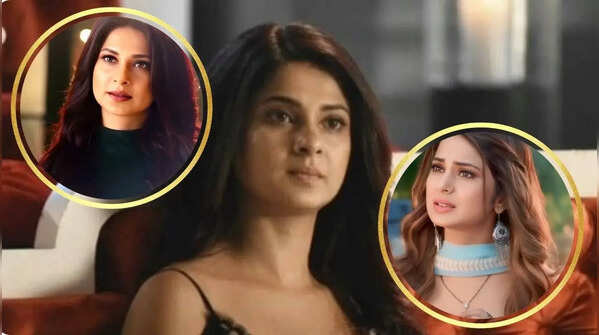
When Maya came back for 'Beyhadh 2' in 2019, the wardrobe switched entirely and the message was clear from the very first episode. Where season one Maya wore white because she was searching for love, season two Maya wore black because she had given up on it entirely. Fitted bodycon dresses, sharp black blazer suits, tailored skirts, and structured corporate looks in deep, unforgiving black became her signature. The silhouettes were bold, the cuts were precise, and the overall effect was of a woman who had made up her mind and was not going back. The fashion in this season was darker, harder, and considerably more powerful than anything Maya had worn before.
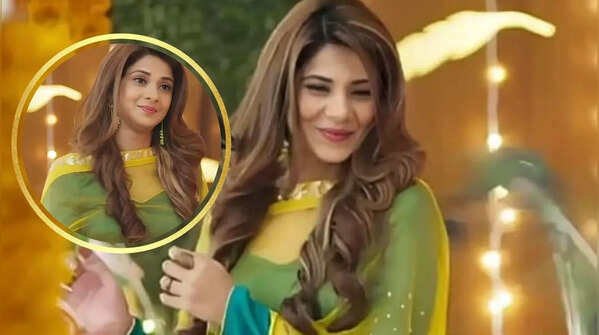
'Bepannaah': The ethnic reset that surprised everyone
After two seasons of monochrome Maya, Jennifer's look as Zoya in 'Bepannaah' felt like a completely different actress had walked onto the screen. Zoya was warm, traditional, and deeply rooted in her identity, and the wardrobe built around her reflected all of that. Long kurtis paired with flared skirts, colourful dupattas in complementary tones, and a soft rotating palette of pinks, creams, blues, and greens made up the bulk of her on-screen wardrobe. The jhumkas were a constant, from gold to silver to bronze, always simple, always perfectly matched. It was ethnic dressing done with real thought, the kind of wardrobe that felt effortless but clearly had intention behind every single outfit. Brides, bridesmaids, and everyday fashion lovers alike took inspiration from Zoya's wardrobe in a way that rarely happens with Indian television costumes.
What makes her TV style stand apart
Jennifer Winget is one of the very few Indian television actresses whose on-screen wardrobe has been discussed and recreated by audiences with the same seriousness usually reserved for film fashion. The reason is simple. She never wore clothes on screen just to look good. Every outfit she put on told you something true about the character wearing it. White for control. Black for vengeance. Colour for warmth. That level of intentionality in television styling is rare, and it is a large part of why every show she has done has left a lasting visual impression long after the episodes stopped airing.

Featured In TV
