Story: Clara del Valle grows up in a wealthy family where love and control are often in conflict. As her life unfolds, changing times begin to strain relationships and shape the fate of those around her.
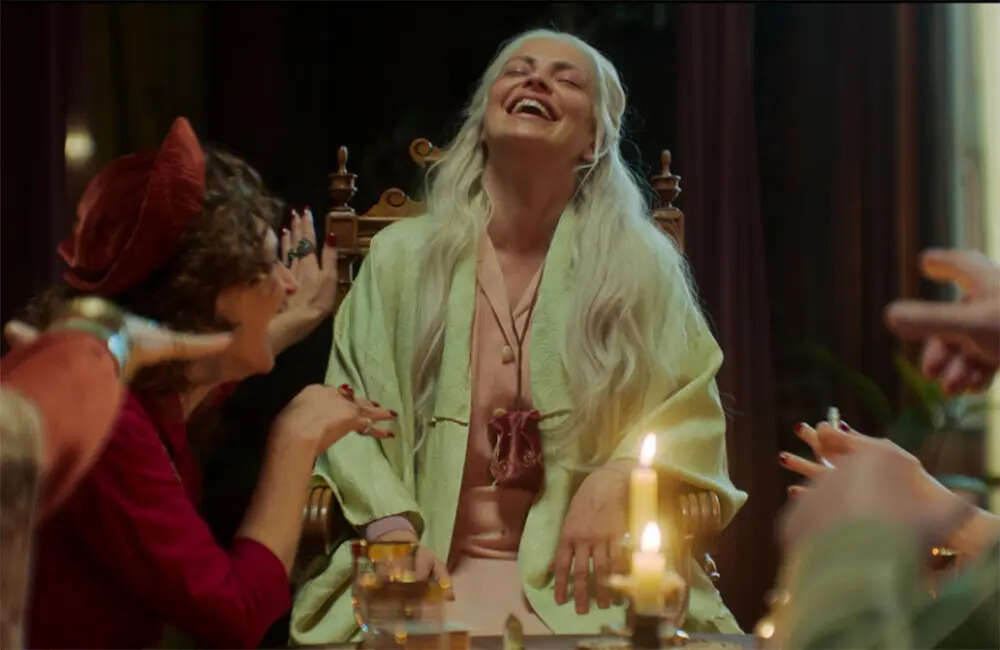
Review: ‘The House of the Spirits’ sets up a generational story that feels both wide in scope and deeply personal at the same time. This series is a sweeping saga based on Isabel Allende’s famed book that also offers a glimpse into the socio-political milieu of Chile, spanning the first six decades of the 20th century. It’s a spectacular series that adopts a steady approach, building its world through mood, detail, and character rather than quick drama. The mix of magical realism and something slightly otherworldly gives it a distinct texture. This series will remind viewers of the treatment and tonality of “100 Years of Solitude.” It may take a little time to settle into its rhythm, but once it does, it holds attention with ease. There is also a strong sense of place in the way spaces are used. Homes, land, and even silence feel important here, not just as background but as part of the storytelling.
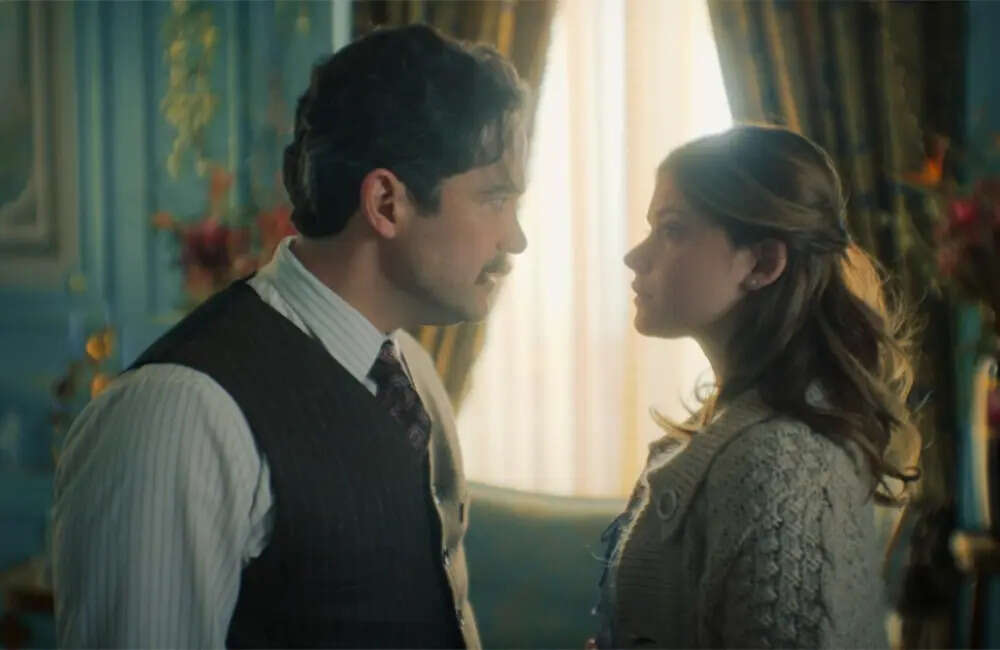
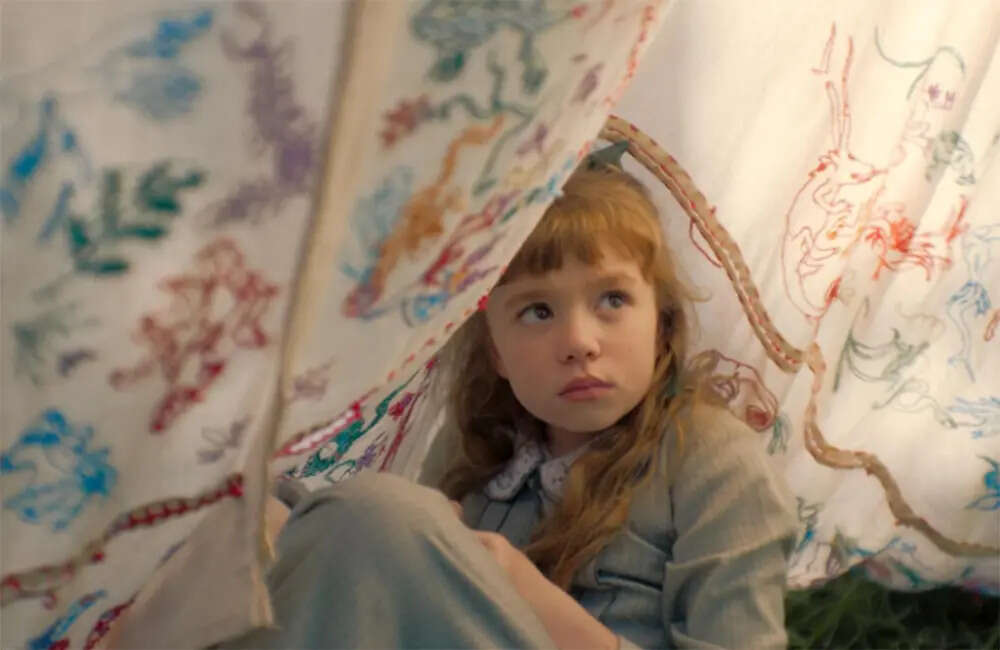
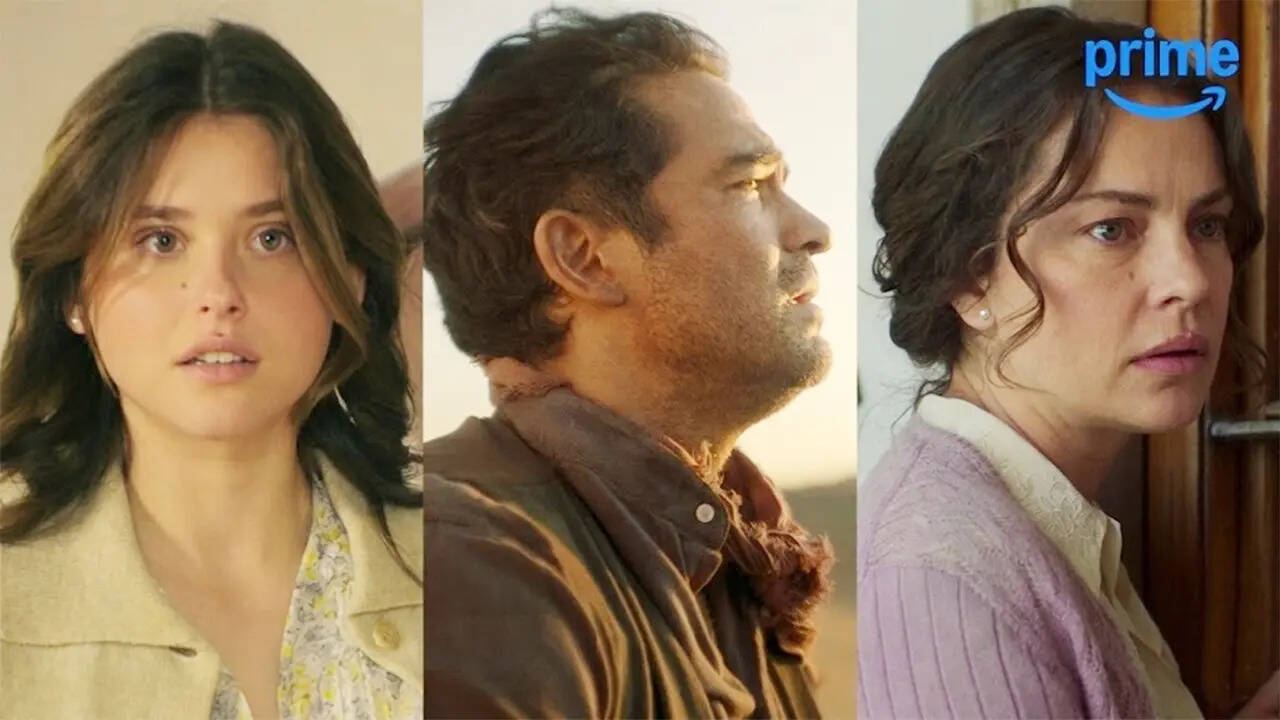
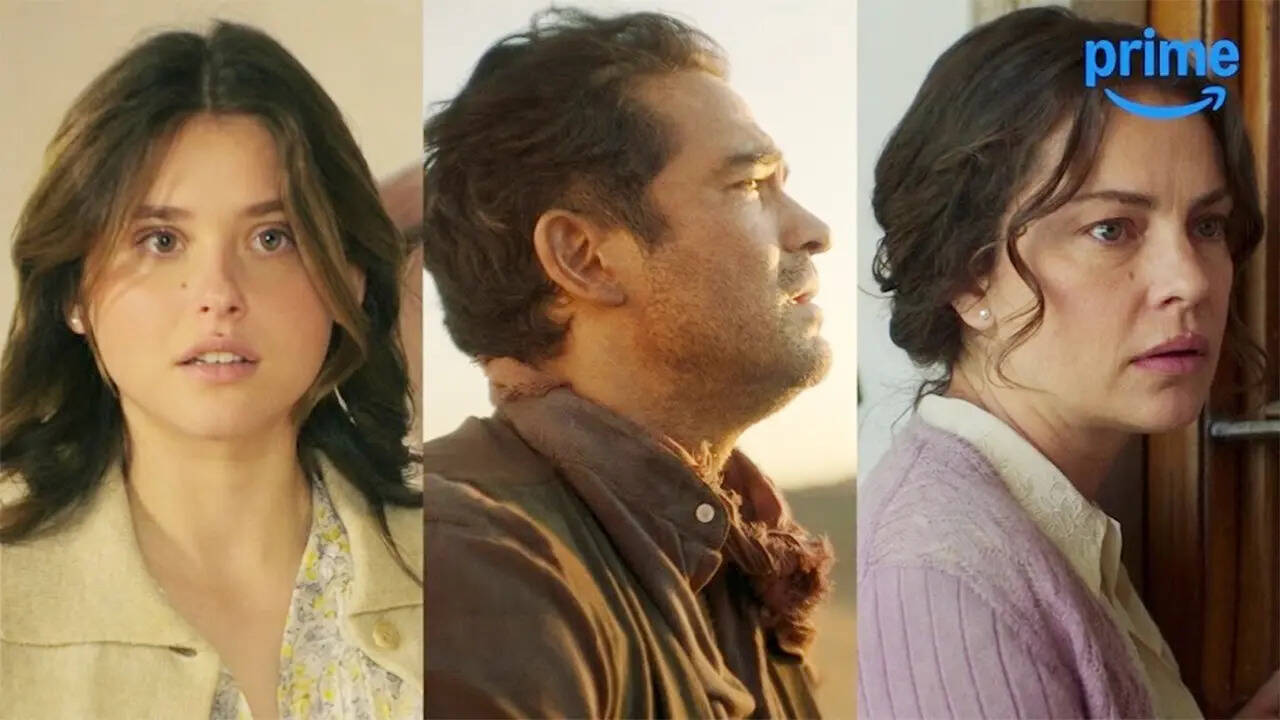
The plot follows Clara del Valle (Nicole Wallace), whose inner world shapes everything around her. She grew up in a warm family but has unusual abilities that let her sense things others cannot. Her elder sister Rosa is set to marry Esteban Trueba (Alfonso Herrera), a gold miner who later becomes a landowner. A sudden tragedy changes everything when Rosa dies after drinking poisoned wine. The shock leaves Clara unable to speak, and she remains silent for years until her voice returns after a long gap. Time brings Clara and Esteban together, and they eventually marry, though they are very different from each other. Esteban is driven by control and desire, while Clara moves through life with calm and instinct. Their daughter, Blanca, grows up in this tense household and forms a close bond with Pedro Tercero (Nicolas Contreras), whose social standing puts him in direct conflict with Esteban. As the story moves forward, relationships begin to shift and strain, while a changing political climate starts to affect their personal lives.
Produced by Eva Longoria, as a piece of storytelling, the show shows care in how it builds its themes. Based on the first three episodes, the pacing is measured but largely effective, allowing moments to breathe without losing focus. The magical elements are present, mostly through Clara, but they are handled with restraint, which helps them sit more naturally within the world of the story. What stands out is the way the series looks at control, love, and quiet resistance within the family. The writing does not spell everything out, and that works in its favour. There is also a sense that the story is holding back certain layers, which creates curiosity instead of confusion. The series features several characters, each with a distinct arc, from Férula (Trueba’s sister) to Pancha García (with whom Trueba has an illegitimate child) to Tránsito.
Alfonso Herrera, in the role of Esteban, brings intensity without making the character feel flat. There is anger in him, but also flashes of something more fragile, and those moments make a difference. Nicole Wallace as Clara delivers a performance that is calm but deeply felt. She is emotional and has her heart in the right place. Nicolas Contreras as Pedro Tercero brings warmth and sincerity to his role, and his character is firmly established in the first three episodes. Férula, Esteban’s sister, has a mysterious presence in the series, and Fernanda Castillo has aced the role. Across the board, the cast feels in tune with the tone of the show, helping it stay believable even when it leans into its more unusual elements.
‘The House of the Spirits’ is spectacular in its scale as it chronicles three generations of women in a family. It is beautifully filmed, and the drama is deeply engrossing. Though it moves at a leisurely pace, it remains a strong and engaging series. The series knows what it is doing and stays consistent in its approach. There is enough depth in the characters and themes to keep viewers invested, and the early 20th-century milieu of Chile adds to the experience. It is a good show that rewards patience, and it feels like it has more to offer as it moves forward. If it continues to build on this foundation, it could turn into something more rewarding. For now, it stands as a thoughtful and well-made series that is worth watching.





























































 Andres WoodDirector
 Fernanda UrrejolaActor
 Maribel VerduActor
 Juan Pablo RabaActor
 Alfonso HerreraActor






0/5