
- News
- Real Estate News
- Types of helmets and their purpose in real estate and construction
Types of helmets and their purpose in real estate and construction

Types of helmets and their purpose in real estate and construction
Construction and real estate environments are associated with different safety hazards, including head injuries from falling objects, electrical shock, and accidental collisions. Safety helmets are a crucial safety gear that can minimise these dangers. Depending on the safety standards established by bodies such as the Occupational Safety and Health Administration and the American National Standards Institute, different safety helmets are used depending on the nature of the workplace hazards.
Image Credit: Canva
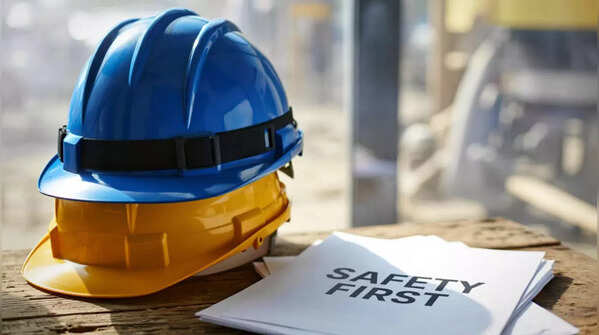
Type I Safety Helmets – Top Impact Protection
Type I helmets are intended to protect workers from impacts that hit the top of the head. These helmets are usually used in construction sites where tools, debris or materials could fall from above. They work by reducing the impact force that reaches the head through an internal suspension system. These helmets are commonly used in building construction and infrastructure development projects where overhead impacts are likely.
Image Credit: Canva

Type II Safety Helmets – Lateral Impact Protection
Type II helmets are intended to protect workers from impacts that hit the top and sides of the head. These helmets are ideal for use in environments where workers are likely to collide with beams, machinery, or moving objects. They are commonly used in complex construction projects, such as industrial and commercial real estate developments, where side impacts are likely due to tight spaces and moving equipment.
Image Credit: Canva

Class G (General) Helmets – Low-Voltage Protection
Class G helmets are intended for general construction purposes and offer limited protection against electricity (usually tested to 2,200 volts). These helmets are best suited for real estate development projects where employees work in the presence of standard electrical installations. Class G helmets offer protection against impact, penetration, and low-voltage electrical exposure.
Image Credit: Canva

Class E (Electrical) Helmets – High-Voltage Protection
Class E helmets offer higher electrical resistance (tested up to 20,000 volts). They are essential for workers involved in electrical installations, utility connections, and high-voltage systems within residential, commercial, or industrial real estate projects. In addition to impact protection, these helmets reduce the risk of electrical shock in hazardous environments.
Image Credit: Canva
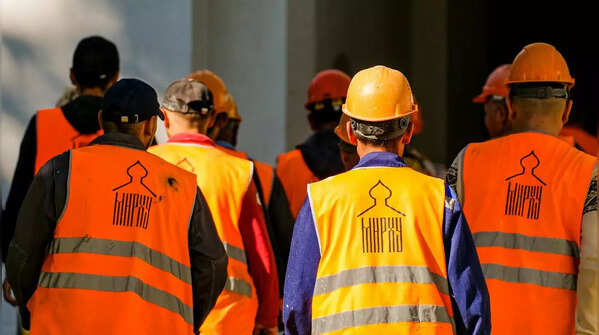
Class C (Conductive) Helmets – Comfort and Ventilation
Class C helmets are designed mainly for impact protection and comfort. They are not electrically insulated and are usually designed to be light and ventilated. These are ideal for use in construction activities where there are no electrical risks, like interior finishing, painting, or carpentry work in real estate projects. They help in minimising heat stress with head protection intact.
Image Credit: Canva
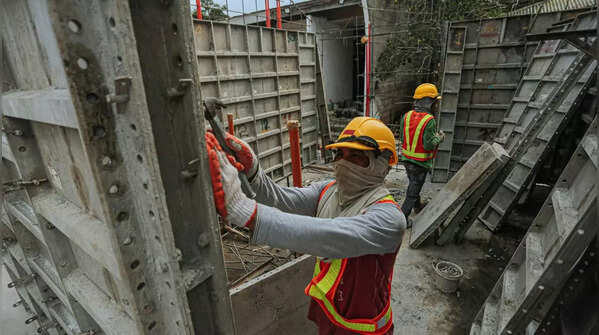
Colour-Coded Helmets – Role Identification on Site
Construction sites commonly identify the role and duties with the help of helmet colours. An illustration of this is that the engineers and supervisors use white helmets, the general labourers yellow, skilled workers blue and finally safety officers green. Although colour codes might differ depending on the company, they enhance coordination, communication and safety management among large real estate developments.
Safety helmets are very important in real estate and construction settings as they help to minimise head injuries resulting from impacts, falling objects and electrical shock. Depending on the Type I, Type II safety helmets and the Class G, E, and C categories, each has a different application depending on the workplace hazards. Selecting the appropriate safety helmet not only helps in adhering to safety standards but also helps in creating a safer and more organised workplace environment.
Image Credit: Canva
Featured In Real Estate

