
- News
- World News
- Rest of World News
- The Caspian Sea: A ‘lake’ so huge it outsizes Japan and touches five nations
The Caspian Sea: A ‘lake’ so huge it outsizes Japan and touches five nations
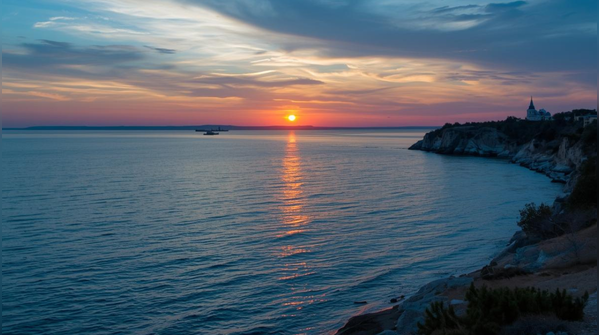
The Caspian Sea: A ‘lake’ so huge it outsizes Japan and touches five nations
At first glance, the Caspian Sea appears as an ocean stretching endlessly to the horizon, lapping the shores of five nations. Yet scientists classify it not as a sea, but as Earth's largest lake, an immense inland body spanning roughly 371,000 square kilometres, surpassing Japan in size. Straddling Europe and Asia, it borders Russia, Azerbaijan, Kazakhstan, Turkmenistan, and Iran. It is brackish (a mix of salt and fresh water). Its vast expanse, peculiar chemistry, and geopolitical significance make it one of the planet's most captivating geographical wonders. From ancient Silk Road commerce to contemporary oil pipelines, the Caspian has profoundly influenced the region's historic, economic, and ecological narrative. Despite this, its hybrid lake-sea status, lucrative caviar trade, and pivotal role in global energy politics remain little known to the world.
Credit: Canva
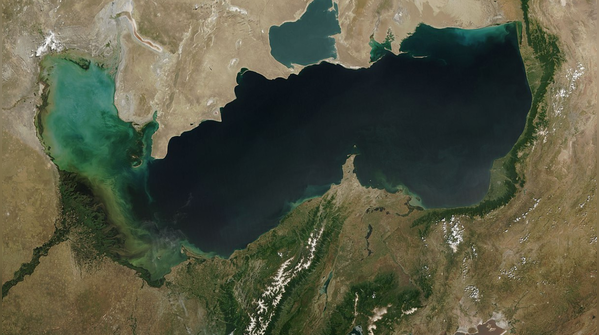
Is the Caspian Sea actually a lake
Despite its name, the Caspian Sea is often called the world's largest lake. It's not, however, a typical lake. Its waters arrive chiefly via rivers, especially the Volga, which supplies nearly 80% of the inflow; evaporation concentrates minerals, yielding a slightly salty, brackish composition, slightly less than most lakes but less than seawater. The northern basin remains shallow, while the south plunges over 1,000 metres deep.
Credit: NASA
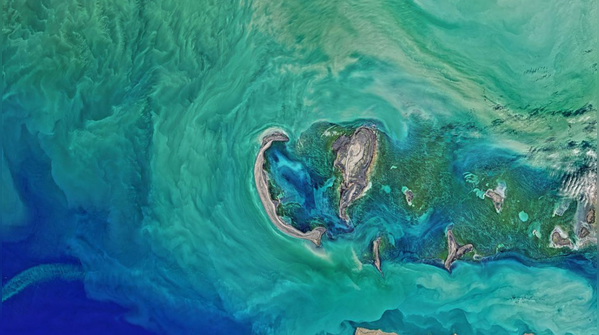
Caspian Sea: The world’s largest ‘lake’ that touches five countries
The Caspian Sea is bordered by five countries that stretch across two continents:
- Russia to the north
- Kazakhstan to the northeast
- Turkmenistan to the southeast
- Iran to the south
- Azerbaijan to the west
Spanning across 4,800 kilometres, it served as a vital Silk Road corridor. Today, it remains a key crossroads between Eastern Europe and Asia.
Credit: NASA
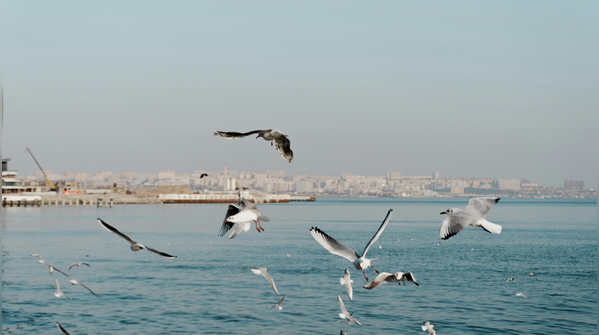
Endemic ecosystem of the sea
The Caspian Sea hosts unique species found nowhere else on Earth, most notably the Caspian seal, the only seal thriving entirely in an inland water body. The northern Volga River delta teems with migratory birds and fish, its wetlands serving as vital breeding grounds. According to Nature, scientists deem this ecosystem highly sensitive, vulnerable to water-level fluctuations, pollution, and climate shifts.
Credit: Canva
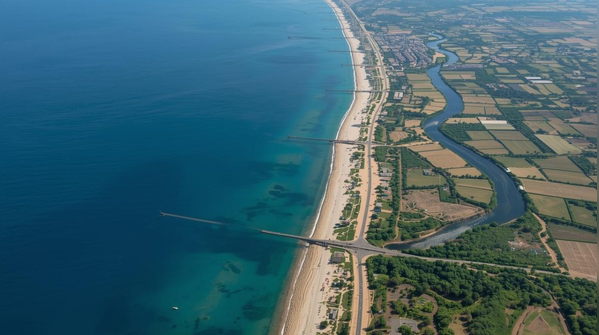
Caspian Sea’s caviar legacy
The Caspian Sea yields the world's most renowned caviar, as per Uttryck Magazine, harvested from sturgeon eggs, particularly the prized Beluga species. For centuries, fishing communities depended on these fish for their livelihood. Overfishing and habitat loss have decimated populations, prompting strict regulations and conservation measures to safeguard the species while sustaining the historic trade. Credit: Canva
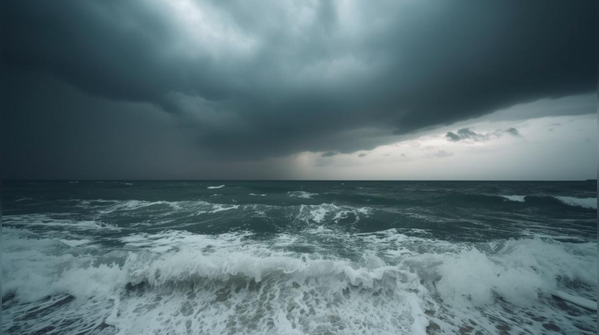
Caspian Sea’s energy sector
Beyond fisheries, the Caspian Sea harbours vast oil and natural gas reserves. Azerbaijan's western coast, centred on Baku, a pioneering oil boom town since the 19th century, drives extraction. Offshore platforms fuel surrounding nations' energy sectors, with pipelines linking to Europe, Central Asia, and global markets. This wealth underscores the Caspian's geopolitical significance, as neighbours negotiate boundaries and rights.
Credit: Canva
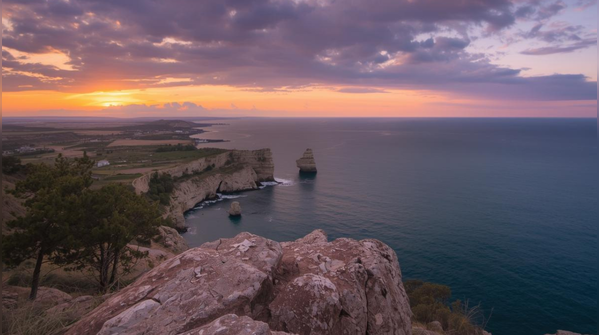
Why the Caspian Sea continues to fascinate scientists
The Caspian Sea intrigues scientists with its sea-like size and salinity, despite its lake-like geography. Water levels fluctuate markedly over decades from climate cycles and river inflows. Researchers through Nature, probe it for ancient climate patterns, evolving ecosystems, and geological history once linked to prehistoric oceans before tectonic isolation. This lake masquerading as a sea, larger than countries and shared by five nations, exemplifies Earth's geographical paradoxes.
Credit: Canva
Featured In World

