
- News
- City News
- bhopal News
- From resource deficient to people-driven water management, MP’s Dindori shows how its done
Trending
From resource deficient to people-driven water management, MP’s Dindori shows how its done
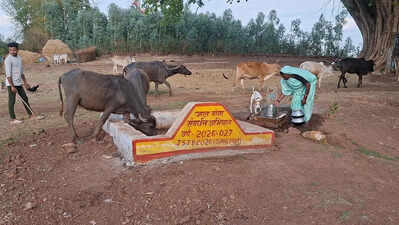
Water conservation
End of Article
Follow Us On Social Media

Hot Picks
Top Trending
Tired of too many ads?go ad free now
Trending Stories
In Bhopal
In City
- Alert Panna farmer spots rare tortoise in field, calls forest team to its rescue
- How Bhopal Begum funded Northern Europe’s first mosque
- How Bhopal Begum funded Northern Europe's first mosque
- 'Will be thrashed by 30 men': Twisha Sharma's brother claims threats, questions mother-in-law's conduct in CCTV clip
- 'You can't control me': Mother-in-law claims she found Twisha Sharma beating herself after learning about pregnancy
- Who was Twisha Sharma: Ex-Miss Pune found dead months after marriage
- Twisha Sharma terminated pregnancy after consuming large quantity of marijuana: Mother-in-law's explosive claim
- ‘Wolves in sheep’s clothing’: Family of Twisha Sharma hits back at mother-in-law, calls her ‘schizophrenic’
- 'Maa, mujhe yahan se le jao, please': Twisha Sharma’s messages to mother before death
- 'Provided Rs 50,000 regularly': Mother-in-law counters dowry allegations in Twisha Sharma death case
- Third language rule: Schools, parents fear abrupt academic shift & association may move court
- From chaos to control: How Bengaluru police managed RCB crowds this Indian Premier League season
- How Bhopal Begum funded Northern Europe's first mosque
- Many brakes on way: New QR code ticketing system slows BMTC flow
- How Bhopal Begum funded Northern Europe’s first mosque
- Vikramshila Setu collapse: Bailey bridge likely to be ready by June 5
- ‘Hands off handle, eyes on camera’: Lucknow stunt rider booked after video went viral
- Mumbai shocker: Two minor girls groped at Kurla and Dadar stations; 2 held
- 'You can't control me': Mother-in-law claims she found Twisha Sharma beating herself after learning about pregnancy
- At 94, Deve Gowda defies age and ailments to stay at heart of politics
Tired of too many ads?go ad free now



Explore Every Corner
Across The Globe
Aaron RodgersCalifornia Mosque ShootingTN SSLC Result 2026RR vs LSGIPL Playoff ScenarioRonda RouseyNFL Trade RumorsIND vs AFG ODI SquadPunjabhi Singer Yashinder KaurCBSE Class 12 Revaluation 2026Jahangir KhanIPL Playoff QualificationFifa World Cup ControversyDelhi heatwaveHBSE 10th Result 2026IPL Points TableCBSE Answer SheetMSCE Pune Scholarship ResultSaayoni GhoshIPL 2026 Playoff PredictionSBI apprentice recruitment 2026US Iran WarTampa BayNHL Trade RumorCardi BLSG vs RR IPL MatchDak PrescottNFL Trade RumorStephen CurryRyan Garcia

Hot on the Web
Inder Kaur Death NewsAmit ShahRaaj KumarHarsh ChhayaRashmika MandannaParineeti ChopraYashYuvraj SinghAanjjan SrivastavIrrfan KhanBharti SinghJanhvi KapoorSalman KhanK Rajan Death NewsParag TyagiDipika KakarGlass Shower Screens Cleaning TipsUnique Fruit TreesKaruppu Box Office CollectionKhan SirChandranaag IdentityPopular FoodAC Room Water Bucket TipsMeta LayoffsPanchayat Season 5Anti Lizard TipsHbA1cDhurandhar 2 Box Office CollectionRaja Shivaji Box Office CollectionHoroscope TodayCuba Drone ThreatFatah 3 VS BrahmosUS Powerball LotteryRajnath SinghUAE Nuclear PlantSanjeev AroraNyt ConnectionsUmar Khalid CaseLegal Document PropertyClaim Fixed Deposit After DeathGhost Of The WoodsCaptions For Instagram Posts
Trending Topics
Ajit AgarkarLSG VS RR IPL MatchMohammad RizwanSanjiv GoenkaSBI Apprentice Recruitment 2026TG PGECET 2026Riyan ParagUK school Fraud ScandalCBSE Re EvaluationIshan KishanIndia vs AfghanistanUS Iran warRishikesh Train AccidentPakistan pre partition namesBengaluru MetroCalifornia Mosque ShootingIPL Orange CapDonald TrumpIPL NewsIran bounty planningWho is Twisha SharmaSteve IrwinTom BradyRonda RouseyTang KaiFloyd Mayweathermike vrabel dianna russini controversyAryna SabalenkaAaron RaiFortnite V40 Release timeKitchen Chimney Cleaning HacksLip-Bu-TanGoogle I/O 2026Elon Musk Loses $150 BillionOpenAI LawsuitFlorida LotteryFuel Price HikeHonda City FaceliftGarena Free Fire MAX Redeem CodesPeroxide CodesGenshin Impact Codes
Popular Categories
HeadlinesSports NewsBusiness NewsIndia NewsWorld NewsInternational SportsHealthIndian TV ShowsTechnologyTravelEtimesAstrologyDeorhiAutoTechnology NewsGold Rate TodayWeather TodaySilver Price TodayDelhi Weather TodayPetrol Price TodayDiesel Price TodayCNG Price TodayLPG Price TodayPetrol Price MumbaiDelhi AQIIs Bank Open TodayMumbai AQI TodayIs Bank Open TomorrowPublic Holidays in MayBank Holidays in May
Trending Videos
NATO Enters Ukraine War? Putin Fumes After Claims Kyiv Used Latvia To Strike Russian CitiesKanpur: ITBP Soldier Carries Mother’s Severed Hand to Police HQ After Alleged Hospital NegligenceMeghan Markle Celebrates 8 Years With Harry By Releasing Private Wedding PhotosFrom Islampura Back To Krishan Nagar: Pakistan Moves To Restore Lahore's Pre-Partition NamesTrisha Krishnan rejects Rajinikanth-Kamal Haasan film over Thalapathy Vijay link? ₹12 crore buzzMouni Roy stuns at Cannes after Suraj split as Jacqueline Fernandez, Ashok Saraf shine globally Iran Claims Busting Of Starlink-Equipped Spy Ring Operating Under Journalistic CoverPreity Zinta Returns To Big Screen With ‘Vibe’ And Internet Cannot Stay Calm 'New Sunrise': Amit Shah Unveils Bastar Development Push, Slams Previous Congress GovtViral Kargil Video Salutes India’s BraveheartsSunny Hinduja on Aspirants, self-doubt and why he still seeks validation from his wifeBCCI hails CIC ruling on RTI, calls it a landmark decisionChina’s Critical Minerals Hold Over the U.S. India-Sweden Deal Could DOUBLE Trade in 5 Years!‘Goat’ car number turns into viral gift for CM Vijay from Venkat Prabhu sparks prophecy debateRussia Renews Pitch For China Gas Pipeline As Hormuz Crisis Choke Global Energy SupplyEU Leader Lashes Ursula Over ‘Stupid’ Deal With Trump; ’Double Standards…’ | WatchDelhi Court Rejects Umar Khalid’s Interim Bail Plea In 2020 Riots Case
Latest News
Hazaribag man drowns while fishing in lake"Behen Darr Gayi!": Fans relive ‘Bhagam Bhag’ era after watching Akshay Kumar's 'Bhooth Bangla' trailerMBOSE HSLC result 2026 to release tomorrow: Check details hereIran war risk: JPMorgan CEO Jamie Dimon warns of oil shocks, sticky inflation and higher interest ratesMake your clutch last longer with these easy driving tips“Three-against-one situation”: El Rubius opens up on being “targeted” in MrBeast’s viral $1M challengeBihar BTSC lab assistant notification released for 1091 posts at btsc.bihar.gov.in; apply hereIPL craze costs techie Rs 1.46 lakh in fake RCB vs CSK ticket scamRaising “robot-proof” kids: Why creativity and curiosity matter more than everInside ‘Satguru Sharan’: Exploring Saif Ali Khan and Kareena Kapoor Khan’s Rs 100 crore Bandra homeHow selling Alaska in 1867 was a costly mistake for Russia'Hera Pheri 3 is coming': Paresh Rawal dismisses delay reports and reveals he will 'start shooting soon'US-Iran War: A daring rescue Hollywood blockbuster is on its way. Till then, pick your favourite from these 10 films on bringing someone home against all oddsKolkata team unveils fan mural at Rash Behari Avenue, celebrating city’s first loveHow US spread a lie to rescue a pilot of a jet shot down in IranNetflix unveils ‘VOID’, an AI model that can change a movie plotAI data centers are causing 'stress' not just to tech companies, but also private insurers"Trans women are.....": Clavicular’s viral moment with trans women sparks fresh conversation on internet culture
Copyright © 2026 Bennett, Coleman & Co. Ltd. All rights reserved. For reprint rights: Times Syndication Service