
- News
- City News
- chennai News
- Chennai to bring back double-decker buses after 17 years with electric upgrade
Chennai to bring back double-decker buses after 17 years with electric upgrade
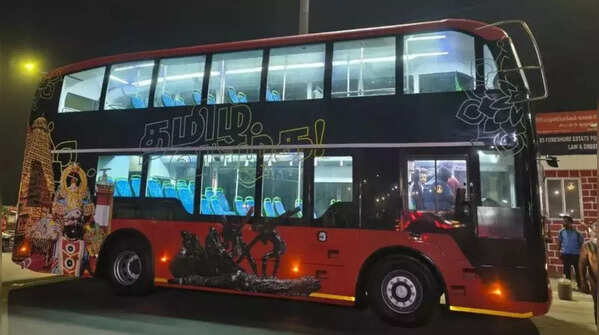
Return after 17 years
Double-decker buses are set to return to Chennai’s roads after a gap of 17 years, marking a significant revival of an iconic mode of public transport that once formed an important part of the city’s commuting history.
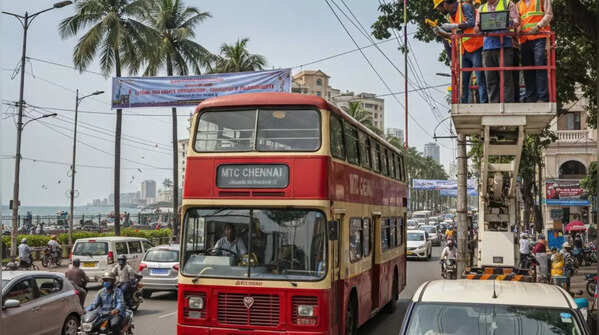
MTC’s new tender plan
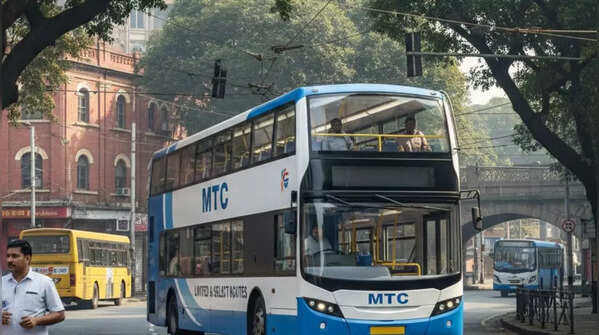
The Metropolitan Transport Corporation (MTC) has invited bids to procure 20 air-conditioned electric double-decker buses, signalling a fresh push towards modernising public transport while also supporting clean mobility initiatives. (AI Image)
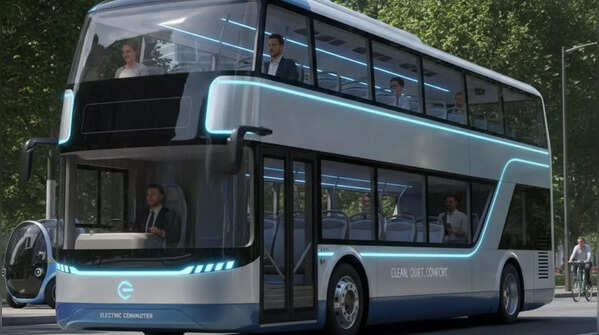
Electric and modern design
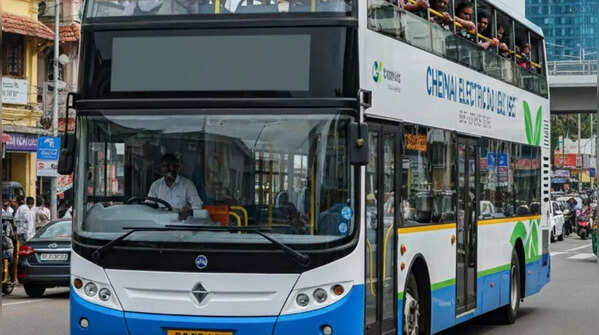
Unlike the earlier diesel-operated models, the new double-decker buses will be fully electric and air-conditioned, offering a quieter, cleaner, and more comfortable travel experience for commuters. (AI Image)
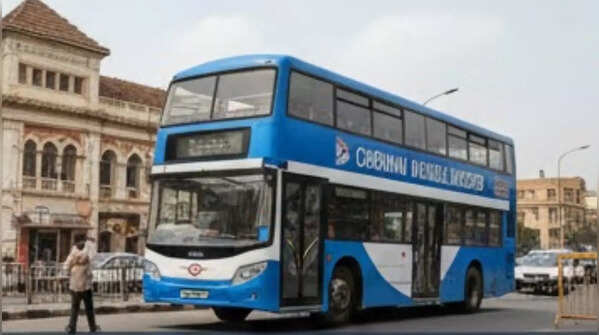
Switch mobility trial run
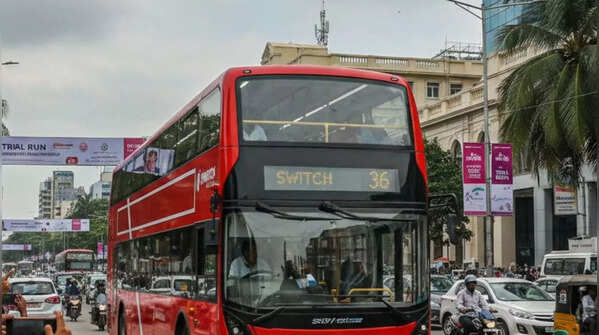
The tender announcement came shortly after a red electric double-decker bus manufactured by Switch Mobility, the electric vehicle arm of Ashok Leyland, was tested on Chennai roads, drawing widespread public attention. (AI Image)
Public peaction and nostalgia
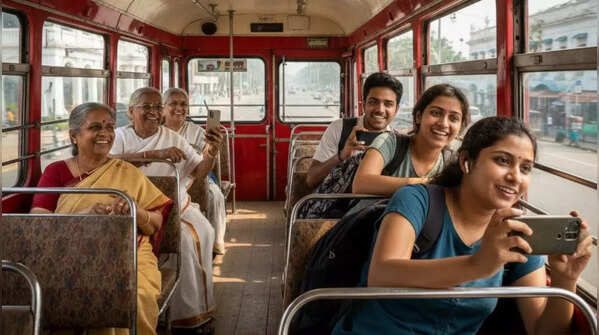
Videos of the test run went viral on social media, evoking nostalgia among older residents while also generating curiosity among younger commuters who have never experienced double-decker bus travel in the city. (AI Image)
Limited and select routes
MTC officials clarified that the buses will operate only on select routes, as not all city roads are suitable due to height restrictions and potential overhead obstructions. (AI Image)
Vertical clearance requirements
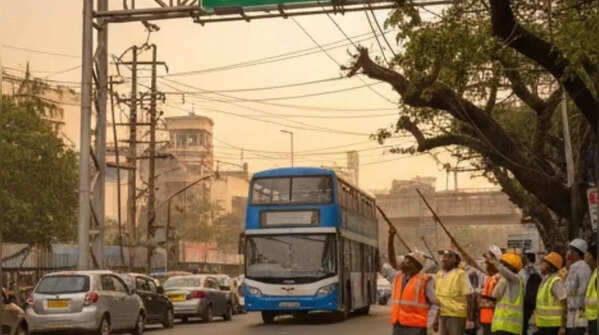
Route feasibility will depend on adequate vertical clearance, with officials stressing the need to avoid electric cables, flyovers, signage, and overhanging tree branches that could obstruct the tall vehicles. (AI Image)
Identified routes for operation
According to MTC Joint Managing Director R Sundarapandian, operations have been narrowed down to two routes—A18 from Broadway to Tambaram and M-70 from Koyambedu to Broadway—both of which earlier had double-decker services. (AI Image)
Operator’s responsibility
The selected operator will be required to conduct a detailed vertical clearance study on the chosen routes to ensure safe and uninterrupted movement of the double-decker buses. (AI Image)
Historical connection with Chennai
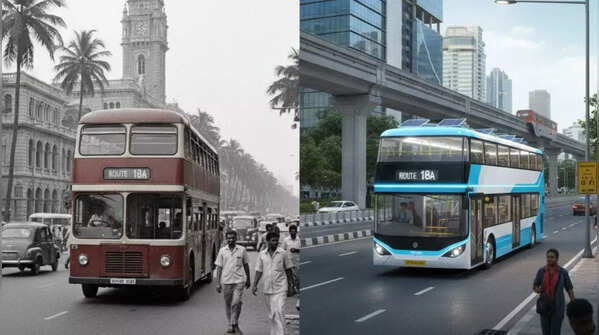
Double-decker buses were first introduced in Chennai in the 1970s and later phased out in the 1980s due to operational challenges; a brief revival in 1997 on the 18A route continued until 2008, making the upcoming launch both a modern upgrade and a symbolic return. (AI Image)
Featured In City

