
- News
- City News
- chennai News
- Legislative Privilege Explained: Advocates Debate Whether Remarks Made In The Assembly Lose Immunity Outside
Trending
Legislative Privilege Explained: Advocates Debate Whether Remarks Made In The Assembly Lose Immunity Outside
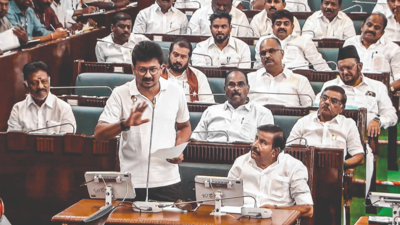
During his address as leader of opposition in the assembly on May 12, Udhayanidhi Stalin called for the “eradication” of sanaatana dharma
| CASE IN POINT In Alagapuram R Mohanraj vs TN assembly (2016), SC held that freedom of speech granted to legislators under Article 194(1) is in addition to the general freedom of speech guaranteed to citizens under Article 19(1)(a). Court also said the special protection applies only within legislature In Lokayukta vs State of MP (2014), SC held that legislative privilege must be tested on the basis of necessity for functioning of the House. SC said privilege is not a matter of personal benefit, but one that has a functional relationship with the legislature’s role in a representative democracy |
End of Article
Follow Us On Social Media

Hot Picks
Top Trending
Tired of too many ads?go ad free now
Trending Stories
In Chennai
In City
- Redback spiders quietly spread near Ennore
- Three held for cheating pawn brokerage firm agent
- GCC to restore MGR, Jafferkhanpet canals
- Velachery residents oppose eco park project along six-vent culvert
- AIADMK cadres feel TVK is the true AIADMK: Aadhav Arjuna
- Trash still burning two years on: No respite for Thiruvenchery residents
- TOI impact: TN govt orders probe into supply of cold-stored eggs for school mid-day meal programme
- AIADMK exodus continues as ex-minister Vellamandi Natarajan joins Vijay's TVK
- Fraudster posing as middleman dupes car buyer of Rs 14L on OLX; held
- Aged couple injured in cylinder blast
- Tobacco and HPV leading causes of oral cancers in India, says doctors of Head and Neck Cancer Institute of India, Mumbai
- You can fill up Census form online from Aug 1-15
- ‘Even poor patients have to buy water’: Most dispensers at LNJP out of order
- Kerala model could leave seniors out of new cabinet
- Kalwa civic hospital faces negligence allegations as Congress worker’s wife dies after being denied admission
- MahaRERA pulls up Mumbai builder again over defects, delayed conveyance
- BRD medical college suspends 18 students for ragging, fines RS 25,000 Each
- Prepaid autorickshaw service at Mumbai airport’s Terminal 2 hits a roadblock
- Cops continue dressed-down parade of TMC men
- Infosys rebuts union criticism over Australian bank staff contracts
Tired of too many ads?go ad free now



Explore Every Corner
Across The Globe
US Strike IranIran War NewsJake DennisIPL Orange CapJosh Jacobs Domestic Violence CaseVaibhav SooryavanshiJim HarbaughJaxson DartNFL Trade RumorWWE ClashZlatan IbrahimovićBrazil World Cup 2026Juan Manuel CerundoloTyson Fury DaughterBengaluru BMTC BusKarnataka CM NewsBank Holiday TodayChris GayleAssam UCC bilDonald TrumpCET ResultsAir India FlightKEA KCET Result 2026New BJP chiefsTravis KelceKavya MaranFrench Open 2026WWE legend Son ArrestJoe RoganJake DeBrusk

Hot on the Web
Priya KapurRanveer SinghEid-ul-Adha WishesBlast ReviewPooja BhattMika SinghImtiaz AliWhen is BakridKunal KohliEid Mubarak WishesBakrid WishesDrishyam 3 Box Office CollectionPooja BhattDhurandhar Television PremiereSai PallaviRakhi SawantChand Mera Dil Box Office CollectionKattalan ReviewAishwarya Rai BachchanSalman KhanKaruppu Box Office CollectionSonakshi SinhaAshoke PanditBashir BadrHoney SinghBlast ReviewAamir KhanDhurandhar 2 Box Office CollectionPati Patni Aur Woh Do Box Office CollectionHoroscope TodayMahmud Sadis BubaParveen ShaikhUS Powerball LotteryGemini AI Prompts For EidOla Compensation CaseINS KolkataNyt ConnectionsMilky Way’s Deadly CosmicJellyfish That Never DiesChina New Humanoid RobotS 400Captions For Instagram Posts
Trending Topics
RR VS SRH IPL MatchDelhi WeatherVinesh PhogatLalit ModiRanji TrophyNeymar Injury UpdateDavid RushJannik SinnerEmma Raducanu Net WorthNEET Paper LeakDSSSB Final Answer Key 2026KTET Answer Key 2026Gujarat TitansSRH IPL 2026 AutopsyVaibhav SooryavanshiT20 World Cup 2026Heatwave North IndiaUK student MurderMohammad YousufEbola bengaluruTrump warns OmanUS Iran warJPMorganDonald TrumpDonald Trump Cabinet MeetingStrait Of HormuzMohammed OdehDelhi Illegal Animal SacrificeKasauli Forest FireIPL Purple CapTata Tiago FaceliftGlassworm BotnetBill WintersJensen HuangMark CubanElon MuskHack Of The DayGoogle EmployeeGarena Free Fire MAX Redeem CodesPeroxide CodesGenshin Impact Codes
Popular Categories
HeadlinesSports NewsBusiness NewsIndia NewsWorld NewsInternational SportsHealthIndian TV ShowsTechnologyTravelEtimesAstrologyDeorhiAutoTechnology NewsGold Rate TodayWeather TodaySilver Price TodayDelhi Weather TodayPetrol Price TodayDiesel Price TodayCNG Price TodayLPG Price TodayPetrol Price MumbaiDelhi AQIIs Bank Open TodayMumbai AQI TodayIs Bank Open TomorrowPublic Holidays in MayBank Holidays in May
Trending Videos
Kimmel Calls Spencer Pratt A ‘Trump-Like Narcissist’ In Brutal Mayor Run TakedownJD Vance Faces Backlash After Usha Vance’s Viral Chopper Exit ClipTrump Ally Anna Paulina Luna Revolts Against Zelensky For Using America As Ukraine's ‘Piggy Bank’Trump’s Treasury Boss' ‘Secret Cringe Notes’ Exposed On Cam During White House Cabinet Meet'Trauma Care Part Of Right To Life': SC Orders 112 As One Unified Emergency Response NumberWhy Are Indians Facing Rising Racism In The U.S.?'For National Preparedness': NATO Nation To Attack Russia? | 'Mandatory Military Drills Begin'‘F**K TRUMP’S ICE!’: Protest In New Jersey Turns Ugly, Furious Driver Goes Berserk On Streets'Return Our Billions Or...': Trump Faces Iran's Fury Over 'Frozen Assets', Draws Red Line For TalksAfter 20 Years In Saudi Prison, Kerala Man Abdul Rahim Returns HomeSwiss Horror Unfolds As Attacker's Bloody Knife Rampage Causes Multiple Casualties At Train StationIndia Approves First Hydrogen-Powered Train For Jind-Sonipat RouteIndia's BIG AMCA Bet To Close 'Stealth Gap' With China & Pakistan, Fifth-Gen Fighter Gets New DateHow Petrol, Diesel price Hikes, BoP Situation Are Making Things Difficult For RBI, Govt & YouHow Petrol, Diesel price Hikes, BoP Situation Are Making Things Difficult For RBI, Govt & YouTilak Varma Shares Adorable Moments With Pet TriggerImran Khan Gets Candid About Fatherhood, Love And FilmsSiddaramaiah Resigns As Karnataka Chief Minister
Latest News
Hazaribag man drowns while fishing in lake"Behen Darr Gayi!": Fans relive ‘Bhagam Bhag’ era after watching Akshay Kumar's 'Bhooth Bangla' trailerMBOSE HSLC result 2026 to release tomorrow: Check details hereIran war risk: JPMorgan CEO Jamie Dimon warns of oil shocks, sticky inflation and higher interest ratesMake your clutch last longer with these easy driving tips“Three-against-one situation”: El Rubius opens up on being “targeted” in MrBeast’s viral $1M challengeBihar BTSC lab assistant notification released for 1091 posts at btsc.bihar.gov.in; apply hereIPL craze costs techie Rs 1.46 lakh in fake RCB vs CSK ticket scamRaising “robot-proof” kids: Why creativity and curiosity matter more than everInside ‘Satguru Sharan’: Exploring Saif Ali Khan and Kareena Kapoor Khan’s Rs 100 crore Bandra homeHow selling Alaska in 1867 was a costly mistake for Russia'Hera Pheri 3 is coming': Paresh Rawal dismisses delay reports and reveals he will 'start shooting soon'US-Iran War: A daring rescue Hollywood blockbuster is on its way. Till then, pick your favourite from these 10 films on bringing someone home against all oddsKolkata team unveils fan mural at Rash Behari Avenue, celebrating city’s first loveHow US spread a lie to rescue a pilot of a jet shot down in IranNetflix unveils ‘VOID’, an AI model that can change a movie plotAI data centers are causing 'stress' not just to tech companies, but also private insurers"Trans women are.....": Clavicular’s viral moment with trans women sparks fresh conversation on internet culture
Copyright © 2026 Bennett, Coleman & Co. Ltd. All rights reserved. For reprint rights: Times Syndication Service