
- News
- City News
- kochi News
- Kerala: Plastic in fish a cause for concern
Trending
This story is from November 7, 2019
Kerala: Plastic in fish a cause for concern
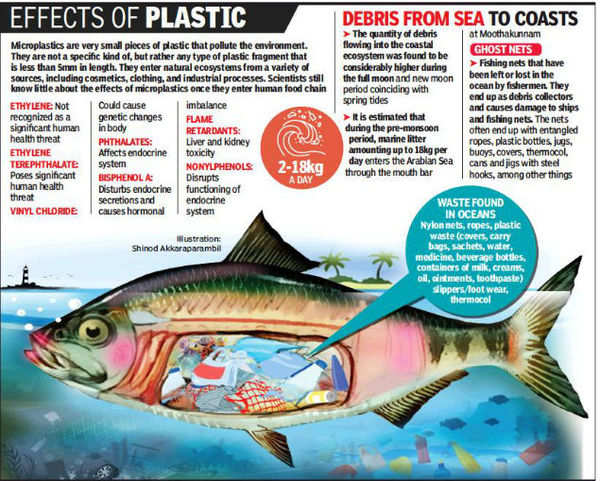
Though there is a growing awareness about the marine litter in coastal and territorial waters, the presence of microplastics in the guts of staple fishes like sardines and mackerels has become a cause for concern.
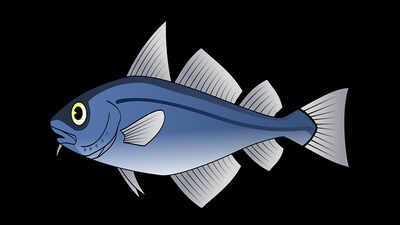
Representative image
A review paper on ‘microplastics in fish’ in the Indian Journal of Fisheries by B Madhusudana Rao, a scientist at the Central Institute of Fisheries Technology (CIFT) said that there is a paucity of documented evidence on the adverse effect of micro-plastics on human health due to consumption of such fishes.

“Protocol for the determination of quantity of microplastics in fish flesh needs to be standardized. Likewise, the quantity of microplastics that would be considered as a food hazard also needs to be fixed. There is a need to perform risk analysis to categorize microplastic as a food hazard in fish meant for human consumption,” he said.
“We have begun testing and analyzing fish meat for microplastics as their consumption could have an impact on human health. But we need to conduct more research,” said Saly N Thomas, principal scientist, CIFT and member of the group of experts on the scientific aspects of marine environmental pollution.
“It is not possible to technically verify whether any particular fish species or a single specimen died due to the plastic in their bodies. But we do know that microplastics are found in phytoplanktons and small fishes which enter the body of bigger fishes,” said V Kripa, head of fisheries environment management division, the Central Marine Fisheries Research Institute (CMFRI).
A recent study by researchers at the Kerala University of Fisheries and Ocean Studies (KUFOS) on the Vembanad Lake and the coastal belt of Kochi found the presence of heavy macroplastic litter in the bottom sediments. The sediment includes both light microplastic materials such as plastic covers, plastic carry bags, among other things, to the tune of 8.04 tonnes/sq.km and heavy macroplastic items like plastic slippers, fishing gear materials, rexine sheets etc., which account for 47.88 tonnes per sq.km area of the bottom sediment. The discrepancy in the load of light and heavy macroplastics in the sediments may be since most of the light macroplastic litters might have been transported to the sea with the tide.
According to existing literature, microplastics when ingested by fish, may translocate across the gastrointestinal tract and gills and enter the circulatory system. Through blood circulation, microplastics reach different organs and muscles. Humans consuming microplastics-laden fish meat are vulnerable to the effects of microplastics. Microplastics physically attach to the skin and gills of the fish and the consumption of fish skin and gill tissue provides another route of transmission of microplastics to humans.
Read this story in Bengali

About the Author
Sudha NambudiriEnd of Article
FOLLOW US ON SOCIAL MEDIA







Photostories
Hot Picks
TOP TRENDING
Popular Categories
Hot on the Web
Top Trends
IND vs BAN Live ScoreIsrael Hezbollah WarJasprit BumrahShan MasoodAbdullah ShafiqueIndian Team Fastest Test FiftyWTC Points TableUGC NET Result 2024GovindaWomen T20 World Cup Points TableWomen T20 World Cup ScheduleEarth Two MoonsKerala Lottery ResultAsteroid 2024 PT5DiddyTop Management Colleges of IndiaLive Cricket Score
Trending Topics
GovindaMithun ChakrabortyDeadpool and Wolverine OTT ReleaseNavratri WishesGandhi Jayanti WishesDevara CollectionGOAT OTT ReleaseGandhi Jayanti 2024Rajinikanth Health UpdateNavratri HistoryDevaraGovinda NewsDevara Movie ReviewHealthy RaitasSwatantrya Veer SavarkarColdplay India tour 2025Upcoming Smartphones In OctoberAmazon SaleBest Coffee MachinesWordle Answer
Living and entertainment
Latest News
Gunther finally accepts Sami Zayn’s challenge for the World Championship on WWE RAWCGPSC SSE Mains 2023 result declared: Check direct link hereMan orders iPhone with CoD option on Flipkart, kills delivery agentWhen Rishi Kapoor slammed Deepika Padukone and Sonam Kapoor for making immature remarks about Ranbir KapoorShark Tank India 4: Sharks begin shooting for the new season; Sahiba Bali and Ashish Solanki join as new hostsFestivals in October 2024: From Navratri, Dussehra to Diwali, check complete list hereShannon Sharpe compares Patrick Mahomes' current situation to Tom Brady's past as Chiefs adjust to roster changesIndia's factory growth cooled to eight-month low in September, PMI showsUCEED 2025 registration begins at uceed.iitb.ac.in, direct link to apply here: Check detailed admission scheduleReport: By 2035, EVs Expected to Use 6% to 8.7% of India's ElectricityKolkata hospital rape-murder: West Bengal junior doctors resume 'total cease work'Vijay's 'GOAT' gets an OTT release; official date announced!Haryana polls: Brick thrown at car in Dushyant Chautala's convoy in Jind; case filedMumbai vs Rest Of India: Irani Cup tie offers chance for hopefuls and rejects to impress selectorsCSK to connect with MS Dhoni in 'coming week', undecided on using IPL uncapped player ruleHow to use charcoal powder to whiten teethOlivia Culpo and Christian McCaffrey buy George Clooney's mansion for $14.5 millionAnil Kapoor, Aditya Roy Kapur, Sobhita Dhulipala and other team of The Night Manager turn up in style for International Emmy Award nomination celebration
Copyright © 2024 Bennett, Coleman & Co. Ltd. All rights reserved. For reprint rights: Times Syndication Service