
- News
- etimes
- animals-pets
- 5 animals that are faster than a cheetah
5 animals that are faster than a cheetah
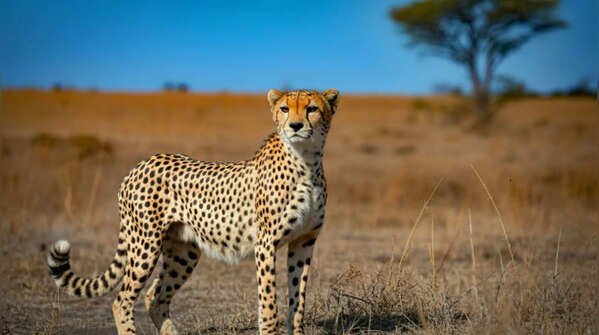
Animals that are faster than a cheetah
When someone says “fastest animal,” the cheetah is usually the first name that comes to mind. And rightly so – it can sprint at around 93–120 km/h, and watching it explode across open land is still one of nature’s most striking sights.
But that title comes with a catch. It only applies to land. The moment you shift focus to the sky or the ocean, the idea of “fastest” starts to look very different – and the cheetah is no longer the only name in the conversation.
Images: Canva (for representative purposes only)
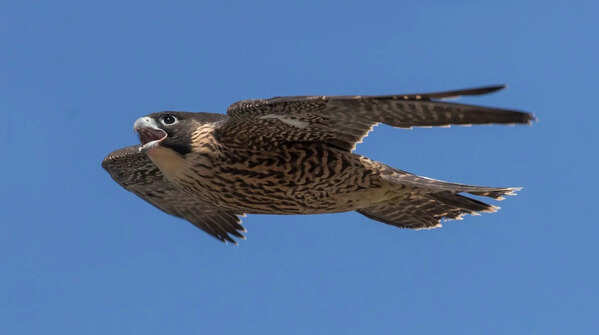
Peregrine falcon
This bird doesn’t just fly – it dives!
During its hunting dive, the peregrine falcon turns into a literal bullet in the air, reaching speeds of over 300 km/h. That’s way beyond anything a cheetah can manage on land.
It’s not just the speed that’s wild; it’s the control. It can spot prey from high up and lock onto it mid-dive like it’s on autopilot.
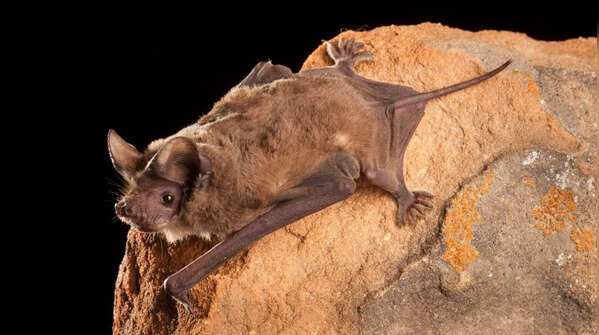
Mexican free-tailed bat
Bats don’t usually come up in speed conversations, but this one really should.
The Mexican free-tailed bat can fly at speeds of around 160 km/h in open air. It spends its nights covering huge distances, almost like it’s built for constant motion rather than rest.
Image- X/@giveashitnature
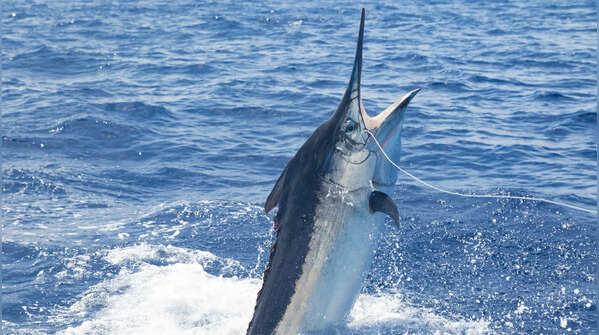
Black marlin
The black marlin is one of those ocean creatures that looks like it was designed purely for speed.
It can burst up to around 130 km/h, especially when chasing prey or escaping danger. What makes it even more impressive is how powerful it is at that speed – it’s not just rushing; it’s controlling a full-body charge through water.
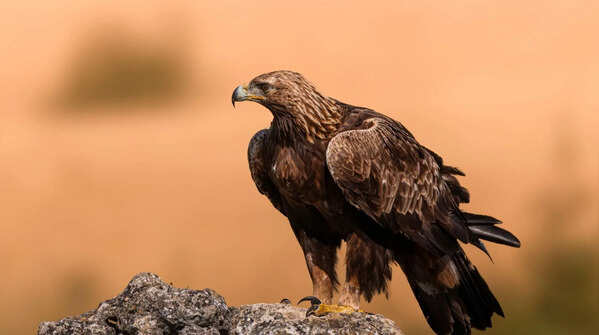
Golden eagle
The golden eagle is not just fast; it’s powerful in a way most birds aren’t.
In a hunting dive, it can reach speeds close to 240 km/h. And unlike smaller birds, it uses that momentum to strike with force.
It’s the kind of speed that doesn’t just help it move – it helps it hunt with impact.
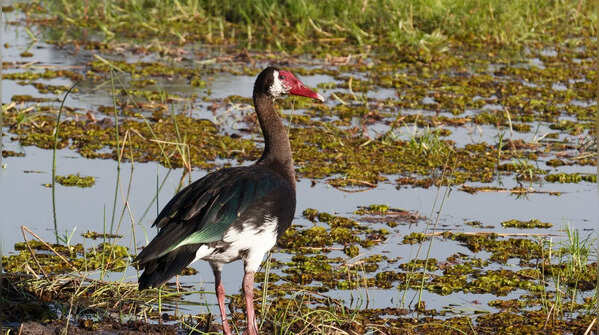
Spur-winged goose
A goose doesn’t usually sound like a speedy animal, but the spur-winged goose changes that idea completely.
This large bird can fly at speeds of around 140 km/h, making it one of the fastest flying birds in sustained flight. Despite its heavy build, it moves through the air with surprising power and efficiency.
Disclaimer: This article is for general informational purposes only. Speeds mentioned are based on widely reported estimates and may vary across sources and conditions.
Featured In etimes

