
- News
- etimes
- animals-pets
- 7 animals barnacles stick to and slow them down
7 animals barnacles stick to and slow them down
7 animals barnacles stick to and slow them down
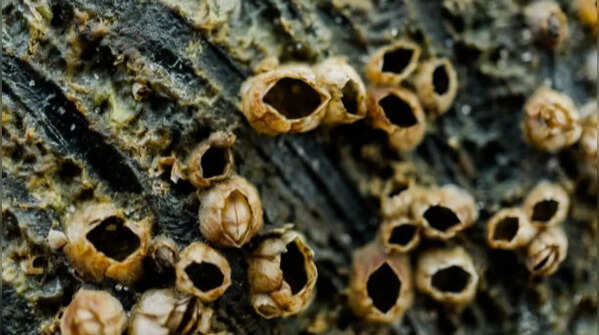
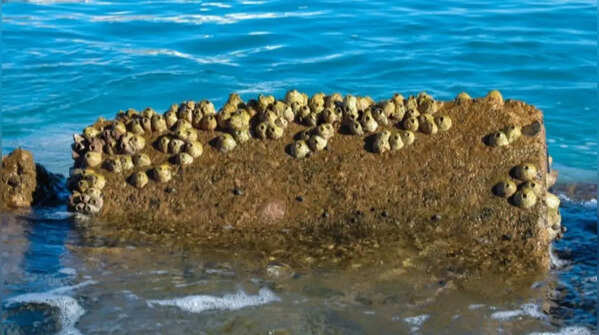
As innocuous-looking marine creatures, barnacles are capable of turning into a real nuisance for various types of sea life. Upon attaching to the body of an animal and growing there permanently, they can affect its movement, performance rates, and even feeding behavior, according to marine biologists. These marine crustaceans exist thanks to the ability to attach themselves to moving surfaces in oceans, including stones, ships, and other marine organisms. While not all types of barnacles inflict considerable damage to their host bodies, severe infestation may result in additional drag for marine creatures and higher energy expenditures. Here are seven fascinating marine creatures with permanent barnacle settlements on their bodies during their movements through ocean expanses.
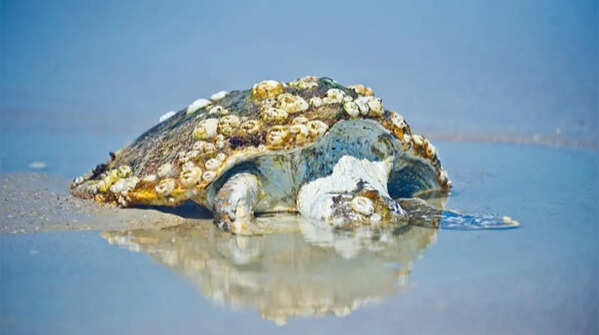
Sea turtles often carries heavy barnacle settlement
Sea turtles can be considered typical marine animals with numerous barnacles attached to their shells and skin. Thanks to slow movements and relatively warm ocean waters, barnacles find plenty of areas where they can attach and grow without causing any difficulties at first. Nonetheless, when their number becomes excessive, extra drag for the turtle may develop. Occasionally, specialists in wildlife rescue services remove excessive barnacles from the turtles to help them get rid of additional burdens.
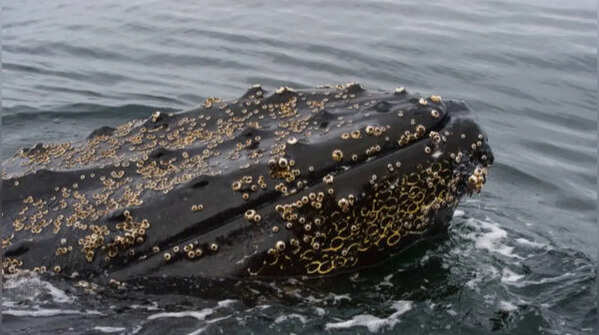
Humpback whales host entire barnacle communities
One of the largest marine animals, the humpback whale, also attracts barnacles to grow on its body in huge clusters. Some specialized types of barnacles can attach to the body of a whale without causing any damage since they do not penetrate deep into the skin of their host creatures. Nonetheless, additional weight and extra drag for whales may increase the expenditure of their energy during their migration period.
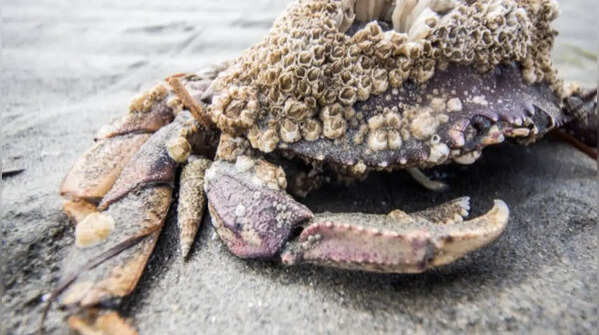
Crab often suffers from permanent barnacles
Some types of crabs may suffer from the growth of barnacles on their body surface. While the effect from small amounts is not dangerous, excessive development of these crustaceans reduces the mobility of the crab somewhat. As they need high mobility to feed and escape threats, additional drag can pose some inconveniences to them. Scientists consider barnacles on crabs as an interesting phenomenon reflecting competition for space in oceans.
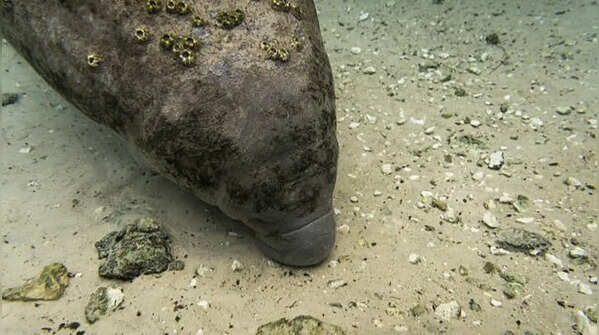
Manatee sometimes develops barnacle growth
Another type of marine mammal, manatees, also attracts barnacles because of their unique skin characteristics and habitat. Spending most of the time in shallow waters near coasts, manatees allow themselves to become home to these crustaceans that often form clusters on their skin. In case of excessive infestation, scientists monitor manatees to observe possible impacts of such marine organisms on their skin and behavior in oceans.
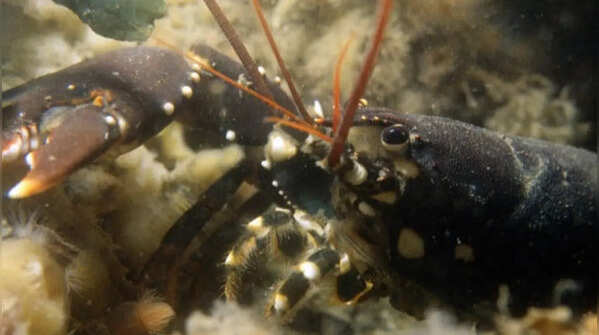
Lobster may get covered in marine crustaceans
Lobsters living in rocky marine regions with frequent movements may have barnacle growth on their shells due to the availability of necessary conditions. As these animals undergo the process of moulting, they lose their protective coverings, which can include barnacle communities as well. Nevertheless, lobsters suffering from slower growth or age may temporarily retain some barnacle settlements.
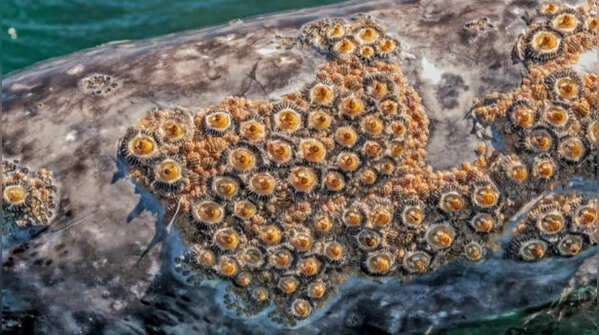
Dolphin gets rare barnacle formations
Dolphins can hardly ever have excessive barnacles covering their skin due to fast swimming, but occasional barnacle growth may indicate health problems with them. Specialists consider these crustaceans as an indicator of dolphin vulnerability or weakened condition, as these creatures are highly mobile and cannot sustain additional drag. Such a condition might negatively affect their hunting efficiency in the ocean environment.
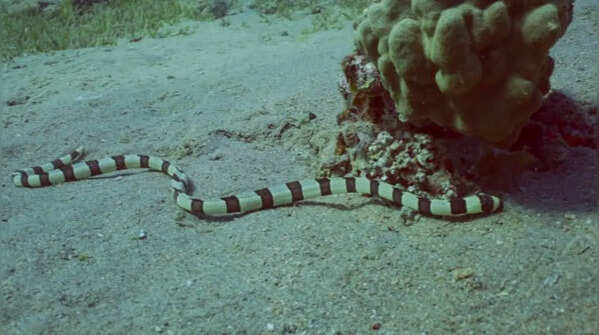
Sea snakes can have barnacles when traveling
Like some other reptiles, sea snakes sometimes develop barnacle growth during their journeys through tropical waters. To frequent stay in oceans, they also become homes to marine crustaceans that can reduce their efficiency in swimming and movement. Scientists consider the observation of barnacle development on sea snakes' bodies as one of the methods to monitor interactions between parasitic and free organisms in oceans.
Disclaimer:
This article is for informational and wildlife awareness purposes only. Barnacle impact on marine animals may vary by species and habitat. Avoid disturbing marine wildlife and contact trained rescue professionals or wildlife authorities for injured or stranded animals.
Featured In etimes

