
Are zircon and American diamond the same?
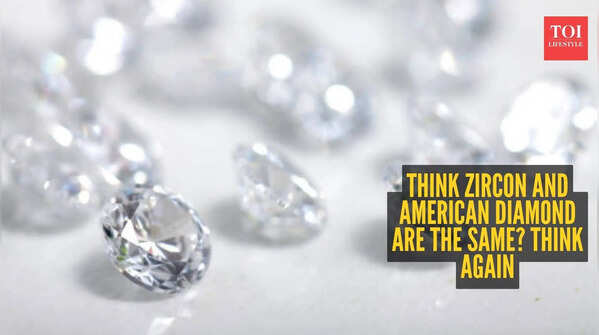
Not the same at all: The surprising difference between Zircon and American diamond
Zircon vs American Diamond: Why Your Favourite Sparkly Stones Are Actually Total Strangers
Picture this. You’re browsing through a local jewellery market or scrolling your favourite accessory store online, and you spot a ring that catches the light perfectly. The seller tells you it’s a beautiful zircon. Or wait—did they say American diamond?
For decades, shoppers (and even casual jewellers) have tossed these two terms around like they mean the exact same thing. Spoiler alert: they absolutely do not.Picture this. You’re browsing through a local jewellery market or scrolling your favourite accessory store online, and you spot a ring that catches the light perfectly. The seller tells you it’s a beautiful zircon. Or wait - did they say American diamond?
For decades, shoppers (and even casual jewellers) have tossed these two terms around like they mean the exact same thing. Spoiler alert: they absolutely do not.
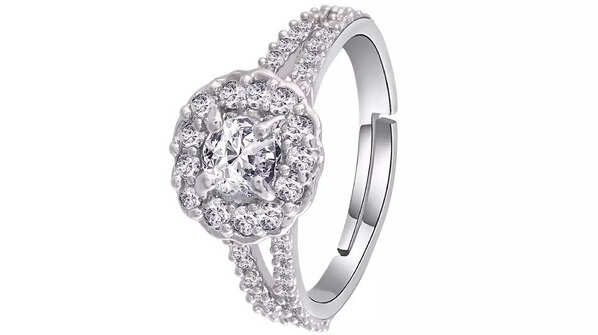
They are different!
While both stones are famous for stepping in as wallet-friendly body doubles for real diamonds, their similarities pretty much end there. They come from completely different origins, have entirely different chemical makeups, and behave differently when you wear them.
If you want to know what you’re actually spending your hard-earned money on, it’s time to clear things up.
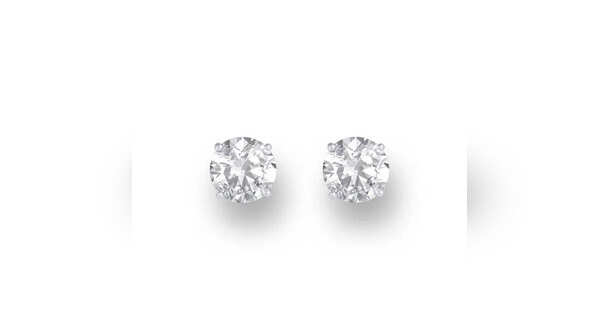
The earth’s ancient secret: Zircon
If zircon had a résumé, it would be seriously impressive. This is a natural gemstone, mined straight from the earth. In fact, zircon crystals are among the oldest minerals on the planet - some dating back over four billion years. Let that sink in.
Chemically known as zirconium silicate, zircon has a stunning visual quality. It has a high refractive index, which basically means it catches light beautifully and gives off that diamond-like sparkle.
One of its coolest features? Double refraction.
When light enters the stone, it splits into two rays. If you look closely, the back facets of a zircon can actually appear doubled - something you won’t see in diamonds or most other stones.
While the colourless version is often used as a diamond alternative, zircon also comes in earthy tones like yellow, brown, and red. With heat treatment, it can even turn into a striking blue.
That said, it’s not the toughest stone out there. With a Mohs hardness of 6.5 to 7.5, it’s fairly durable but slightly brittle. One wrong knock, and it could chip.
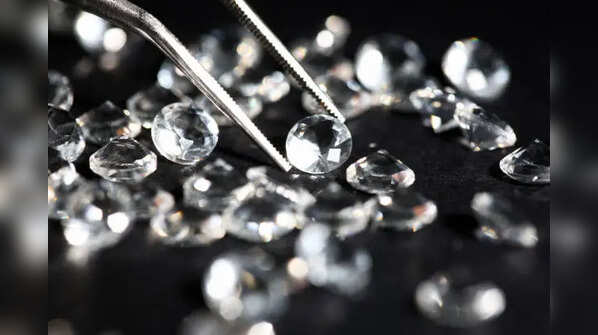
The flawless lab Creation: American diamond
Now, let’s switch sides.
In India, when someone says “American diamond,” they’re usually talking about cubic zirconia (CZ)—a lab-made stone that’s designed to look like a diamond.
Unlike zircon, this one has zero connection to nature. It’s created in controlled laboratory conditions using zirconium dioxide. Because scientists control the process, the result is almost always perfectly flawless - no inclusions, no imperfections.
It also behaves differently with light. American diamonds have single refraction, which gives them a sharp, clean sparkle. They’re also known for their intense “fire” - those rainbow flashes you see when light hits the stone.
In fact, sometimes they sparkle a little too much—more than a real diamond would.
But here’s where they really win: durability. With a Mohs hardness of 8 to 8.5, cubic zirconia is tougher than zircon and holds up well for everyday wear. Add to that its affordability - thanks to mass production - and you can see why it dominates artificial jewellery.
Featured In lifestyle

MORE FROM ETIMES
life & style