
5 vegetarian foods packed with more protein than meat
Importance of protein
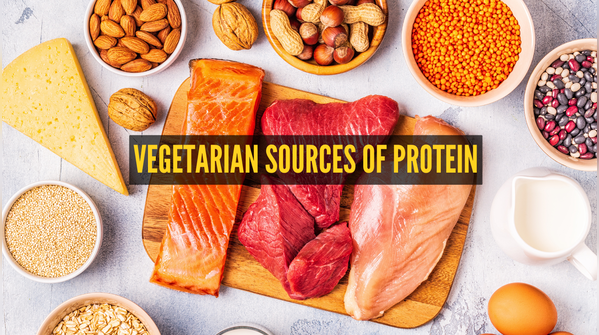
Protein is the essential macronutrient that helps build your bones and muscles. It also helps repair your tissue damage and supports the normal secretion of enzymes and hormones. Protein also supports immune function and helps regulate hormones and enzymes. According to a study titled Protein quality, nutrition and health,dietary proteins are macronutrients providing nitrogen, amino acids (AAs), and energy. In living organisms, nitrogen is mostly associated with AAs and AAs are mostly in the form of proteins. And when it comes to rich sources of protein, meat (chicken and mutton) is often referred to as the best source, offering 25–27 grams of protein, per 100 gms. However, there are some equally rich vegetarian sources of protein that can be included in your daily diet. Scroll down to read about them.

Soybeans
Protein: 36 g protein per 100 gms
These are one of the highest-protein plant foods in the world. They are also rich in fibre, iron, calcium, and essential amino acids.
How to consume: Boil them to make curry or salad, or pan-fry them for a healthy breakfast delight.
Pumpkin Seeds
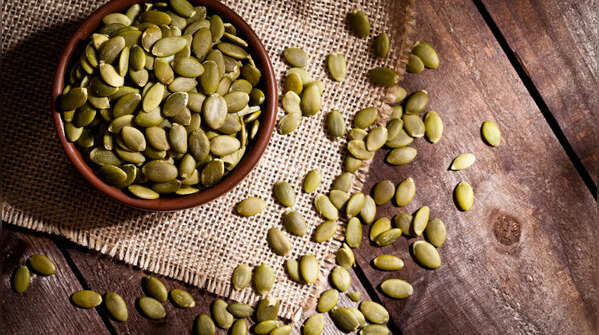
Protein: 30 g protein per 100 g
These crunchy seeds are highly nutrient-dense and are also packed with magnesium, zinc, and healthy fats.
How to consume: They make best for toppings for salads, smoothies, or one can simply eat them as roasted snack
Peanut
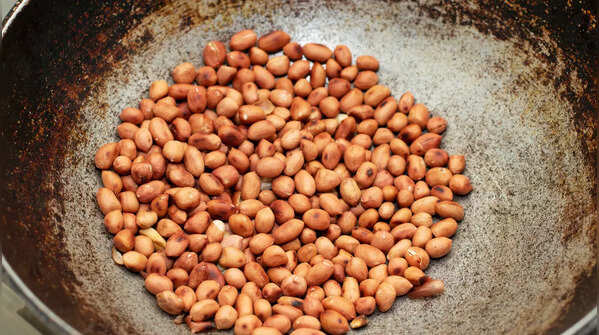
Protein: 26 g protein per 100 gms
Also known as groundnuts, they are rich in fats and antioxidants.
How to consune: They can be blended into shake or smoothie or one can use them to make chutney or dip

Tempeh
Protein: 19-21 g protein per 100 gms
Tempeh is a fermented soybean product which is also rich in probiotics, and minerals
How to consume: They are best consumed in stir-fries, sandwiches, and salads.

Almonds
Protein: 21 g protein per 100 gmsThese nuts are not just rich in protein, but also contain vitamin E, fibre, and healthy fats.
How to consume: They can be added to smoothies and desserts or used as flour in flour-based recipes.
Featured In Food

