
Chefs share 5 tips which can make any boring meal super tasty
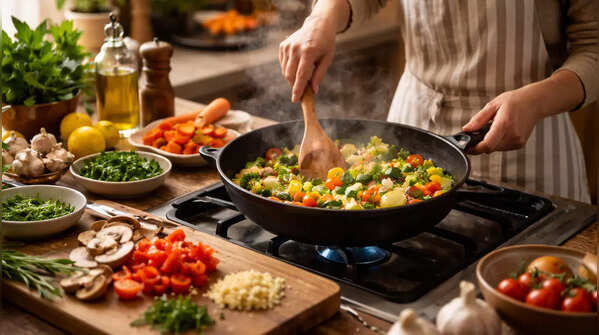
How to make any boring meal super tasty
Great food hinges on thoughtful techniques, not expensive ingredients. There is nothing called a boring meal if one knows the right technique to elevate its taste profile. Here is a list of expert tips on how to make any meal tasty.
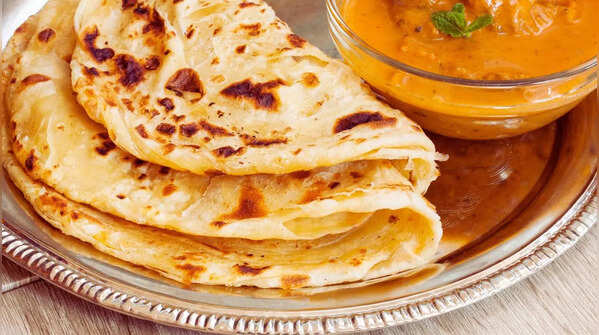
Focusing on smaller elements
The quality of great food is not driven by the monetary value of its ingredients (expensive) or how hard or complicated the recipe is. Great food begins with knowing the smaller elements. Knowing how to select various components specific to the dish you are making will help you to build your plate through how those selections affect the way they look, taste, and the experience/emotions they evoke when served to your customers. There are a few items that any chef can cook and learn through a few basic techniques that many experienced chefs use regularly to refine what the dishes look and taste like.
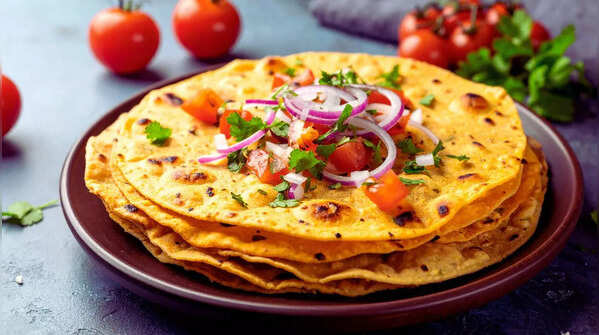
Layering your seasonings
One of the first rules of seasoning your food is you should never size your seasonings in the order you are going to add them. Take your time to add the salt/spice to each ingredient to ensure it absorbs the seasoning naturally. If you season in this manner, you will end up with a complex depth of flavour throughout and not just a heavily salted or spiced dish on top of the other ingredients. "When you layer your seasonings, you allow each ingredient to properly absorb the flavour at the speed/ability it can handle it. The end result should be that when a person tastes your dish, they do not experience heavy saltiness, heavy spiciness, etc. coming from the dish; they should feel and taste the overall harmony of every aspect of the dish's flavour. This layering is a very important habit for any cook to develop." says Chef Amarjeet Singh Thakur, Chef De Partie CDP- BBQ, SAFAR by Karimi in Cupertino, California
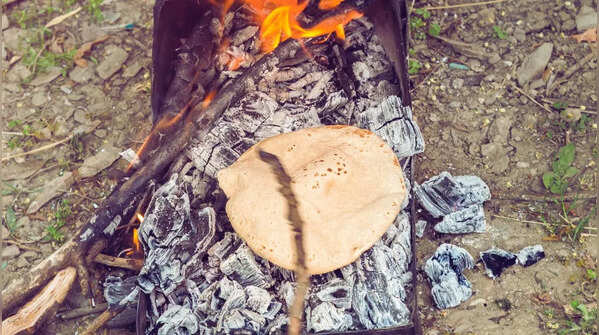
Respect time and heat
To achieve the best flavour in food, cooking needs to be respected and not rushed. The heat used when cooking should be properly controlled over time to allow for caramelisation of the ingredients and to help the ingredients release their aromas and develop their individual character. According to Chef and F&B Consultant Amit Puri, “Patience is key to creating the best flavours in your food. When you cook your ingredients properly at the right heat, the ingredients will release their natural sugars, oils, and aromas. When cooking with high heat and at a fast pace, while it may appear to be an efficient way to cook, it actually flattens the dish. Respecting the heat helps spices to bloom, onions to caramelise, and sauces to develop deeper flavours; it also creates the 'soul' in the food."
Using texture
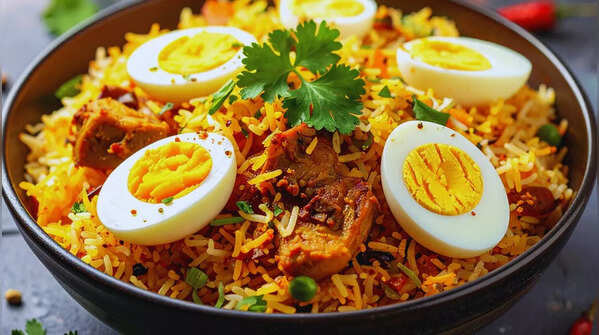
Taste alone does not create a memorable flavour of food. Creating different textures creates a level of excitement for the person who is eating your food. The various contrasts in texture are the reasons your food keeps the people who are eating it coming back for more. Contrast provides interest. "Texture is what makes eating a memorable experience. When food is served with contrasting textures, such as crispy and soft, the flavours move rhythmically on the palate. Even a simple curry or salad can be elevated from the use of contrast, such as silkiness versus crunchiness or lightness. People often do not think about texture, but they will be drawn to it when they take their next bite." says Chef Sumanta Nandi, Head chef, SAFAR by Karimi in Cupertino California.
Allow the dish to sit after cooking
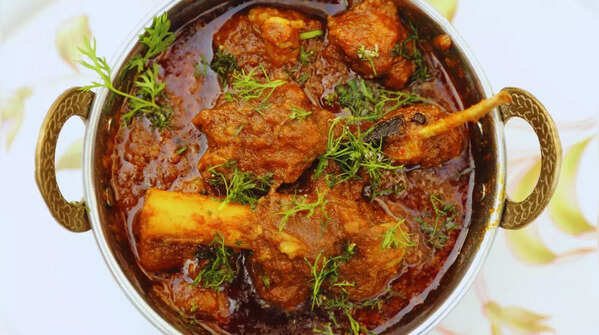
Just because food is cooked and plated does not mean it will be the best it can be. The time food spends on the kitchen table will give the juices and flavours time to spread out evenly. Chef Siddharth Parab, Executive chef Erthya Cupertino states, "As the food rests after preparation, it becomes much more cohesive. For example, if you make a meat protein, rice, or sauce, letting it sit after cooking will help the flavours blend together naturally, making the dish taste complete. If you do not allow the food to rest after preparation, it will feel rushed and incomplete."
Use freshly ground masalas
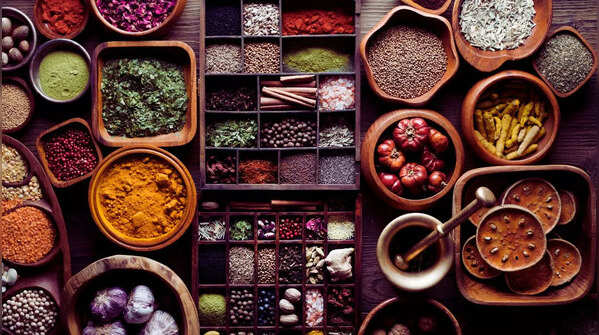
The biggest upgrade for any meal is using freshly ground masalas made specifically for the dish. A freshly pounded masala adds brightness, aroma and authenticity that packaged blends cannot match. Fresh spices ‘wake up’ the dish, giving it a distinct regional character.” says Chef Sudhir M. Pai, the Culinary Head at TAT - a modern Indian restaurant in Vikhroli known for bold flavours and a fresh take on regional cuisine.
To achieve a higher level of cooking experience, one doesn't need advanced methods or high-priced ingredients. What one needs is thoughtful intention in order to accomplish this transformation. The following guideline conveys how to elevate every day cooking through thoughtful cooking, using informative guidelines from professional chefs on developing your skills. When you put forth the effort to implement these basic guidelines, you will enhance the flavor of your recipes, build better-tasting textures, create a more balanced meal and provide for a memorable dining experience.
Lead Image: AI Generated , rest all images from CANVA
Featured In Food

MORE FROM ETIMES
life & style