
- News
- Health News
- Puffy eyes that won’t go away? Why it could signal kidney trouble, and when to get tested
Puffy eyes that won’t go away? Why it could signal kidney trouble, and when to get tested

When eye puffiness signals more and sleep isn’t the answer
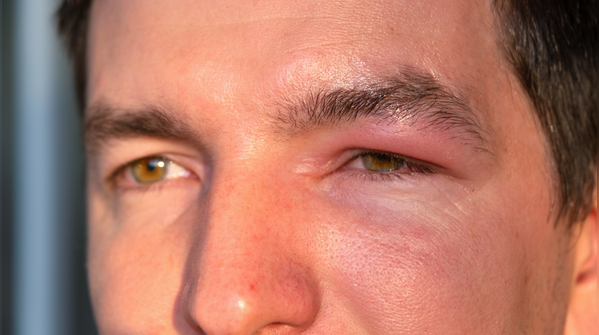
A good night’s sleep is often seen as the cure for tired, puffy eyes. But, there are mornings when the swelling refuses to go away, no matter how well-rested one feels. That quiet persistence can be easy to brush aside. But in some cases, the body may be trying to say something deeper, something that has little to do with fatigue and more to do with internal balance.
Doctors point out that the area under the eyes is delicate and often the first to show subtle shifts in the body. When puffiness lingers day after day, it may be worth looking beyond skincare and sleep routines.
Why the eyes show it first
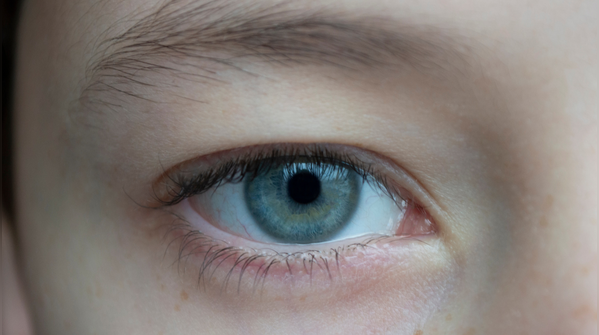
The skin under the eyes is thin and loosely structured. It tends to collect fluid easily, especially overnight when the body is lying flat. This is why mild swelling in the morning is common and often harmless.
But when this swelling becomes regular and noticeable, it may reflect fluid retention happening elsewhere in the body. The eyes, in a way, act like an early mirror. They show what the rest of the body might still be hiding.
Getting breathless after a short walk? Why more young adults are facing this silent warning sign
Why drinking water first thing in the morning may not be helping you (and what works better)
The kidney connection that often goes unnoticed
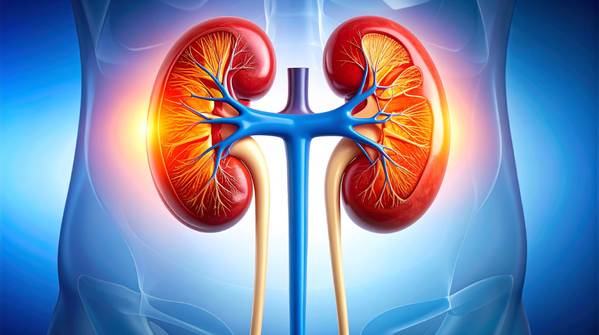
Dr Mohammed Fahad Khan, Consultant - Nephrology & Transplant Physician, Old Airport Road, explains it, “Swelling under the eyes, especially in the morning, is something many people notice. Often, it's harmless, which could be caused by lack of sleep, allergies, or excess salt intake. But if this puffiness persists despite good sleep, it could be an early warning sign of kidney disease.
It's important to note that the kidneys play a crucial role in removing excess fluid and maintaining protein balance of the body. When the kidneys are not functioning properly, the body may start retaining fluid. At the same time, loss of protein in the urine, what we call proteinuria, reduces the oncotic pressure in the blood vessels leading to fluid leakage into the tissues. One of the most common sites is under the eyes, what we call periorbital edema.”
In simple terms, when kidneys struggle, fluid and proteins don’t stay where they should. The result shows up as swelling, often first under the eyes.

Red flags that should not be brushed aside
Not all puffiness signals a serious problem. But certain patterns raise concern. Watch for these signs that may appear alongside under-eye swelling:
Puffiness that is more prominent in the morning
Frothy or foamy urine, which may indicate protein loss
Reduced urine output over time
Swelling in the feet, ankles, or legs
Persistent, unexplained fatigue
High blood pressure readings
These symptoms together can point toward kidney stress. Ignoring them often delays diagnosis, and with kidney health, time matters.
What research and public health data suggest
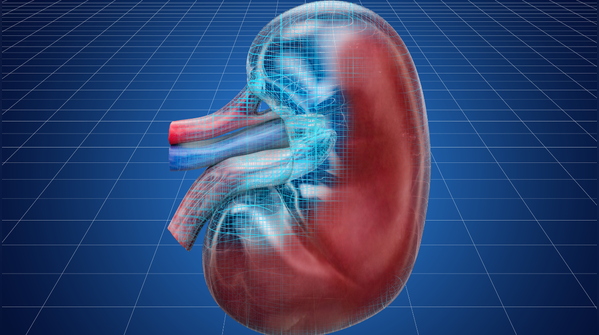
Chronic kidney disease is more common than many assume. According to findings supported by the Indian Council of Medical Research, a significant portion of adults may have early-stage kidney issues without obvious symptoms.
Another detailed overview from National Institute of Diabetes and Digestive and Kidney Diseases highlights how protein leakage and fluid retention are key early markers.
These sources underline a simple point: early detection changes outcomes. Many kidney conditions can be slowed or managed if caught in time.

What should be done if the swelling stays
Persistent swelling is not a diagnosis, but it is a signal. Acting early is straightforward and does not require complex steps.
A basic urine test can detect protein loss
A kidney function blood test can assess filtration levels
Monitoring blood pressure adds another layer of clarity
Dr Khan sums it up with a practical note, “So, the key message is: don't ignore persistent swelling. Do a simple urine test and kidney function test, which can help detect these problems early. Early diagnosis can significantly slow progression and improve outcomes. If the puffiness under your eyes doesn't go away, it's worth getting your kidneys checked.”
It is often said, “The body whispers before it shouts.” These small signs are those whispers.
Medical experts consulted
This article includes expert inputs shared with TOI Health by:
Dr Mohammed Fahad Khan, Consultant - Nephrology & Transplant Physician, Old Airport Road.
Inputs were used to explain why persistent swelling under the eyes, even after adequate sleep, could signal underlying kidney disease and why recognising the warning signs early is important.
Featured In Health

