
How to stop rice flour roti from cracking: 5 proven home tips to make soft and puffed roti
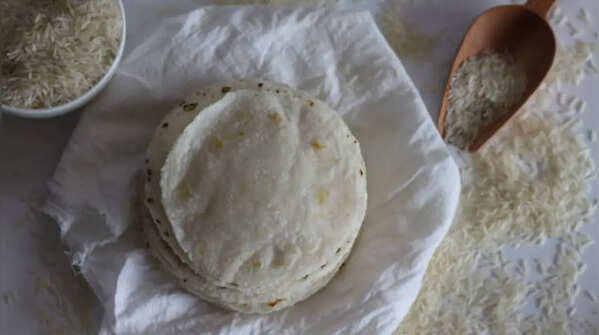
Tips to make soft and puffed rice flour roti at home
The combination of thinly rolled rice flour with a dollop of ghee and rasedaar aloo is sabzi is very comforting. But when it comes to kneading the dough and rolling rotis, many people struggle with a common problem—it cracks while rolling or turns dry and hard. It is important to understand that rice flour has no gluten in it, and hence the dough lacks elasticity and makes it tricky to handle. However, with the right techniques, you can easily make soft, pliable, and even puffed rice rotis at home. Take a look at these proven home tips and try them at home.
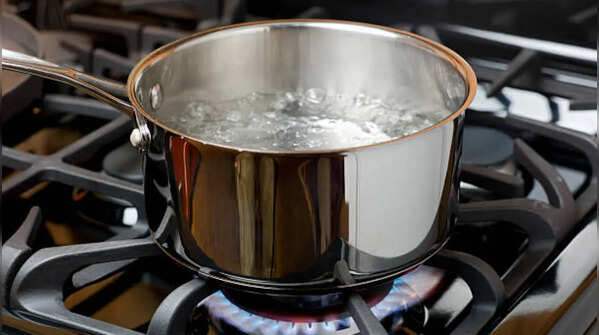
Use hot water for kneading
When it comes to wheat flour roti, the dough is kneaded with room temperature water. But, for rice roti, you need to use hot or boiling water while kneading. Unlike wheat flour, rice flour needs heat to gelatinize its starch and bind properly. The trick is to add hot water slowly to the flour and use a spoon or spatula to bring the dough together. Once it cools slightly, knead into a smooth and soft dough. This step helps make the dough elastic enough to roll without breaking.
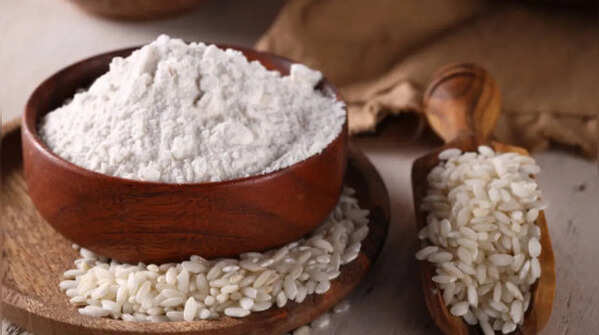
Knead the dough while it is still warm
Rice flour dough needs extra care and attention. So, it needs to be bind while it is still warm. If it cools down completely, it becomes dry and crumbly, making rolling difficult. And in case if turns cold, sprinkle a few drops of hot water and knead again.

Use a binding agent
While the dough can be made just with hot water and rice flour, adding a binding agent makes the task easier. To improve the flexibility of the dough, add a small amount of ghee or oil, mashed potato, or boiled rice. Add any of these helps retain moisture and give the dough a smoother texture, reducing cracks while rolling.
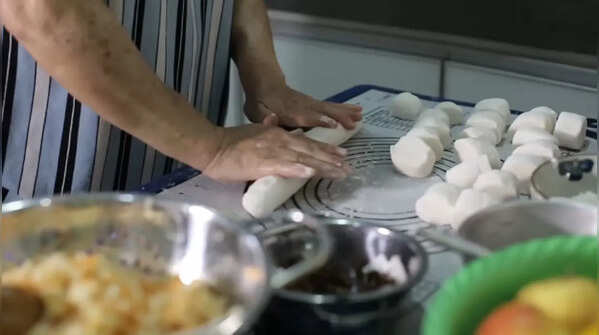
Roll using wet hands or parchment paper
Rice flour dough is special, so while rolling the roti too, it needs extra care. Instead of rolling directly with a dry rolling pin, lightly wet your hands or use a parchment paper. Place the dough ball between two sheets of paper and gently press instead of rolling hard. This helps prevent the tearing of dough and roti.

Cook on high heat
When it comes to pudding the rice flour roti, the trick is to cook it on high heat. Once the roti is cooked evenly from both sides, expose it to high teat to quickly puff. You can also lightly press with a cloth or spatula to encourage puffing.
Images Courtesy: istock
Featured In Food

