
Trending
Maha Shivratri 2026: Dos and don'ts, fasting rules, what to eat, and foods to avoid on this festival
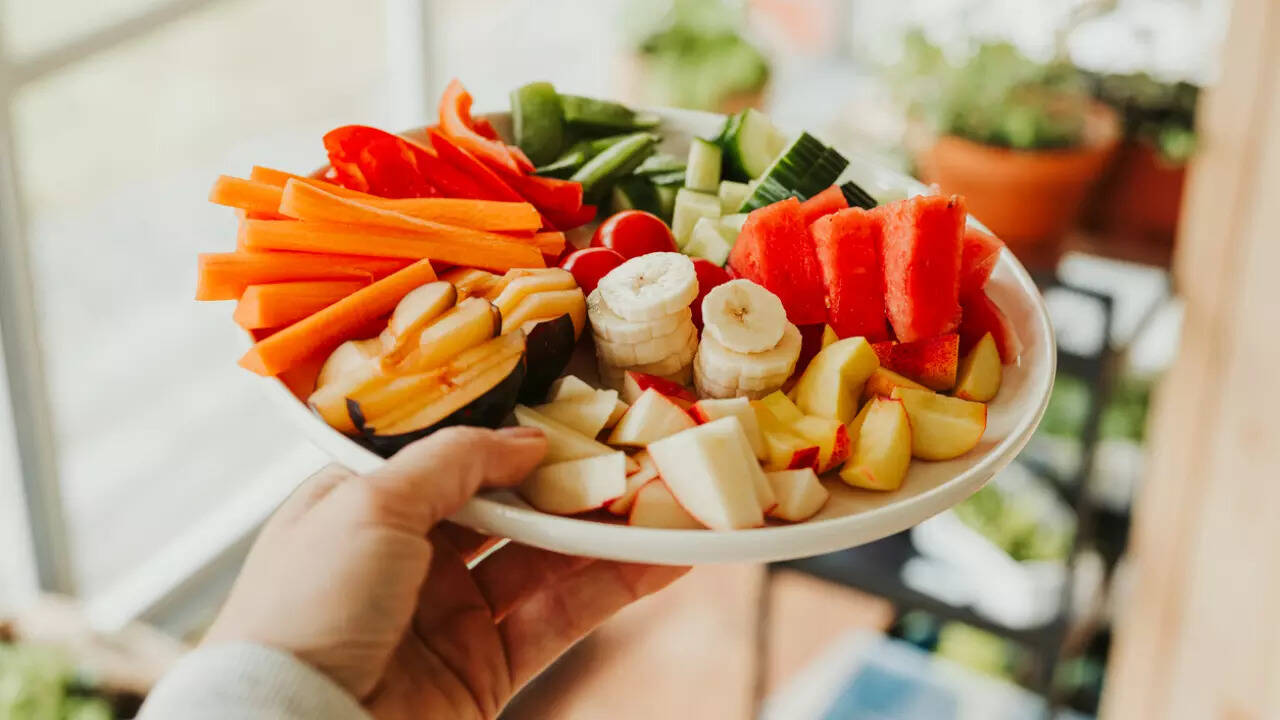
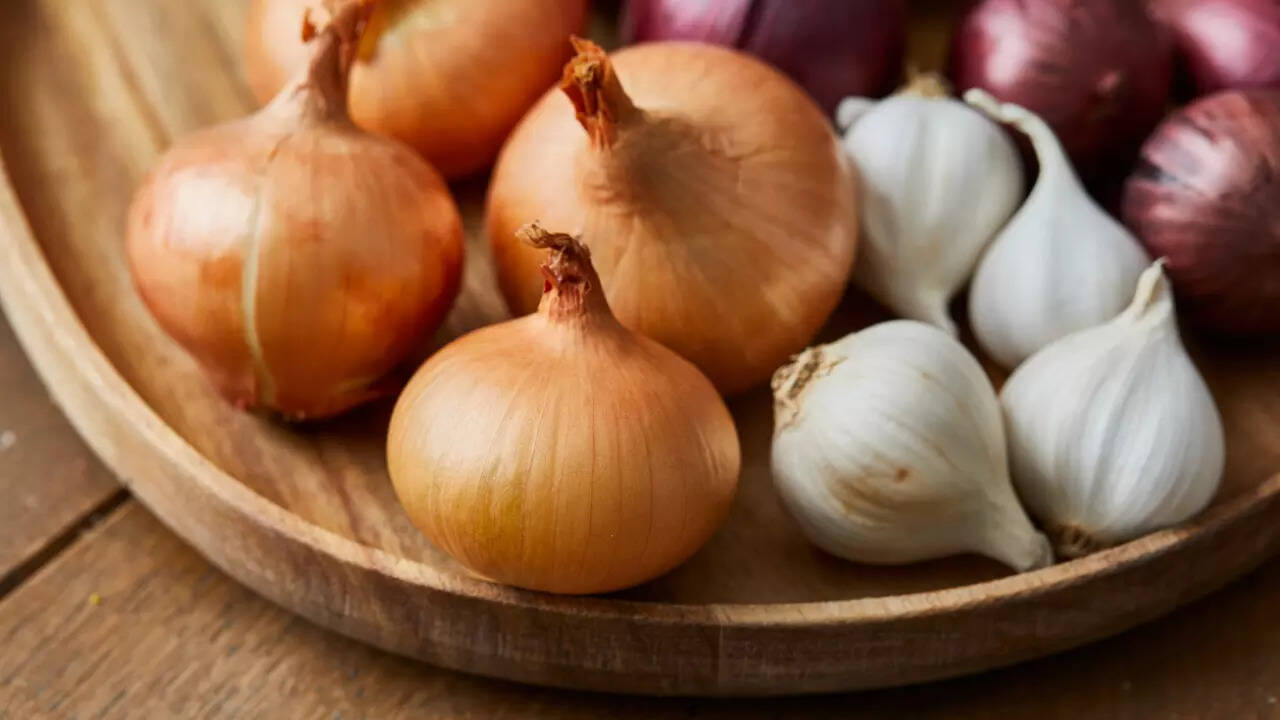
Maha Shivratri, a festival honoring Lord Shiva, involves fasting and prayers, celebrating his divine union with Maa Parvati. Devotees observe various fasts, from complete abstinence to fruit-based diets. The article outlines puja timings, fasting guidelines, and specific food recommendations, emphasizing purity and devotion during this auspicious occasion.


About the AuthorTOI Lifestyle Desk
End of Article
Follow Us On Social Media
Health +
Tired of too many ads?go ad free now
Food videos
Featured In Food

Tired of too many ads?go ad free now



MORE FROM ETIMES
life & styleHot on the Web
Ramadan Mubarak MessagesRajpal Yadav Bail HearingAnurag KashyapVijay DeverakondaShashi TharoorSalman KhanRajpal YadavShraddhaDhanushBaby NamesPremium Indian DishesRamadan 2026George ClooneyInderjeet Singh'O'Romeo' Box Office CollectionSnakes Hiding SpotsPriyanka ChopraKunal NayyarPandit Ravi ShankarJana Nayagan1987 Dinner MenuMardaani 3 Box Office CollectionSufi Heritage Festival 2026Hair Care TipsBorder 2 CollectionRobert FrostBorder 2 Movie ReviewZodiac SignsFarhan AkhtarTu Yaa Main Movie ReviewToday Gold Rate in ChennaiDelhi Weather TodayDelhi AQI TodayMumbai AQI TodayMaharashtra Public Holidays 2026Ai Impact Summit 2026PM Rahat SchemeElon MuskSridhar VembuJensen HuangOppo K14x5G
Trending Topics
Latest MoviesBollywood MoviesHollywood MoviesTamil Movies 2026Telugu Movies 2026Malayalam Movies 2026Kannada MoviesMarathi MoviesBengali Movies 2026Top Rated Movies 2026Best Hindi MoviesBest English MoviesBest Telugu MoviesBest Tamil MoviesBest Malayalam MoviesBest Kannada MoviesBest Bengali MoviesUpcoming Hindi MoviesBest Movies Of All TimeBest Hindi Movies of All TimeLatest English MoviesLatest Malayalam MoviesEnglish TV NewsTamil TV NewsTelugu TV NewsMalayalam TV NewsKannada TV NewsMovie ReviewsBhojpuri Cinema NewsGujarati Cinema News
Popular Categories
Viral NewsK Pop NewsWeb Series NewsAnime NewsUpcoming English MoviesUpcoming Tamil MoviesUpcoming Telugu MoviesUpcoming Malayalam MoviesUpcoming Kannada MoviesFashion TipsTravel NewsEntertainment NewsBollywood NewsTollywood NewsKollywood NewsMollywood NewsFood NewsLatest Hindi MoviesLatest Tamil MoviesParenting TipsHome RemediesWeight LossBeauty TipsParenting TipsHindi VideosHindi Video SongsBhojpuri Music VideosLatest Telugu MoviesBhojpuri Music VideoHindi TV News
Latest News
AR Rahman announces digital detox to focus on ‘Ramayana’ eventSwitzerland Captain Roman Josi warns against looking past Italy in Olympic qualifierIndia real estate market may reach Rs 88 lakh crore by 2030: ReportKanye West set for India debut; Hip-hop hit machine to perform in Delhi on March 29John Abraham: 'I have probably been criticized the most in this industry,' talks about bonding with SRK, Akshay, AbhishekMan arrested for sexually abusing his two-year-old daughter in Namakkal districtRamadan Mubarak 2026: Top 50 Ramzan Wishes, Messages, Quotes and Greetings to share with your loved onesCarnegie Mellon leads, MIT follows: Top 5 US universities that received the most foreign funding in 2025India-US trade deal: Congress accepts Amit Shah's debate challenge, flags US maize & cotton imports as blow to farmers'Players need pressure': Nick Pothas demands stronger cricket structure in NepalBig Bang Theory star Kunal Nayyar secretly pays strangers’ medical bills and funds scholarshipsManoj Bajpayee cast as Gandhi in Sudhir Mishra’s next; filming planned for September -ReportsRashmika Mandanna OUT of Amit Sharma's next: Here's why? -Reports'Different people have stepped up': Jason Holder reveals secret behind West Indies' unbeaten runUFC Houston: Sean Strickland vs. Anthony Hernandez- Date, timings, main card fights, and walkout scheduleFranklin Templeton India SIP performance: Mid Cap fund returns 19.84%, Large Cap fund sees 17.42% annualised returns‘He's too fragile,’ But is Tua Tagovailoa really done while wife Annah dances through Valentine's night?The 50: Nikki Tamboli hits back at Aarya Jadhao over the body-shaming remark; says, “Focus on your own life the way you obsess over my fillers”