
Sattu vs Besan: Which is more nutritious in summer and 3 easy ways to consume them
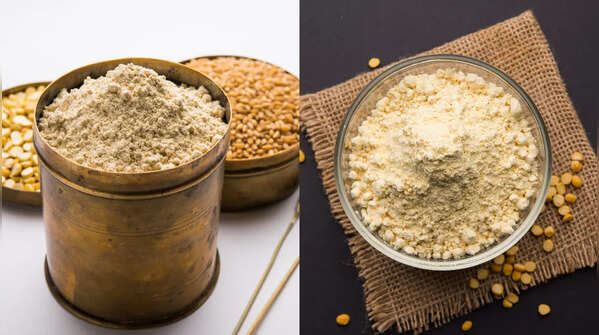
Understanding nutrition of sattu and besan
As the mercury is rising every day, the loss of appetite is very common, and such situations often make us turn to traditional foods that are light, cooling, and nutritious. Two of the common pantry staples that frequently come up in discussions about healthy eating are Sattu and Besan. While they look quite similar, they differ significantly in preparation, taste, and how the body responds to them in hot weather. So which one is better for summer? Let us find out.
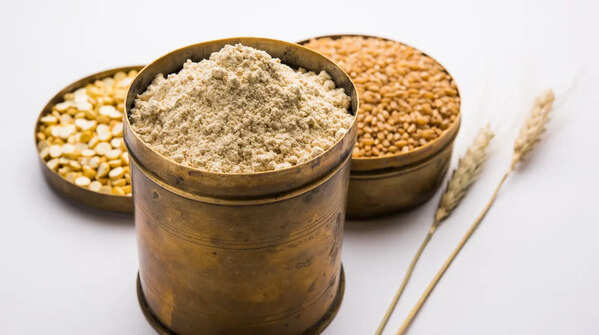
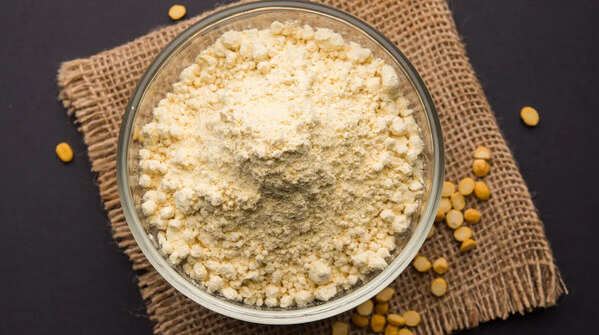
What is Sattu
It is a traditional flour or powder made by dry-roasting grains or pulses and then grinding them. It is mostly made with chana, though it can also include barley, wheat, or millet.
Nutritional value of sattu
Per 100 gms of sattu offers 380-400 calories, 20-25 g protein, 55-65 g carbs, 10-18 g fiber, 4-6 mg fat, 40-60 mg calcium, 120-160 mg magneisum, and 700-1000 mg potassium.
Benefits of sattu
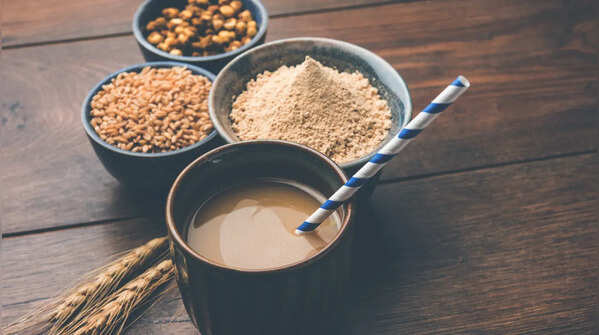
According to Ayurveda, sattu is a rich source of plant-based protein and fiber too, which helps fullness and digestion. It has low glycemic impact compared with many refined flours. And when consumed as a drink in hot weather, it has cooling and hydrating effects. Also, it is proven to be a rich source of iron, magnesium, and potassium.
What is Besan
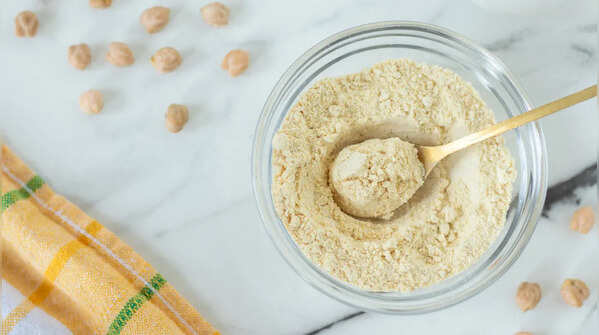
It is a flour made by grinding dried chickpeas, usually split brown chickpeas called Bengal gram (chana dal) and is often used as a coating agent or binding agent. Unlike sattu, besan is not roasted before grinding.
Nutritional value of besan
Per 100 gms of besan offers 380-400 calories, 20-22 g protein, 55-60 g carbs, 10-12 g fiber, 5-7 g fat, 8-10 g sugar, 40-50 mg calcium, 4-5 mg iron, 150-170 mg magnesium, and 800-900 mg potassium
Benefits of besan
Besan is considered as a rich source of protein and fiber, which helps fullness and digestion. It is naturally gluten-free and has a lower glycemic response than refined wheat flour.
Which is more nutritious
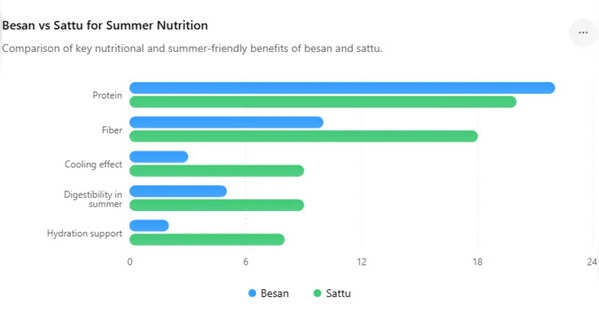
For summer, sattu is a more suitable and refreshing option, especially for hydration and light nutrition during hot days. Accordinng to experts, the cooling properties of this powder and digestibility makes it ideal for summer. Meanwhile, besan is an excellent year-round ingredient which is rich in protien too. According to experts, the healthiest approach is to use sattu for summer drinks and quick meals and besan for cooked and savoury dishes. Together, they offer an affordable, traditional, and nutrient-rich alternative to heavily processed foods.
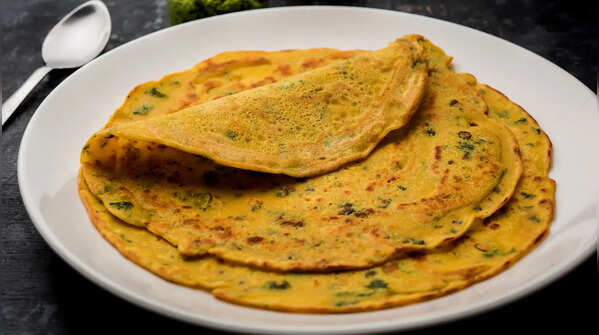
3 ways to enjoy besan in summer
Besan Chilla: This savoury pancake is made with besan, water, curd, salt, pepper, onion, tomatoes, and oil. It is best served with coriander chutney.
Kadhi: It is also a popular curry enjoyed with steamed rice during summer. Made with besan, curd, turmeric, and a tempering of panch phoran, green chilli, and mango powder, it is a comforting Indian dish which is enjoyed with salad on the side.
Dhokla: It is a steamed breakfast staple of Gujarat, made with besan, curd, baking soda, salt, and tempered with oil, mustard seeds, and curry leaves.
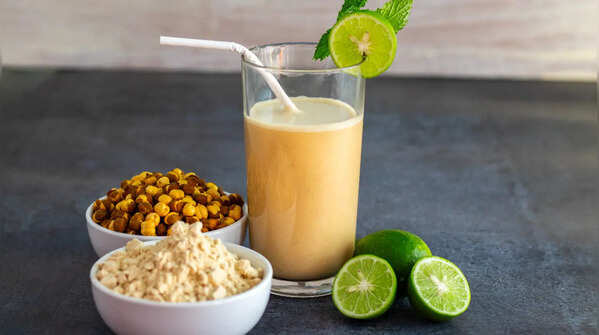
3 ways to enjoy sattu in summer
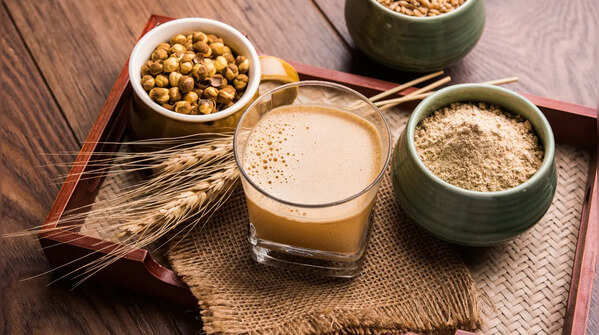
Sattu Sharbat: It is made with sattu powder, jaggery, water, and cumin powder. This sweet drink makes for the perfect thirst quencher. And the savoury version of this drink is made with sattu powder, water, lemon juice, green chillies, salt, black salt, cumin powder, coriander leaves, and black pepper.
Sattu Chilla: It makes for a healthy breakfast dish made with sattu, rice flour, curd, mustard seeds, salt, pepper, coriander leaves, onions, green chilli, and oil for cooking.
Sattu ka Chokha: This side dish goes well with dal and chawal and is made with sattu powder, onion, green chillies, mustard oil, salt, pepper, coriander leaves, mint leaves, and a hint of water.
Featured In Food

