
Why non-vegetarian thali has become cheaper than vegetarian thali
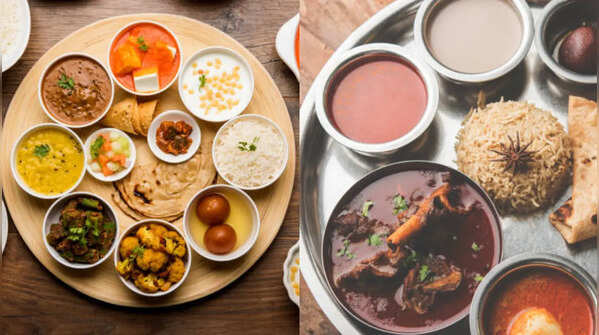
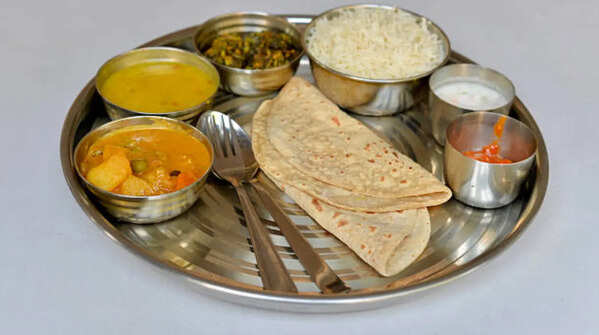
Veg thali vs non-veg thali
When it comes to Indian thalis (vegetarian and non-vegetarian), it is often believed that the former will always be cheaper than the latter. There is a common belief that vegetarian key ingredients like rice, dal, flour, and veggies are cheaper than meat and poultry. However, the latest statistics reveal something else. Scroll down to find the truth.
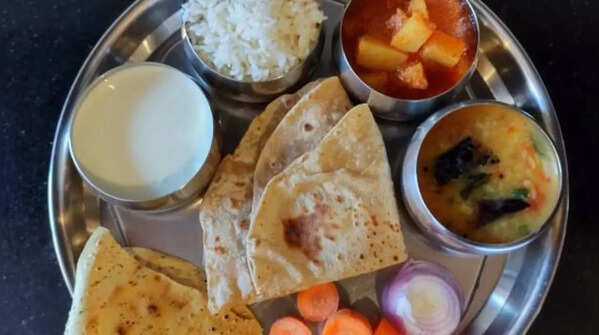
What does the Crisil Intelligence Report states
According to the latest Crisil Intelligence Report, the cost of a home-cooked non-vegetarian thali fell 1% year-on-year in March 2026, while the price of a vegetarian thali remained unchanged. In the latest Roti Rice Report, the average cost of preparing these meals was calculated using input prices from North, South, East, and West India. The data also reveals the ingredients (cereals, pulses, broilers, vegetables, spices, edible oil and cooking gas) driving the change in the cost of the thali. For the unversed, Crisil Intelligence is a leading provider of research, consulting, risk solutions and advanced data analytics, serving clients across government, private and public enterprises. They leverage their expertise in data-driven insights and strong benchmarking capabilities to help clients navigate complex external ecosystems, identify opportunities and mitigate risks. The report also highlights why this change has been happening an how it impacts the food habits of people.
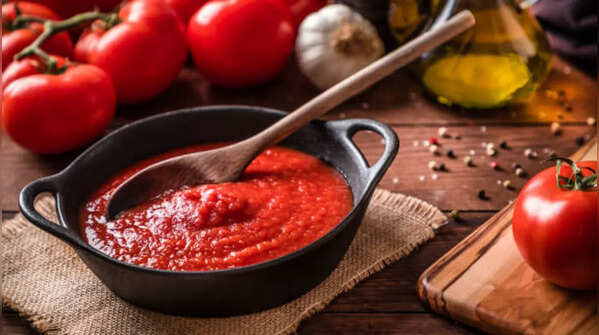
Why is it happening?
The report highlights that the price of a vegetarin thali remained unchanged, as lower prices of onion, potatoes, and pulses helped offset higher costs of tomatoes, vegetable and fuel.
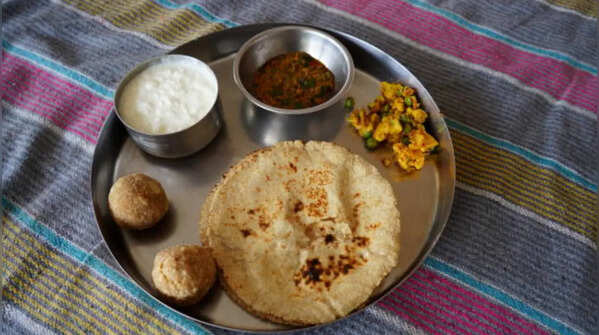
Why vegetarian thali is not getting cheaper
According to the report, the vegetarian thali has stayed flat for years because of a sharp rise in tomato prices. It is reported that tomato prices climbed 33 percent year-on-year to Rs 28 kg in March 2026, as compared to Rs 21 per kg in March 2025. The report said the increase was caused by delayed transplantation in major producing states such as Karnataka and Andhra Pradesh, which affected crop growth, yields and the timing of arrivals in markets. Also, onion prices have feel 25% on-year. The report also mentions that onion prices also fell 25% year-on-year due to excess supply from overlapping late kharif arrivals and rabi harvest, coupled with weak exports, leading to distress sales given the limited shelf life of late kharif onions. Also, potato prices dropped 13% year-on-year. Pulse prices declined 6% on-year on account of higher opening stocks in the current fiscal. Tur inventories for the July-June marketing year are estimated to be 20% higher, while Bengal gram stocks for the January-December marketing year are ~10% higher this season, exerting downward pressure on prices.

Why non-vegetarian thalis are getting cheaper
It is reported that the broiler price has declined at an estimate of 2% year-on-year, which has mainly made the thalis cheaper.
How is it impacting monthly thali cost
As per the report, tomato and potato prices slipped 6% month-on-month, while onion prices fell by 14%. Also, pulse prices have also eased by 6% due to higher opening stock. The cost of a non-veg thali fell because of an estimated 2% month-on-month decline in broiler prices due to lower demand during Navratri, when people refrain from consuming non-veg food.
Featured In Food

MORE FROM ETIMES
life & style