
- News
- lifestyle
- parenting
- early-childhood
- The emotional meaning behind toddler hugs and cuddles
The emotional meaning behind toddler hugs and cuddles
The emotional meaning behind toddler hugs and cuddles
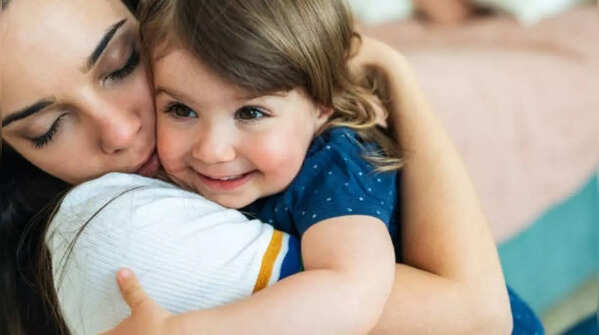
While toddler hugs and cuddles may be simple actions, they also have great emotional importance. During the toddler stage of development, children are still learning how to express their emotions and develop connections with the people around them. Since children at the toddler stage of development have not yet fully developed their capacity for expression and communication, physical affection becomes one of the most accessible ways for them to communicate their feelings of love and trust. Therefore, while the toddler runs towards the parent to receive a hug or cuddles up beside the parent for physical affection, it is an expression of the emotional bond that the toddler feels. Such physical expressions of love play an important role in the development of emotional connections between children and their parents.
A way of expressing love
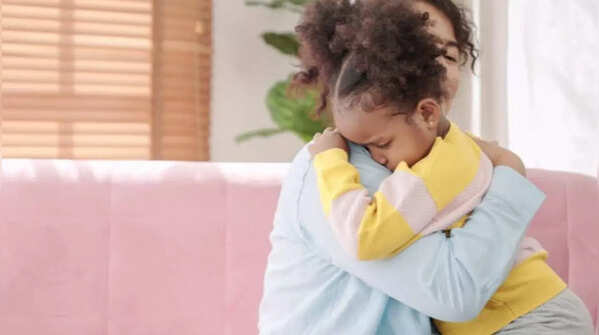
Hugs and cuddles between toddlers and their parents may be the most accessible way of expressing their feelings of love. During the toddler stage of development, children have not yet fully developed their capacity for expression and communication. Therefore, while they may not be able to express their feelings of love through the phrase "I love you," they may be able to express it physically. Thus, while the toddler hugs the parent or cuddles up beside the parent, it is an expression of the toddler’s feelings of love. Such physical expressions of love also show that the toddler feels comfortable and emotionally connected. Therefore, the physical expression of love between the toddler and the parent strengthens the bond between them and creates a feeling of closeness within the family.
Seeking comfort and reassurance
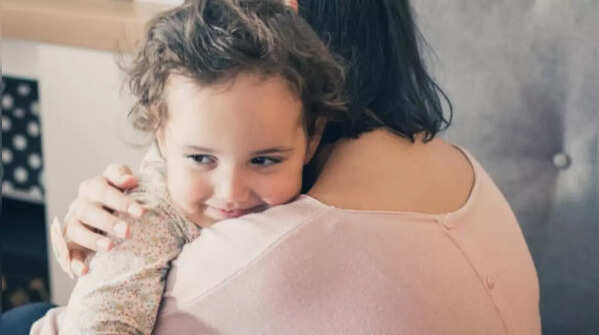
Toddlers, in most cases, seek hugs when they are feeling sad, tired, or even frustrated. At such moments, they find solace in being physically close to someone, and that's why they seek hugs. At these moments, they find security in being held by someone they trust. This helps them calm down and feel comfortable again. This, in turn, helps them manage their emotions in an easy manner. At some point, they learn that they can always count on someone when they are going through tough moments.
Building trust and emotional security
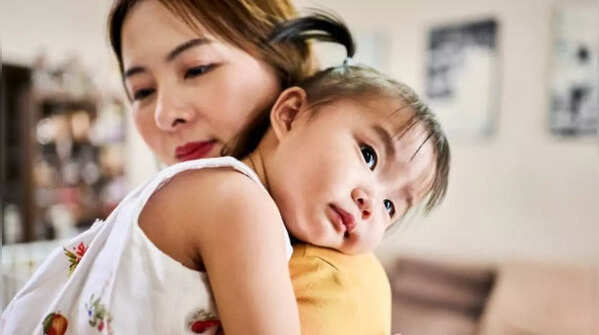
The frequent affectionate moments between toddlers and parents create a solid foundation of trust between these two parties. At some point, toddlers learn that they can always count on their parents after they have shown affection towards them. For example, if they give their parents a hug, they get affection in return. This, in turn, makes them feel emotionally secure. This security, in turn, enables them to explore the world since they know they have a place to go back to. A hug, in most cases, helps toddlers feel that they are loved, cherished, and cared for, and that's why they can always count on someone.
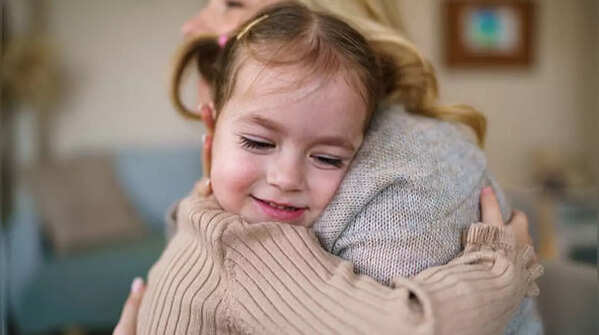
Learning empathy and connection
Physical affection also helps toddlers learn about emotional connection. When they experience gentle hugs and caring gestures from adults, they begin to understand how affection can comfort others. Over time, they may start offering hugs to friends, siblings, or even parents who seem upset. These small acts of kindness show that toddlers are learning empathy and recognising the emotional needs of others. Such early experiences help shape positive social relationships in the future.
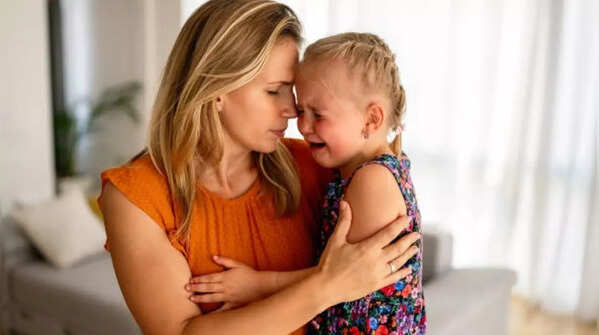
Strengthening the parent-child bond
The most significant aspect of toddler hugging and cuddling is that it strengthens the relationship between parents and children. These acts of hugging and cuddling are a source of memories that are full of warmth and emotional involvement. Whether it is during playtime, bedtime, or after a long day, hugging and cuddling strengthen the feeling of belonging in a family. These small acts over the years strengthen a strong and trusting relationship that continues to influence the emotional development of the child.
Featured In lifestyle

MORE FROM ETIMES
life & style