
- News
- lifestyle
- soul-search
- 5 types of demons as per mythologyand what do they signify
5 types of demons as per mythologyand what do they signify
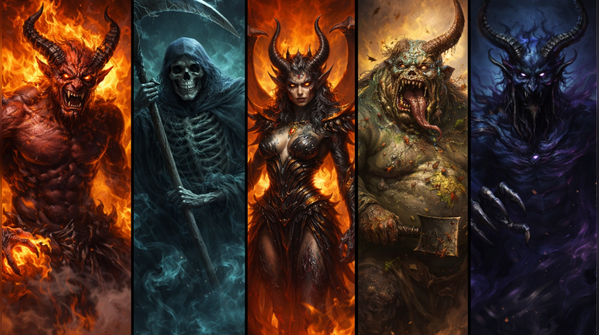
5 types of demons as per mythology and what do they signify
Across mythological traditions, demons were never just creatures of fear. They represented forces of imbalance, unchecked desire, ego, chaos, and sometimes even misunderstood power. In Indian mythology especially, demons were not uniformly evil. Many were learnt, devoted, brave, and even spiritual, yet ultimately undone by excess, pride, or defiance of cosmic order. These classifications help explain how ancient cultures understood inner and outer conflict. Scroll down to read more...
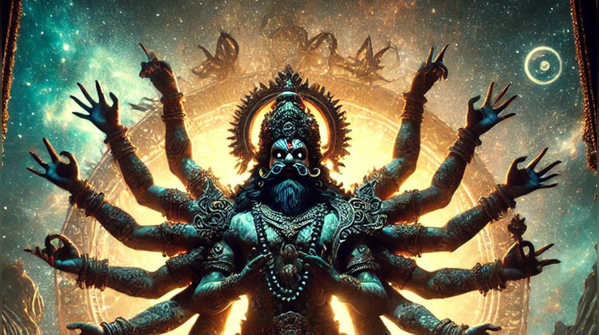
Asuras: The power-driven beings
Asuras are perhaps the most widely known demonic beings in Hindu mythology. Unlike modern portrayals, early texts describe Asuras as powerful entities who rivaled the gods, not merely evil monsters. They were ambitious, intelligent, and deeply driven by the desire for control and dominance.
What separated Asuras from devas was not strength but intention. Asuras sought power for themselves, often at the cost of balance. Figures like Hiranyakashipu and Mahabali show two sides of the Asura nature - one consumed by ego, the other remembered for generosity and devotion. In mythology, Asuras symbolize unchecked ambition and the dangers of placing power above harmony.
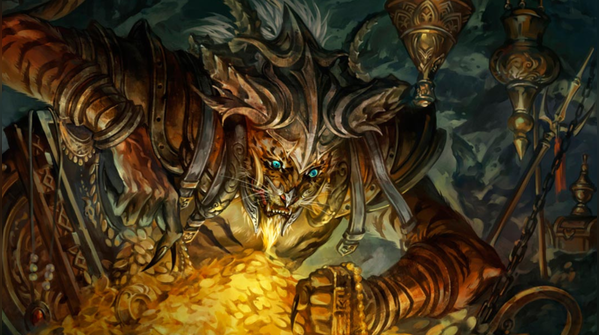
Rakshasas: Masters of illusion and fear
Rakshasas are shape-shifting beings known for deception, manipulation, and psychological warfare. They thrive in forests, cremation grounds, and liminal spaces - places where order blurs into chaos. Rakshasas often use illusion to confuse their enemies rather than confronting them directly.
Ravana, perhaps the most famous Rakshasa, was not only a fearsome warrior but also a scholar and devotee of Shiva. This complexity is intentional. Rakshasas represent uncontrolled desire, attachment, and indulgence - qualities that distort perception. Their stories warn against letting intellect serve ego instead of wisdom.
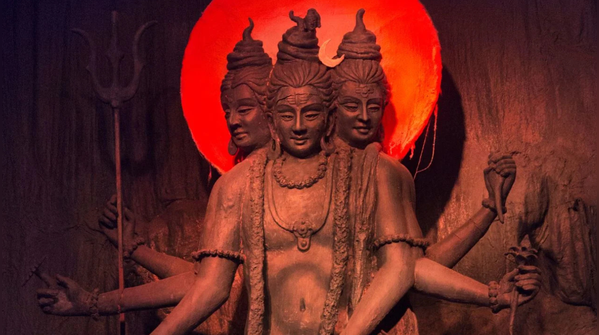
Daityas: The defiant sons of destiny
Daityas are descendants of Diti and are often portrayed as eternal adversaries of the devas. They are powerful, aggressive, and resistant to authority. Unlike Rakshasas, Daityas are less focused on illusion and more on direct confrontation.
In mythological symbolism, Daityas embody rebellion against cosmic law. They question divine order and often attempt to overthrow it by force. Yet many Daityas are shown performing intense penance, gaining boons and testing the gods themselves. Their downfall usually comes not from weakness but from overconfidence and misuse of divine gifts.
Danavas: The architects of chaos
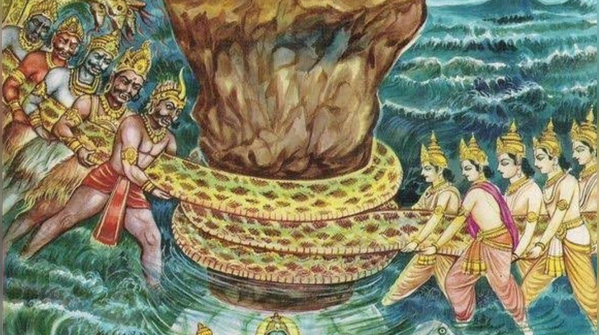
Danavas, born of Danu, are closely related to Daityas but are more associated with cosmic disruption and natural disorder. In many texts, Danavas are described as technologically advanced, strategic and inventive - sometimes even surpassing the gods in skill.
They often represent chaos that arises from intellect without restraint. Danavas remind mythology that intelligence alone is not virtue. When knowledge is used without ethics, it becomes destructive. Their presence in myths reflects ancient anxieties about imbalance between progress and responsibility.
Yakshas: Guardians turned adversaries
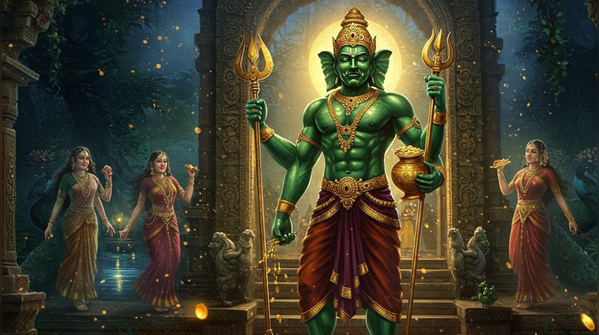
Yakshas occupy a unique space in mythology. They are not inherently evil, yet they are often grouped among demonic beings due to their unpredictable nature. Yakshas are guardians of treasures, forests, and hidden realms, closely tied to nature and wealth.
Some Yakshas are benevolent, while others are hostile to humans who disrespect boundaries. In symbolic terms, Yakshas represent desire for material wealth and attachment to possessions. When respected, they protect. When provoked, they punish. Their stories emphasise balance between taking and honouring, consuming and preserving.
Featured In lifestyle

MORE FROM ETIMES
life & style