
5 Japanese mindsets shaping healthier lifestyles in 2026
5 Japanese mindsets shaping healthier lifestyles in 2026
In a world driven by speed, productivity and constant comparison, a quieter philosophy is gaining global traction in 2026 and that is Japanese mindsets. Rooted in centuries-old wisdom, Japanese mindsets like Ikigai and Wabi-Sabi are being rediscovered, not as abstract cultural ideas but as practical tools for mental clarity, emotional balance and long-term wellbeing. What makes these philosophies so compelling today is their simplicity. They do not promise overnight transformation instead, they encourage small but consistent shifts in how we think, work and live.
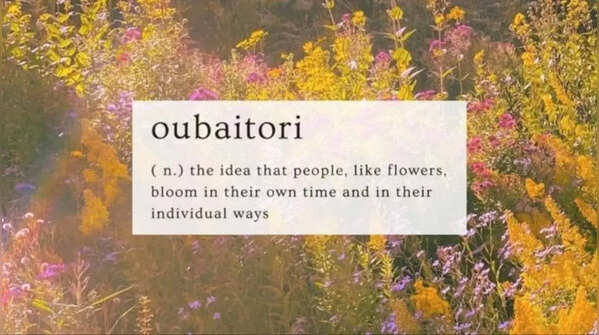
Oubaitori: Stop comparing, start living
One of the most underrated Japanese concepts, Oubaitori, teaches a simple but powerful lesson to not compare your life to others. Inspired by how different trees bloom at different times, it encourages people to respect their own pace of growth. This idea is especially relevant in the age of social media, where comparison is constant. A 2026 study in the Cyberpsychology Journal established, “Reduced comparison behaviours were linked to higher self-esteem and lower anxiety levels.” Oubaitori offers a powerful antidote to comparison culture—reminding us that progress is personal, not competitive.

Shinrin-Yoku: The healing power of nature
Known as “forest bathing,” Shinrin-Yoku involves immersing yourself in nature, not for exercise but for presence. As urban life becomes more intense, this practice is gaining renewed attention for its calming effects on the brain. A 2026 study in Environmental Health Perspectives revealed, “Short-term exposure to natural environments significantly reduced cortisol levels and improved mood states.” Even brief contact with nature like with parks, trees or greenery, can reset mental overload and improve emotional balance.

Kaizen: Small steps, big change
While many cultures emphasise dramatic transformation, the Japanese concept of Kaizen focuses on continuous, incremental improvement. Rather than setting overwhelming goals, Kaizen encourages small, daily progress; whether it is improving habits, skills or mindset. A 2026 behavioural science study in Behavioural Sciences Journal found, “Incremental habit formation significantly outperformed large-scale behavioural shifts in long-term adherence.” In busy, overstimulated lives, Kaizen offers a sustainable alternative: progress without pressure.
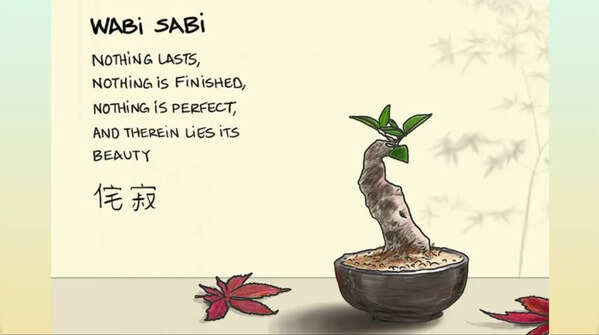
Wabi-sabi: Embracing imperfection
If Ikigai gives life direction, Wabi-Sabi gives it peace. This philosophy centres on accepting imperfection, impermanence and simplicity. In today’s hyper-curated digital world, this idea feels almost radical. A 2026 study in the Journal of Positive Psychology noted, “Acceptance of imperfection is associated with reduced anxiety and increased emotional resilience.” Modern interpretations highlight that Wabi-Sabi helps people let go of unrealistic expectations, reducing stress and perfectionism. Instead of chasing flawless lives, people are learning to find calm in what already exists, flaws included.
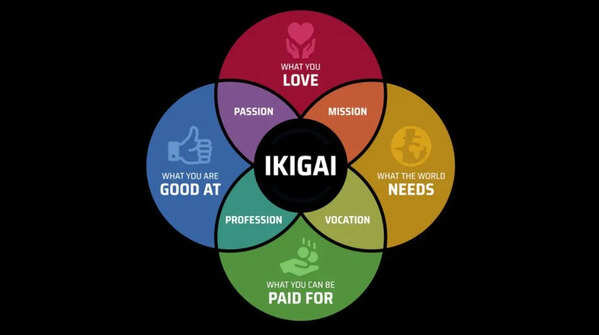
Ikigai: Finding purpose in everyday life
At the heart of Japanese wellbeing lies Ikigai, which is often translated as “a reason for being.” Unlike Western ideas of success tied to achievement, Ikigai focuses on daily meaning, the small reasons you get out of bed each morning. According to a 2026 follow-up analysis published in the Journal of Gerontology, “Individuals with a strong sense of purpose showed lower risks of cognitive decline and improved psychological wellbeing.” In an era of burnout, Ikigai shifts the focus from big goals to daily meaning, making life feel manageable and fulfilling.

Why these mindsets are trending now
The resurgence of Japanese philosophies is not accidental. It reflects a deeper shift in how people define health and success. Recent cultural analyses show that these principles help reduce stress and overthinking, improve emotional resilience, encourage mindful or intentional living and build sustainable habits rather than quick fixes. These ideas work not by forcing change but by changing perspective.
Featured In lifestyle

MORE FROM ETIMES
life & style