
- News
- lifestyle
- travel
- destinations
- 8 countries around the world most famous for their wildlife
8 countries around the world most famous for their wildlife
8 countries around the world most famous for their wildlife
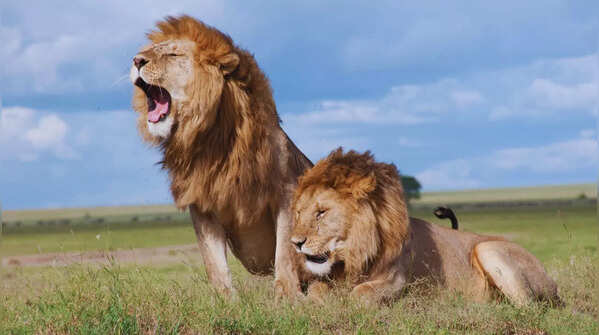
For many travellers, wildlife is more than just an attraction, it is the main reason to choose a destination. From the wide savannahs to the thick rainforests, to coral reefs and isolated islands, some countries have managed to gain a worldwide reputation for exceptional animal life and unforgettable wildlife encounters. These destinations stand apart not just because of the number of species they host, but because wildlife is deeply tied into their landscapes, conservation efforts, and travel experiences. From tracking big cats on safari to spotting rare endemic species, these countries always pop up as some of the world's best countries for wildlife-focused travel.
Kenya
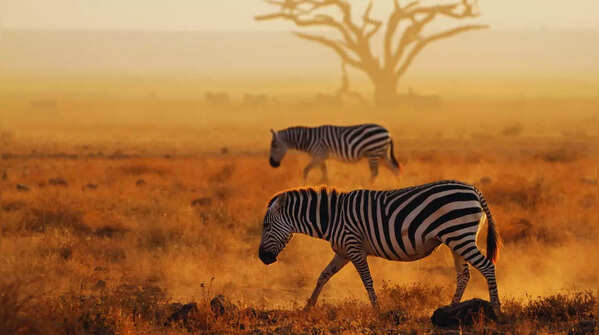
Open savannahs here, especially in the Maasai Mara, provide some of the most iconic scenes in the world where wildlife thrives. When it comes to migrations, millions of wildebeest and zebras make their way across the rolling plains in search of fresh grazing-one of nature's most dramatic spectacles that attracts visitors from the whole world. Besides migration, Kenyan parks are some of the best places to see lions, elephants, giraffes, cheetahs, leopards, and rhinos in their natural habitat.

Tanzania
When it comes to the diversity and number of wildlife, Tanzania is second only to Kenya. The Serengeti National Park is renowned for its endless plains and rich predator bases, while the Ngorongoro Crater boasts the largest concentration of wildlife in Africa, found in a natural volcanic basin. Tanzania is also home to the river crossing events associated with the great migration, which qualifies as among the most spectacular wildlife experiences.
South Africa
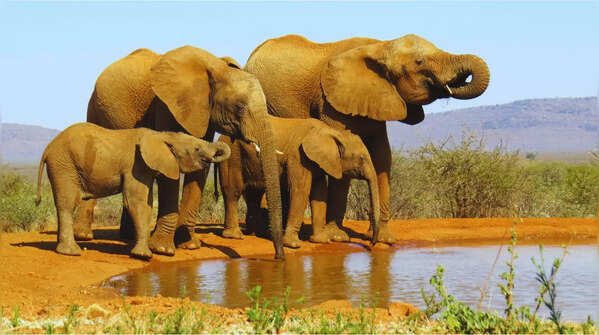
South Africa is renowned for its ability to offer excellent wildlife spotting opportunities alongside good tourism infrastructure. Kruger National Park, one of the largest and most accessible game reserves in Africa, is home to the Big Five: lion, leopard, elephant, buffalo, and rhino. What sets South Africa apart is the variety it offers beyond traditional safaris. Along the coastline, visitors can enjoy marine life like whales, dolphins, seals, as well as great white sharks.
India
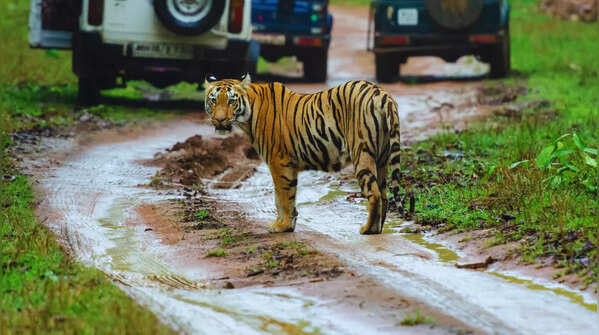
India is quite distinct in the world for its diverse natural habitats and wildlife, which are intricately woven between a dense history and culture. India has the highest population of wild tigers and is the only country in the world where one can find tigers, lions, and leopards together in their natural habitats. Asia's largest population of elephants, one-horned rhinoceros, snow leopards, sloth bears, and an incredible variety of birds can also be found in India. Ranthambore, Bandhavgarh, Jim Corbett, and Kaziranga National Parks are quite popular among wildlife lovers.
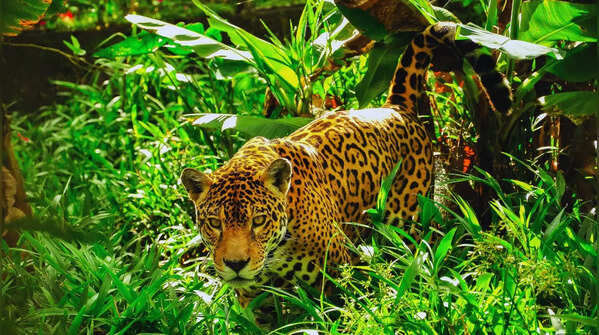
Brazil
Brazil is among the biologically richest countries in the world. The Amazon Rainforest itself is home to a considerable percentage of all global botanical and zoological life, making Brazil an ideal destination for nature enthusiasts. There are jaguars, sloths, macaws, pink river dolphins, monkeys, and an unbelievable number of amphibians and insects. The Pantanal, a tropical wetland, is a recognised top spot for observing jaguars in the wild.

Australia
Australia is one of the best countries for wildlife experiences. The animals found in Australia can be found only in Australia and nowhere else on the planet. These animals are the kangaroo, koalas, wombats, platypus, and echidnas. Besides the onshore wildlife, there are species found in the waters of Australia that are rare as well. Australia’s Great Barrier Reef is one such place where the marine wildlife will definitely leave you impressed.
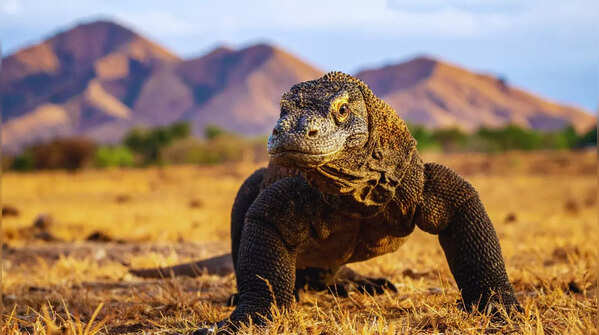
Indonesia
Indonesia has thousands of islands with different ecosystems and species. It is most famous for its orangutans in the rainforests of Borneo and Sumatra, where tourism along with conservation allows people to see these endangered primates in the wild. Komodo National Park houses the Komodo dragon, the largest living lizard on the planet. Indonesia is also a marine biodiversity hot spot, notably in places like Raja Ampat, which contains some of the most diverse coral reef ecosystems on Earth.
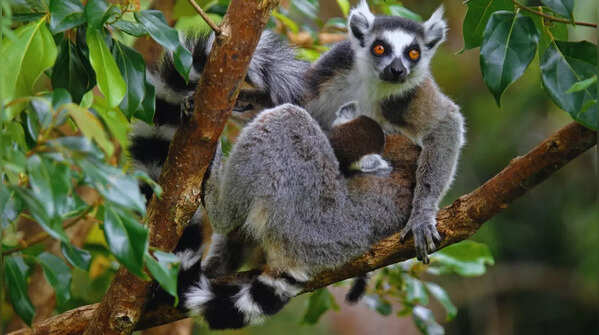
Madagascar
Madagascar is among the most biologically unique places on Earth. Due to this island's long isolation from other landmasses, it has developed wildlife found nowhere else. Its most iconic animals are lemurs, although Madagascar is also home to very rare types of chameleons, unusual reptiles, and amphibians, with a wide range of plant species found nowhere but here. For travellers interested in endemic wildlife and evolutionary science, Madagascar offers experiences that cannot be replicated anywhere else.
Featured In lifestyle

