
- News
- Relationships News
- The colour red, yellow, blue: What Holi colours reveal about mood psychology
The colour red, yellow, blue: What Holi colours reveal about mood psychology
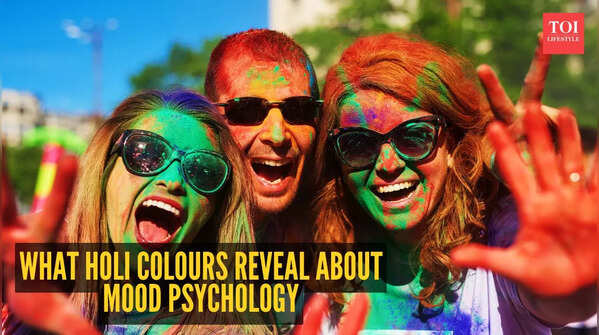
What Holi colours reveal about mood psychology
Holi isn’t just a festival of colours, but it’s a feeling for many. It's a day when the air fills with joy, music, and a burst of colours that seems to dissolve all boundaries. Strangers become friends; old grudges fade. For one day, life feels lighter. But have you ever wondered why Holi feels so energising?
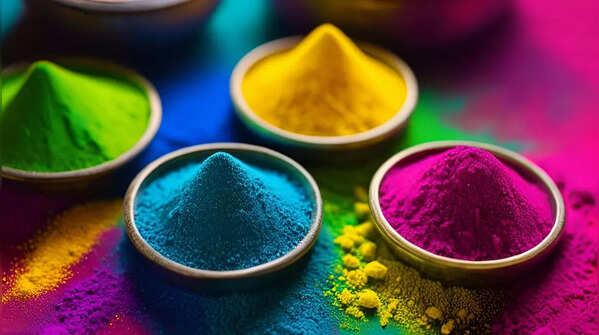
Part of the answer lies in colour psychology. The colourful gulal we apply— red, yellow, blue — aren't just for fun. It influences people's mood, emotion, and even behaviour. Here's how:
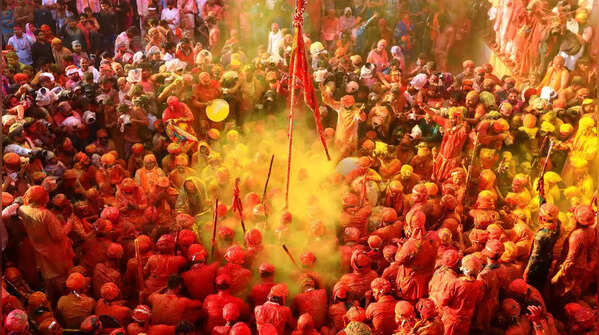
Red
Red. It's the colour of daring, of fervour, and it has a way of making you feel truly awake. And so, the colour red is psychologically linked to heightened energy and stimulation.
Research in colour psychology shows that red increases heart rate and grabs attention immediately.
It’s associated with passion, love, strength, and even courage. In many cultures, red symbolises auspicious beginnings and celebration — read in weddings, festivals, and sacred rituals. During Holi, the colour red amplifies the festive spirit. It sparks excitement, fun and spontaneity. In simple terms, red says: Feel fully. Live loudly.
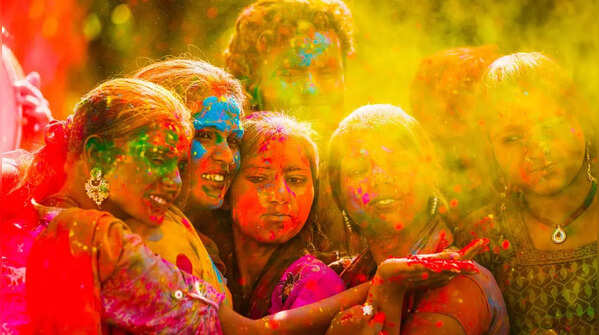
Yellow
Yellow often symbolises joy, positivity, and hope. Psychologically, yellow is said to stimulate the brain. It is associated with mental clarity and alertness. Studies suggest that yellow can boost mood and make one feel happier. This explains why bright yellow rooms often feel cheerful.
On Holi, yellow carries a gentle kind of energy. It feels warm rather than overwhelming. It’s the colour of turmeric, of spring blossoms, of new beginnings.
Emotionally, yellow whispers: Be light. Be hopeful. Start fresh.
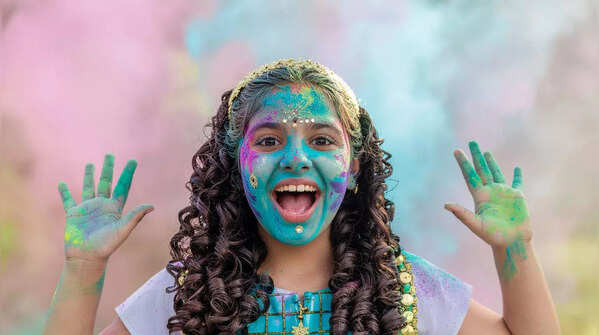
Blue
Blue brings balance and grounding. Psychologically, blue is associated with calmness, trust, and emotional stability. It slows the heart rate and creates a sense of peace.
And so, blue is often used in corporate branding as it signals reliability and trust. In Holi's context, blue has a deeper meaning. It connects to spirituality and reflection. In Indian tradition, blue is often associated with divinity and protection.
When blue powder is applied to you during Holi, it symbolises that celebration isn’t only about noise — it’s also about harmony. Emotionally, blue says: Breathe. Trust. Stay grounded.
Why Holi Feels So Emotionally Powerful
The colour psychology tells us that colours influence not only how we feel individually but how we connect socially. Holi removes visual hierarchy — once everyone is covered in colour, status and differences fade. This shared palette builds unity and belonging. On a deeper level, playing with colours allows emotional expression without words.
Featured In Relationships

