
- News
- lifestyle
- travel
- destinations
- 7 best places to spot the Indian wolf in the wild
7 best places to spot the Indian wolf in the wild
7 best places to spot the Indian wolf in the wild
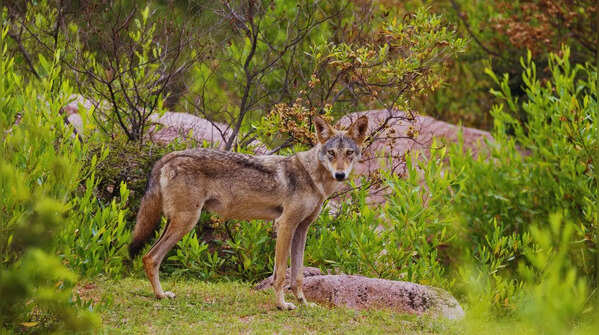
The wilderness of India is often associated with tigers, elephants, and leopards, but very little is known about one of the most elusive predators of the Indian wilderness: the Indian wolf. Unlike its forest-living counterparts, this species of wolf flourishes in the open grasslands, scrublands, and semi-arid plains of India, which have traditionally been neglected when it comes to conservation efforts. Recent news articles (2025-2026) have put the Indian wolf back in the limelight, whether it is because of a sighting of this rare species near Delhi or a study pointing out how most of the Indian wolf species live outside of nature reserves, often perilously close to human habitations. With an estimated 3,000 individuals of this species, sighting an Indian wolf is not only rare but a privilege linked with the awareness of its ecosystem.
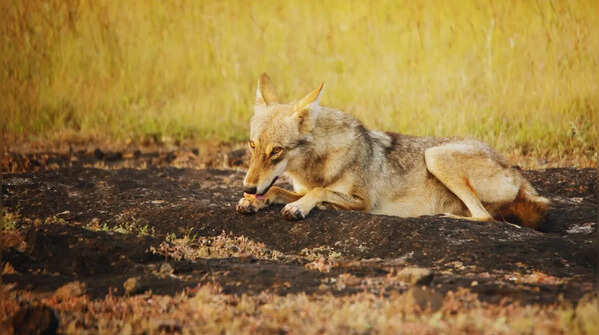
Velavadar Blackbuck National Park in Gujarat
Often described as “the closest India comes to Africa’s savannah,” this landscape is widely considered the most reliable destination in the country for spotting wolves. Recent reports have once again highlighted its ecological uniqueness, where Indian wolves coexist alongside large herds of blackbucks, forming a striking predator-prey dynamic in vast open grasslands. Velavadar offers the highest likelihood of wolf sightings in India, especially during the early morning hours when these animals are often seen traversing the plains or actively hunting.
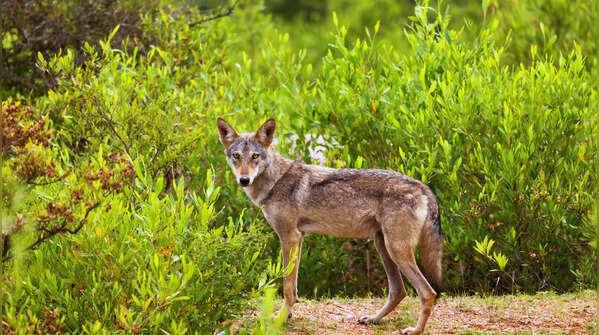
Solapur–Pune region in Maharashtra
The semi-arid landscapes of the Deccan Plateau support one of India’s largest remaining wolf populations, especially around Solapur and in grassland regions such as Kadbanwadi near Pune. What sets this area apart, as highlighted in recent reports, is that wolves here are often found living beyond protected reserves. This has led to increased opportunities to observe their behaviour, particularly their remarkable ability to adapt to human-dominated environments.
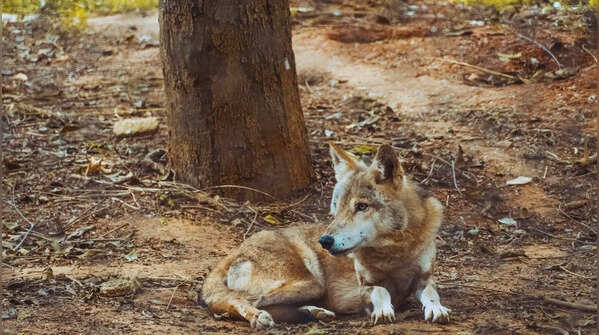
Jawai Hills and Rajasthan
Though not widely known for wolves, Jawai is better recognised for its thriving leopard population in western India. In recent years, however, the region has quietly emerged as a habitat for multiple predators, including wolves, that adapt well to its rugged landscape. Its low human density and rocky terrain make it especially suitable for wolves. While sightings remain rare, they are not unheard of, particularly during early morning safaris across open stretches between the granite outcrops.
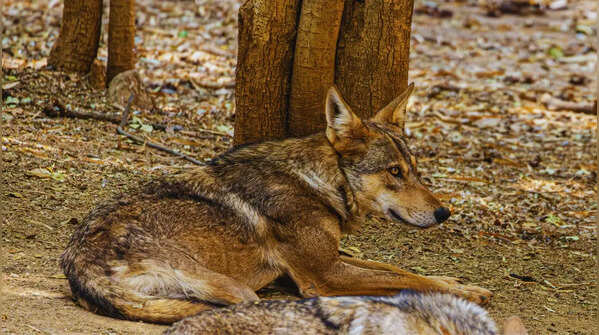
Mahuadanr Wolf Sanctuary in Jharkhand
This is India’s only wolf sanctuary, making it a very important area for conservation. This region lies in the Palamau area and is famous for its grassland plateaus, where wolf dens have been spotted. Recent updates regarding wolf conservation indicate that several wolf packs are still present in this region; however, it remains an under-explored area due to inaccessibility.
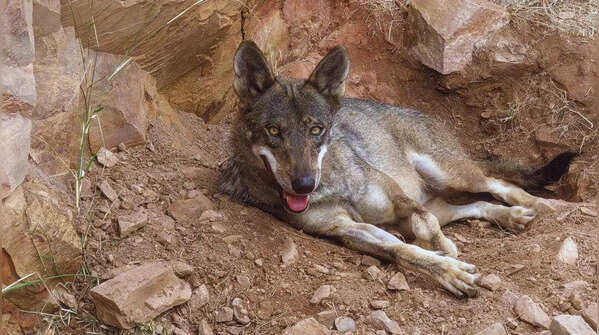
Melkote and Ranibennur region in Karnataka
Recent updates have indicated Karnataka as a region inhabited by Indian wolves. This region includes areas such as Melkote Temple Wildlife Sanctuary and Ranibennur Blackbuck Sanctuary. The Indian wolf spotted in this region is famous for inhabiting open scrubland, where their diet consists of hares and small ungulates.
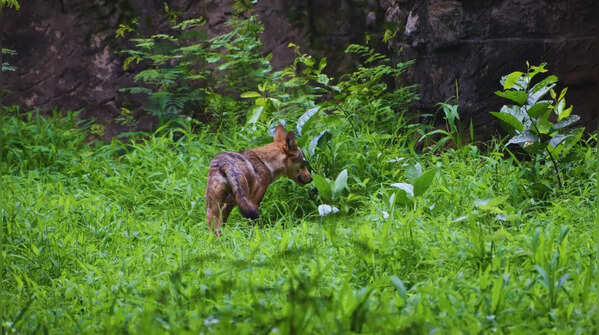
Nauradehi Wildlife Sanctuary in Madhya Pradesh
One of the lesser-known wildlife areas in central India, Nauradehi is slowly coming into focus for its vast expanse of dry deciduous forests and areas of grasslands, which are home to wolves. While there have been no confirmed sightings, the vast expanse of undisturbed land makes for a promising area for them. A safari at dawn or dusk is recommended for a glimpse. It is an offbeat destination, but there is a promise of a renewed ecosystem.
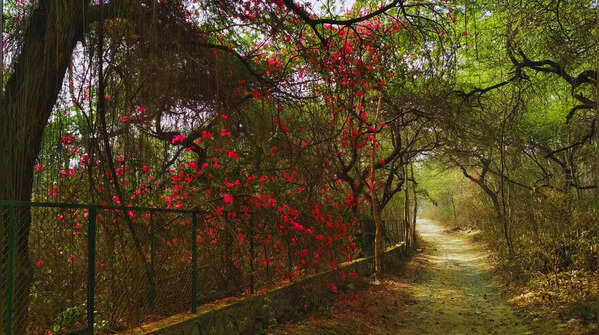
Yamuna Floodplains
In a surprising news update, Indian wolves have been spotted in the vicinity of the Yamuna floodplains in North Delhi, at Palla, twice within a period of time, between 2025 and 2026. These are said to be extremely rare sightings, possibly a return after decades. These could be a pair of dispersing wolves, wandering through fragmented habitats in search of a territory.
Featured In lifestyle

MORE FROM ETIMES
life & style