
- News
- Health News
- Is your sedentary lifestyle making your brain age faster than you think?
Is your sedentary lifestyle making your brain age faster than you think?

Is your brain ageing too fast?
Ageing is measured in years, but the brain does not always follow the calendar. Many people in their 30s and 40s are noticing subtle changes, slower recall, mental fatigue, or even slight tremors, that feel out of place. These signs are easy to dismiss. Work stress, poor sleep, or long screen hours usually take the blame.
A largely inactive lifestyle is reshaping how the brain functions, sometimes making it behave older than it should. What looks like tiredness on the outside may reflect early wear within the brain’s delicate networks.
When stillness starts to show
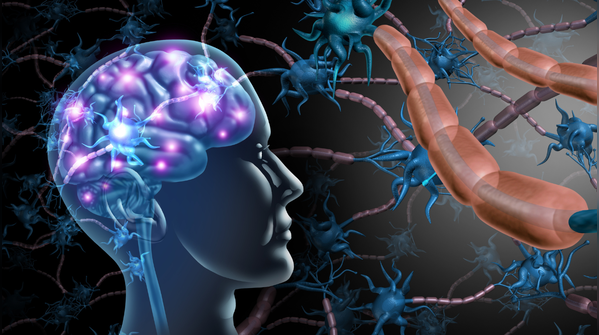
Dr Akash Chheda, Consultant neurologist, Zynova Shalby Hospital Mumbai, points to a growing concern, “Did you know? There is an association between brain and physical inactivity. So, in 30s and 40s, there can be ‘external’ signs of aging seen in a large number of people. Now, aging process might be happening internally, particularly, within the delicate circuitry of the brain.”
This shift is not dramatic at first. It often begins with small lapses, misplacing keys more often, struggling to stay focused, or feeling mentally drained by midday. These are not just lifestyle annoyances. They can signal that the brain is not getting the stimulation it needs to stay sharp.

The dopamine debt no one talks about
At the core of movement lies dopamine, a chemical messenger produced in a region called the substantia nigra. This system keeps movements smooth and thoughts responsive.
Dr Chheda explains it simply, “When people tend to keep moving, exercising on a daily basis then their neurological pathways are stimulated.”
But modern routines tell a different story. Long desk hours, minimal walking, and passive screen time create what can be called a “dopamine debt.” The brain expects movement. When it does not get it, neural pathways begin to slow down.
Over time, this can lead to early signs that resemble neurological conditions like Parkinson’s disease, including tremors, slowed movement, and persistent brain fog. These are not diagnoses in themselves, but they are warnings.

The slow slide of sedentary living
The most concerning part is how quietly this happens. There is rarely a sudden change. Instead, the body and brain adapt to inactivity until the effects become noticeable.
Dr Chheda highlights this shift, “Currently, there is a worrying trend when it comes to neurological symptoms that were once reserved for the elderly are increasingly knocking on the doors of the ‘young-and-active’ workforce.”
A slight tremor after typing all day. A heavy feeling in the limbs. Stiffness that lingers even after rest. These signs often get brushed aside. Yet they can reflect a deeper issue, reduced efficiency in neuro-motor pathways due to lack of stimulation.
Research from the Indian Council of Medical Research and global findings by the World Health Organization have consistently linked sedentary behavior with cognitive decline and higher neurological risk. These are not distant concerns anymore; they are showing up earlier in life.
Can the brain recover? Yes, but it needs action
The brain is not fragile in the way it seems. It is adaptable. It can rebuild and strengthen itself when given the right signals. Movement is one of the strongest of those signals.
Dr Chheda notes, “The good news is that the brain is remarkably ‘plastic’, it has the ability to rewire and repair itself if given the right stimulus.”
Simple changes can make a difference:
Break long sitting periods with short bursts of movement
Engage in balance-based activities like yoga or Pilates
Add brief high-intensity exercises to stimulate brain growth factors
These actions help boost levels of brain-supporting compounds like BDNF, often described as nourishment for brain cells. The effect is not just physical fitness. It is improved coordination, sharper thinking, and better long-term brain health.
Movement is brain fuel, not a luxury
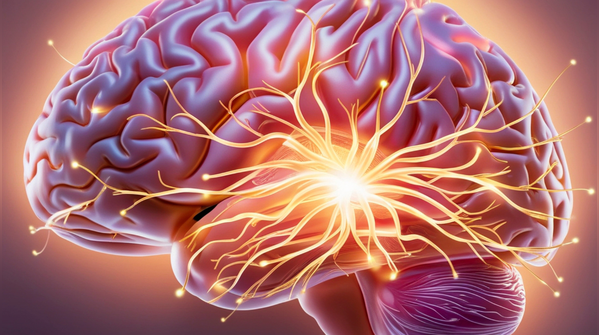
There is a tendency to separate physical fitness from mental health. The two are deeply connected. A body that stays still for too long sends the brain into a slower mode. Over time, that slowdown can become harder to reverse.
As Dr Chheda puts it, “The culprit? It isn’t just genetics. It’s the sedentary ‘modern’ lifestyle that is making our brains older than our birth certificates.”
The takeaway is simple but often ignored: movement is not just about muscles or weight. It is essential input for the brain. Without it, the mind begins to age faster than expected.

What should we learn?
The signs of early brain aging are not always loud. They appear in everyday moments, missed details, slower reactions, or unexplained fatigue. These are not just side effects of a busy life. They can be early signals of a brain that needs more activity.
Staying active is not about intense workouts alone. It is about consistent movement throughout the day. Even small changes can help maintain the brain’s rhythm and resilience.
Medical experts consulted
This article includes expert inputs shared with TOI Health by:
Dr Akash Chheda, Consultant neurologist, Zynova Shalby Hospital Mumbai.
Inputs were used to explain how a sedentary lifestyle may accelerate brain aging by affecting neurological function, and why regular physical activity and medical guidance are important to protect long-term brain health.
Featured In Health

