
- News
- 8 middle-class girlhood memories that still live rent-free in our hearts and how they impact our adulthood
8 middle-class girlhood memories that still live rent-free in our hearts and how they impact our adulthood

8 middle-class girlhood memories
A middle-class upbringing was a lovely mix of little pleasures, hard rules, big dreams, and simple joys. Life was never perfect, but somehow warm and full. We didn’t have everything we wanted, but we learned to love what we had. And even today, some memories instantly take us back to those carefree days.

Waiting for festivals like they were magic
Festivals felt extra special because new clothes only came during special occasions. Buying a dress for Diwali, Eid, Christmas, or a family wedding felt like winning something huge. You would wear that outfit carefully, sometimes even saving it for future events because “good clothes” had to last. And the excitement of matching bangles, clips, or sandals? Pure happiness.

Hand-me-downs were completely normal
An elder sister’s dress becoming your 'new outfit' was a middle-class tradition. Sometimes you loved it; sometimes you quietly wished for something fresh, but eventually, you wore it proudly. A little fitting here, a little stitching there, and suddenly it became yours. Even school bags, story books, and hair accessories often had a second life. Back then, it felt ordinary. Today, it feels strangely comforting.

Pocket money felt like treasure
Getting even a small amount of money felt exciting. You planned everything carefully - whether to buy chips, save for fancy pens, or secretly eat golgappas with friends after school. There was no online shopping or instant spending. Every small purchase felt important. And somehow, ten rupees felt like a lot.

'Don’t waste it' was a life rule
Middle-class homes had one common lesson: nothing should be wasted. Water, food, electricity, notebooks - everything mattered. You probably remember writing on the last page of notebooks, turning off fans immediately, or hearing, 'Finish what’s on your plate.' At that time, it sounded annoying. Later, it quietly became a life habit.

Big dreams in small rooms
Many middle-class girls grew up dreaming big while sharing rooms, study tables, or limited space. There was noise in the house, relatives visiting unexpectedly, and endless distractions. Still, dreams survived. You imagined becoming something important while studying under pressure, balancing family expectations and personal hopes. And maybe that is what made middle-class girls quietly strong.

Strict parents, endless care
Life came with rules.
'No staying out late.'
'Focus on studies.'
'Don’t talk too much on the phone.'
At times, it felt frustrating. But hidden beneath those rules was care, protection, and silent sacrifice. Parents often said 'no' to themselves so they could say 'yes' to their children. We understood this much later.
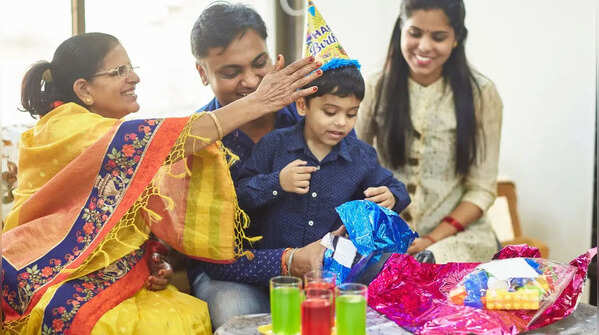
Birthday celebrations were small but meaningful
Birthdays were not about huge parties. A homemade cake, samosas, chips, soft drinks, and a few close friends felt enough. Sometimes there were return gifts; sometimes there were not. But the joy? It felt complete. Simple moments somehow stayed longer in memory.
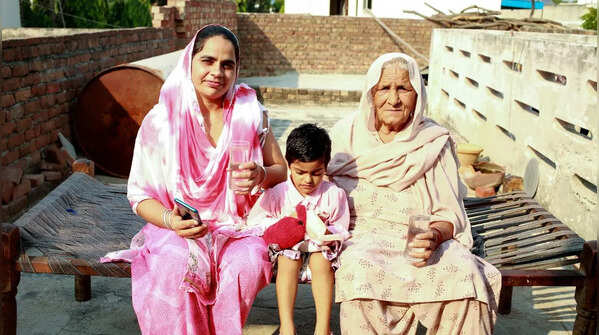
Happiness was found in small things
Middle-class girlhood teaches something important: joy does not always come from expensive things. It came from summer vacations at grandparents’ homes, sharing secrets with cousins, saving wrappers, decorating school projects, watching favourite shows after homework, or eating street food with friends. Life felt slower, simpler, and somehow fuller.

Impact on adulthood
Growing up middle class often teaches lessons that stay long after childhood ends. Those small habits of saving, adjusting, sharing, and waiting quietly shape the adults we become. We learn to stay grounded because we know the value of effort behind every comfort. Spending money becomes thoughtful because we grew up hearing that every rupee matters. Sharing spaces, responsibilities, and celebrations also builds a strong sense of unity, gratitude, and resilience - reminding us that happiness often lives in togetherness, not excess.

The memories that stay forever
Being a middle-class girl was not always easy, but it was meaningful. It taught patience, gratitude, adjustment, and quiet strength. And perhaps that is why even today these little memories make us smile. There is still a bit of that middle-class girl deep within us, dreaming big, saving little joys, finding happiness in the smallest things.
Featured In

