
- News
- City News
- mumbai News
- Why Mumbai's Churchgate–Virar, CSMT–Kalyan routes are being considered for underground shift
Why Mumbai's Churchgate–Virar, CSMT–Kalyan routes are being considered for underground shift
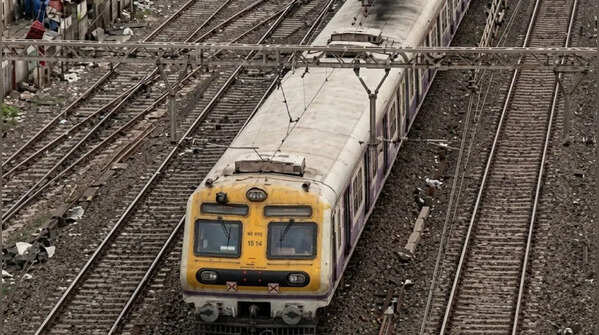
Network nearing saturation
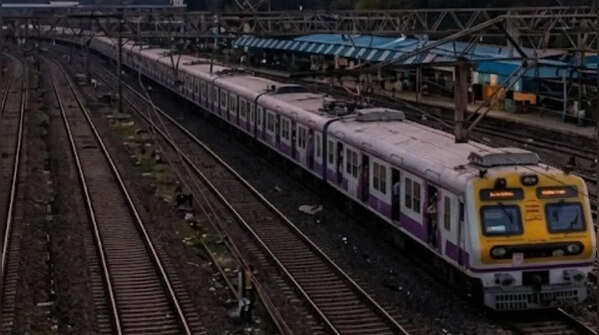
Mumbai’s suburban rail network is reaching a saturation point, with heavily loaded routes like Churchgate–Virar and CSMT–Kalyan struggling to handle rising passenger demand, prompting the need for alternative capacity solutions. (AI image)
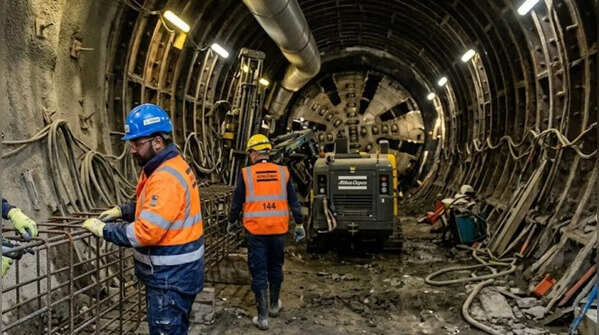
No room for surface expansion
Adding new surface lines has become increasingly difficult due to high land acquisition costs, dense urban development and frequent litigation, making underground corridors a more feasible option. (AI image)
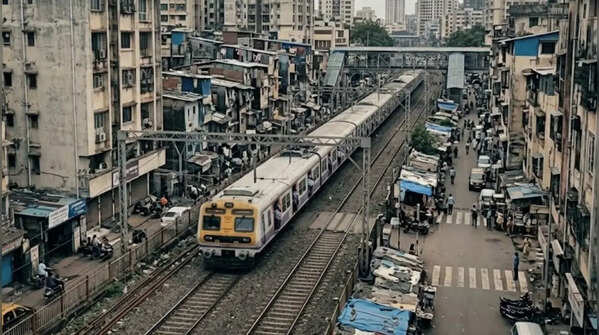
Land and encroachment hurdles
Existing expansion projects often face delays due to land constraints and encroachments. Underground corridors can bypass these issues, making them a practical solution for adding capacity. (AI image)
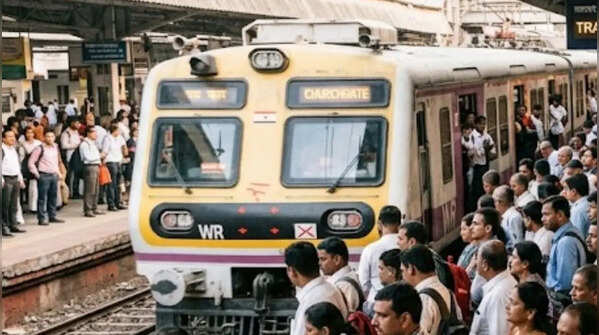
Severe overcrowding pressure
Mumbai’s local trains routinely experience “super-dense crush load”, with up to 16 passengers per sq metre during peak hours, far exceeding global norms and driving the need for decongestion. (AI image)
Proven underground execution
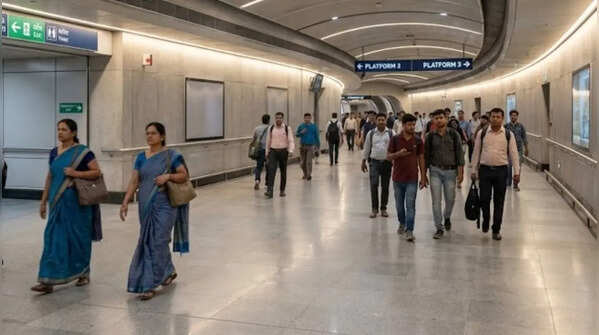
The success of underground Metro projects in Mumbai, including the Aqua Line, has shown that complex tunnelling in dense urban areas is feasible, encouraging similar solutions for suburban rail. (AI image)
Need to separate rail traffic
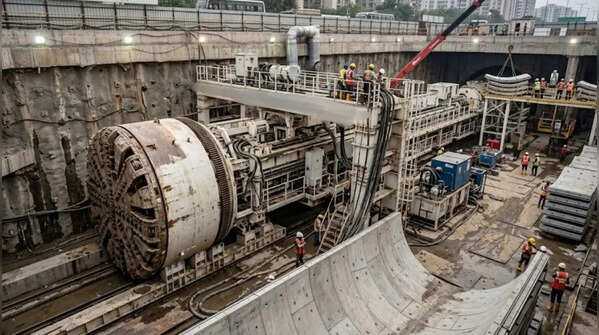
Mixed use of suburban, goods and long-distance trains on the same tracks leads to congestion and delays. Underground corridors can help segregate services and improve overall efficiency. (AI image)
Frequent technical disruptions
Officials noted that technical failures on the existing network often worsen congestion, highlighting the need for a more reliable and modern system with additional capacity. (AI image)
Featured In City

