
- News
- Education News
- News
- Walt Disney once said, “All our dreams can come true, if we have the courage...”: 5 lessons it teaches students
Walt Disney once said, “All our dreams can come true, if we have the courage...”: 5 lessons it teaches students
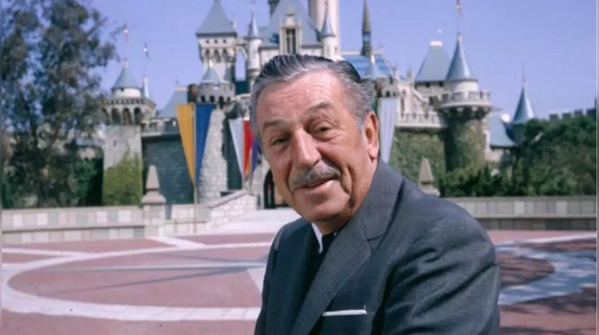
Walt Disney once said, “All our dreams can come true, if we have the courage...”: 5 lessons it teaches students
Walt Disney once said, “All our dreams can come true, if we have the courage to pursue them.”
At first look, the quote reads like mere words about ambition. Yet behind it lies a simple and practical message about how students look at life goals, effort, and failure. For students figuring out examinations, and career choices, the line offers several lessons about what progress actually demands.
Below are five ideas students can draw from it.

Dreams require action, not only imagination
Students are often encouraged to dream about what they want to become. But this quote tells them to also pursue those dreams.
A goal such as becoming a doctor, engineer, or an artist begins with interest. Yet it only moves forward through constant effort. That means attending classes, completing assignments, reading beyond textbooks, and preparing for examinations.
A dream remains an idea unless effort follows it.

Courage matters when the path is uncertain
Walt Disney's quote does not promise that the journey will be easy. Instead, it says courage is the key requirement. Courage in this context does not mean the absence of fear. It means continuing despite uncertainty.
Students face many moments where courage is required. Choosing a field of study, moving to a new city for education, speaking up in class or attempting a competitive exam can all feel risky. There is always the possibility of failure.
Yet courage allows students to move forward even when the outcome is unclear. Without that step, many opportunities remain unexplored.

Failure is part of pursuing a dream
The idea that dreams can come true sometimes creates the impression that success will follow. In reality, most journeys involve setbacks. Exams may not go well, applications may be rejected, and already existing plans may need revision.
Pursuing a dream means accepting these outcomes as part of the process.
History shows that many successful individuals experienced repeated failures before reaching their goals. The quote encourages persistence rather than perfection.

Personal responsibility shapes outcomes
Another message within the quote is the role of personal responsibility. The sentence does not say that dreams will automatically come true. It says that they can come true if a person chooses to pursue them.
Students cannot control every factor in their environment. However, they can control their preparation, discipline and willingness to keep learning.
Taking responsibility for progress helps students develop independence. Over time, this mindset becomes important not only in academics but also in professional and personal life.

Dreams require patience
Many students expect results within a short period of time. However, most meaningful achievements require patience.
Pursuing a dream may involve years of preparation. A student preparing for a competitive examination, building a particular career or developing a creative skill may spend long periods without visible success.
Patience allows students to continue during these phases. It helps them focus on long term goals rather than immediate recognition. The quote indirectly highlights this idea because courage and persistence must be sustained over time.
Featured In Education

