
- News
- etimes
- animals-pets
- Deadliest female animals you should fear more than the males
Deadliest female animals you should fear more than the males
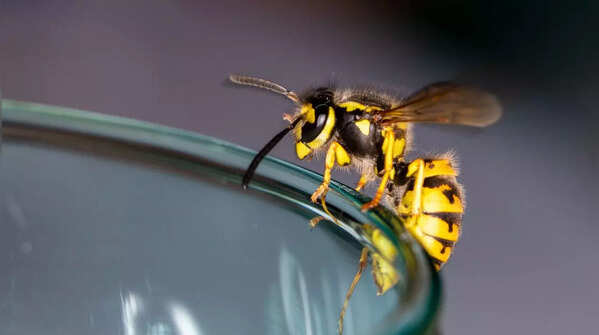
Bees and Wasps
Female bees and wasps are the real defenders. Only females can sting, because stingers are modified egg-laying organs. Males do nothing in defence. Females guard nests, food, and colonies with extreme vigilance. Their sting delivers venom and drive to survive is relentless. Insect colonies function thanks to female determination, aggression, and lethal efficiency.
(PC: Canva)
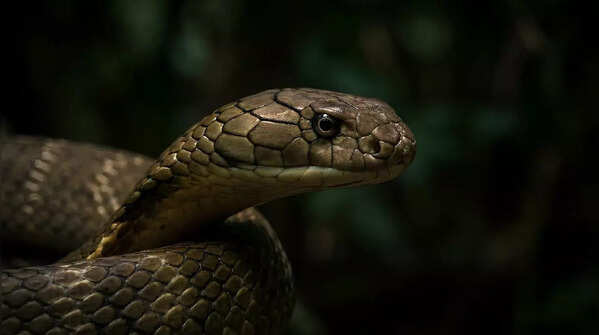
Female King Cobra
The female king cobra is long, deadly, and protective. She builds nests for her eggs, a rare trait among snakes. Venom is powerful enough to kill 20 humans. Usually calm, she prefers to flee, but when cornered or guarding her eggs, she strikes. Her patience, size, and defence instincts make her a dangerous predator. The female king cobra reminds us that protection can be just as deadly as aggression.
(PC: Canva)
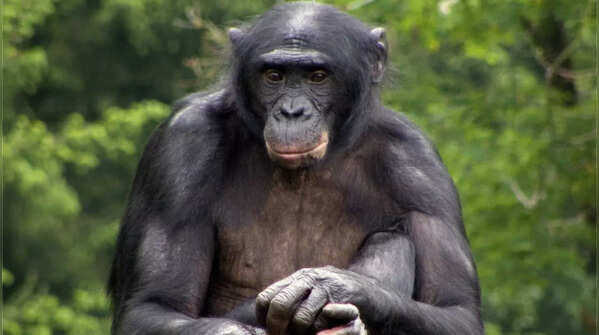
Bonobo
Bonobo females run the show. In their matriarchal society, females form coalitions to protect, defend, or punish males. Aggressive males are attacked and sometimes seriously injured. They coordinate, communicate, and intimidate when needed. Despite their reputation for sexual play and relaxed behaviour, females are powerful. They control resources, access to mates, and often determine the peace or conflict within the troop.
(PC: Wikipedia)
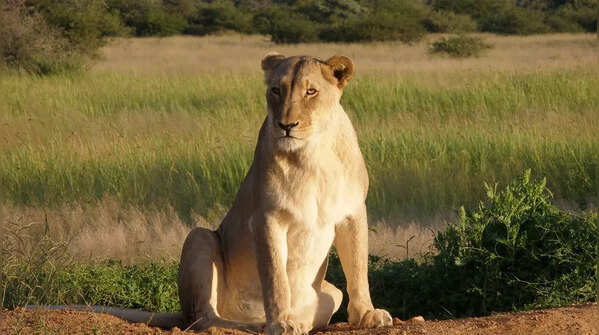
Lioness
The lioness is the pride’s true hunter. She coordinates with others, using speed and stamina to bring down large prey like wildebeest and zebra. Males may get the title “king,” but females do most of the work. Protecting cubs, hunting efficiently, and moving silently across the savannah, she dominates the land. While males are flashy, females carry survival on their shoulders. Lionesses are fearless. They strike fast, sometimes even fighting off humans if necessary. The pride thrives because of her. She proves that power isn’t always obvious but deadly all the same.
(PC: Wikipedia)

Meerkat
The female meerkat hides a dark secret. Though small and cute, she is ruthless. A matriarch will bully other females, kill or eat pups that aren’t hers, and banish mothers. Her aggression is driven by survival and dominance. Only she gets to breed in the clan. Others are forced to help raise her pups. Testosterone, size, and sheer willpower give her an edge.
(PC: Wikipedia)
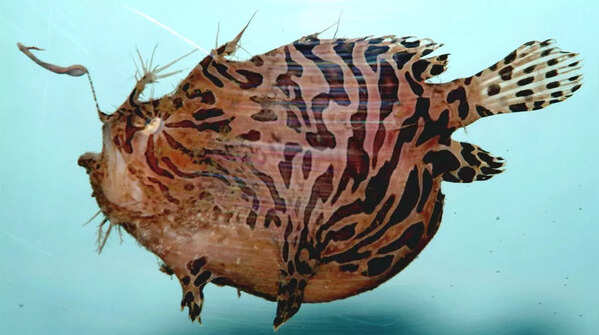
Anglerfish
Deep in the ocean, the female anglerfish rules. Tiny males exist only to find her and fuse with her body, becoming parasitic appendages. She hunts with a glowing lure, attracting prey in pitch darkness. Her teeth are sharp, her movements calculated. Unlike her male, she provides sustenance and ensures survival. Her bioluminescent method is effective, patient, and precise. Deep-sea predators often underestimate her.
(PC: Wikipedia)
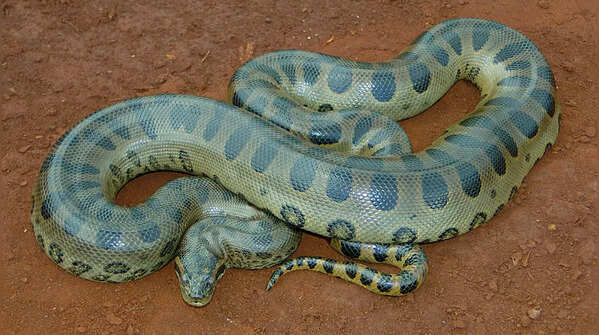
Green Anaconda
The female green anaconda is massive. She dwarfs males in size and weight. During mating, she may gather multiple males in a “mating ball,” lasting weeks. Some males don’t survive. She fasts for months while gestating, giving birth to 20–30 live young. Her size and strength make her one of the most powerful snakes in the world. She is patient, ambushing prey and striking at the right moment.
(PC: Wikipedia)
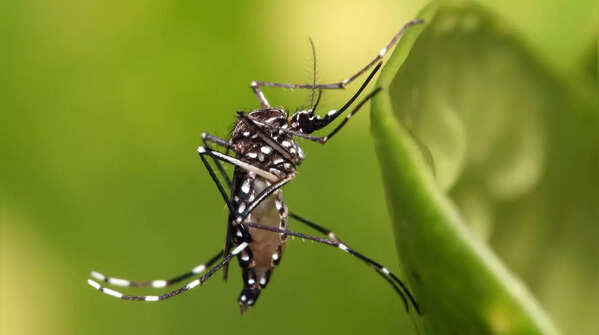
Female Mosquito
Tiny but lethal, the female mosquito is responsible for more human deaths than almost any other animal. Unlike males, she feeds on blood to produce eggs. This is how diseases like malaria, dengue, and Zika spread. Over 600,000 people die from malaria every year, mostly due to her. She doesn’t bite to kill, but humans often pay the price. Her danger comes not from size, but from what she carries. The female mosquito shows that even the smallest creatures can be deadly.
(PC: Wikipedia)
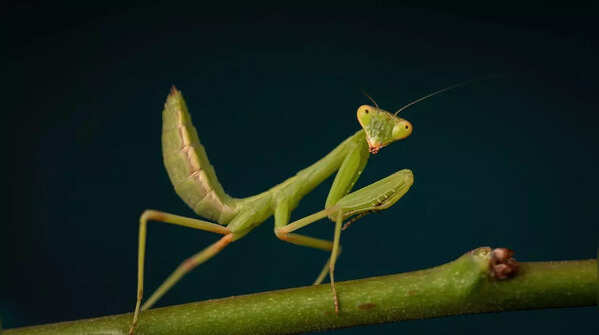
Praying Mantis
The praying mantis is another lethal lady. The female is larger than the male, often eating him during or after mating. Her focus is survival and reproduction. She will die shortly after laying eggs, leaving her offspring to fend for themselves. Despite her delicate posture and prayer-like stance, she is a predator. Strong, patient, and precise, she hunts insects with lightning reflexes. Nature can be brutal. She is tiny but terrifying when she decides it’s time to feed.
(PC: Wikipedia)
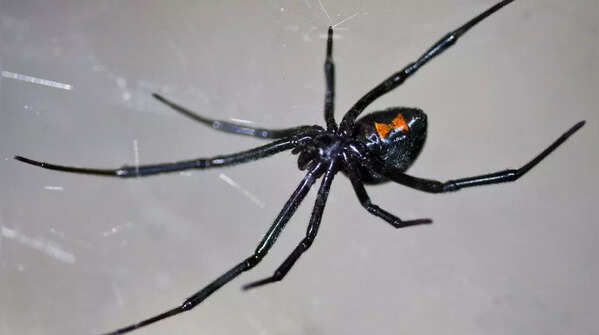
Black Widow Spider
The female black widow spider is infamous. That red hourglass on her black body is a warning. Males often don’t live long after mating. Experts say it’s partly for nutrition to help eggs develop. Males have tricks, like gifts or playing dead, but survival isn’t guaranteed. The female is small, yet her bite can be serious. Nature seems to have designed her as both mate and predator. Fast, patient, and deadly, she is a reminder that size isn’t everything in the world of spiders.
(PC: Wikipedia)
Featured In etimes

