
- News
- Health News
- 5 urine changes that could signal early kidney damage (don’t ignore these signs)
5 urine changes that could signal early kidney damage (don’t ignore these signs)
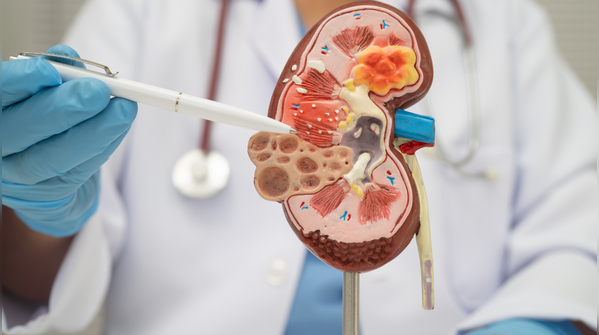
How to detect kidney health issues just by the changes seen the urine
Urine rarely lies. It reflects what the kidneys are doing every minute of the day. These two bean-shaped organs filter nearly 150-180 litres of blood daily, removing toxins and balancing fluids. When something goes off track, the earliest hints often show up in the toilet bowl, not in a blood test.
Dr Bhati Singh Bhoopat, urologist at Ruby Hall Clinic, explains that small, repeated changes in urine should never be brushed aside. They are often the body’s first warning system. Dr Varun Mittal from Artemis Hospitals adds, “One of the first and most obvious signs that kidneys aren't working right is often seen in your urine.”
Understanding these signals can mean the difference between early care and late complications.

Foam that lingers is not harmless
A few bubbles after urinating can be normal. But thick foam that stays, like soap lather or beer froth, is different.
Dr Bhoopat notes, “When you have foamy urine that appears similar to eggs being fried or a head of froth in beer… it normally signifies proteinuria.”
This happens when kidney filters become weak and allow protein to leak into urine. Protein is meant to stay in the bloodstream, so its presence in urine is an early red flag.
Dr Mittal reinforces this: “If it has foam all the time it could be a sign of too much protein leaking into the urine.”
You’re fasting for fitness and weight loss: But doctors are now asking if your heart is paying an unseen price
When colour shifts, something is off
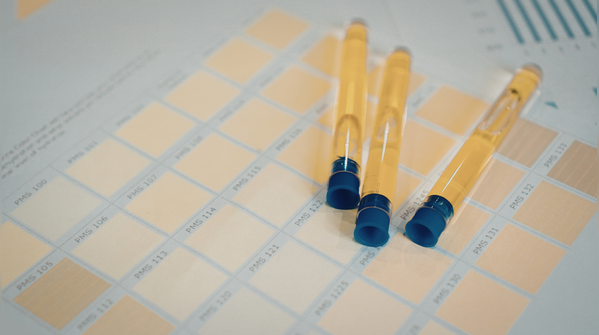
Healthy urine is pale yellow. Anything outside that range deserves attention.
Dr Mittal explains, “If your urine is dark yellow, brown, red and even cloudy it could mean something is wrong.”
A reddish or cola-like shade may point to blood. Dr Bhoopat says, “When the filters become dysfunctional, red blood cells pass into the urine.”
Dark urine can also signal dehydration or toxin buildup. Cloudiness may hint at infection or poor filtration.

Frequent night visits that disrupt sleep
Waking up once in the night is common. But repeated trips can be a sign worth noting.
Dr Bhoopat explains, “If you have started visiting the bathroom frequently during the nighttime, your kidney filters might be damaged.”
When kidneys lose their ability to concentrate urine, the body produces more diluted urine, leading to frequent urination. Over time, this can disrupt sleep and signal early kidney strain.

Cloudiness and smell: subtle but serious clues
Cloudy urine is often dismissed as temporary. But if it persists, it may suggest deeper trouble.
Dr Bhoopat notes that ongoing cloudiness could mean waste is not being cleared properly.
Then comes the smell. A sharp, ammonia-like odour can point to toxin buildup.
“Once the kidneys lose their efficiency… toxins get accumulated, giving urine a foul smell of ammonia,” he explains.
Dr Mittal adds, “A strong or unusual odor could mean infection or too much waste in your body.”

Pain, burning, and blood should never be ignored
Pain while urinating is not just discomfort, it is a signal.
Dr Mittal explains, “Infections and inflammation may be the cause of pain, discomfort and a burning sensation.”
If such episodes keep returning, they can move beyond the bladder and affect the kidneys.
Even more serious is blood in urine. “It’s not normal to have even a little blood,” he adds. This may indicate stones, infection, or kidney disease.

What can be done before it’s too late
The reassuring part is that early kidney damage can often be slowed or prevented.
A few habits make a measurable difference:
Drink enough water through the day
Keep salt and processed food intake in check
Manage blood sugar and blood pressure
Avoid overuse of painkillers
Get routine urine and blood tests
A simple question often comes up: should every change be worrying? Not always. But repeated or persistent changes deserve attention. Early consultation can prevent long-term damage.
The body speaks in small ways
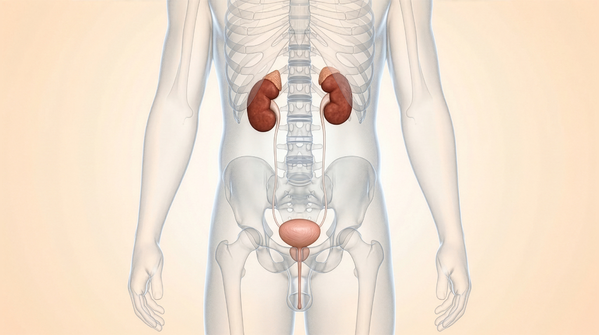
Kidney problems rarely begin with pain. They begin quietly, often through urine. Foam, colour shifts, smell, frequency, each one is a signal, not a coincidence.
As these doctors underline, noticing these changes early can help catch disease before it progresses. Ignoring them, on the other hand, allows silent damage to build over time.
Medical experts consulted
This article includes expert inputs shared with TOI Health by:
Dr Varun Mittal, Head - Kidney Transplant & Associate Chief - Uro-Oncology & Robotic Surgery (Unit I), Artemis Hospitals.
Dr Bhati Singh Bhoopat, General Surgery, Urologist, Ruby Hall Clinic.
Inputs were used to highlight how subtle changes in urine can serve as early warning signs of kidney damage and why paying attention to these symptoms and consulting a doctor is essential for timely diagnosis and care.
Featured In Health

