
- News
- Health News
- Normal BP but frequent headaches? Cardiologist explains hidden hypertension warning signs and why regular monitoring is key to preventing heart disease
Normal BP but frequent headaches? Cardiologist explains hidden hypertension warning signs and why regular monitoring is key to preventing heart disease

When “normal” blood pressure may not tell the full story
Most people feel reassured when a routine health check shows normal blood pressure. It appears like a green signal for heart health. But doctors often warn that one normal reading does not always reveal what the body is experiencing throughout the day.
Some people continue to suffer from repeated headaches even when their blood pressure seems perfectly normal during a clinic visit. This can feel confusing and even frustrating. The truth is that blood pressure is not a fixed number. It changes through the day depending on stress, sleep, physical activity, diet, and even emotions.
In certain cases, people develop a condition known as masked hypertension. In this situation, blood pressure may appear normal during a doctor's visit but rise significantly during daily life. Over time, these hidden spikes can stress the heart, damage blood vessels, and increase the risk of heart disease.
Cardiologists say that frequent headaches, especially when they appear without a clear reason, may sometimes be a clue that the body is struggling with these fluctuations.

What is masked hypertension and why does it happen?
Masked hypertension is often described as the silent opposite of "white coat hypertension." In white coat hypertension, blood pressure rises at the doctor’s clinic due to anxiety. In masked hypertension, the opposite occurs: the reading appears normal in the clinic but rises during everyday life.
According to Dr Geetesh Govil, Consultant, Cardiology, Manipal Hospital, Ghaziabad, this condition can quietly damage the body if ignored, “Many people think that if their blood pressure tests appear normal during a routine check-up, they are safe from hypertension-related problems. However, doctors warn that some people may experience symptoms linked to fluctuating or hidden high blood pressure, for which the most commonly ignored signs is unexplained headaches. This is ‘masked hypertension’ which causes painful headaches even when a test shows normal. If blood pressure rises and falls throughout the day, the body is not healthy and is hypertensive. Ignoring these shifts leads to permanent internal damage.”
Several everyday factors may trigger these hidden fluctuations. High stress levels, poor sleep, excess salt intake, obesity, smoking, and sedentary habits can all contribute. Even people who appear healthy may develop these changes slowly over time.
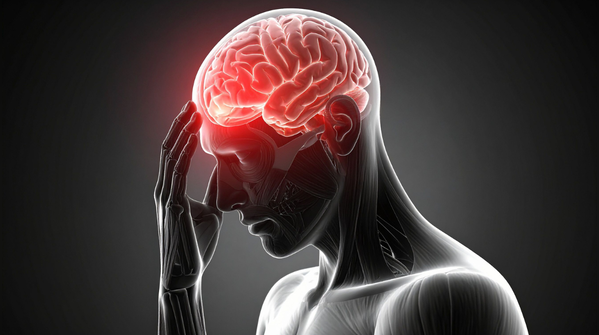
Why headaches can appear even when BP looks normal
Headaches linked to blood pressure changes often feel different from typical tension headaches. They may appear early in the morning or feel heavier at the back of the head.
When blood pressure rises suddenly, it increases pressure inside the blood vessels of the brain. This can lead to pain signals that appear as headaches. In masked hypertension, these spikes may happen at night, during stress, or after heavy meals.
This is why someone may experience headaches regularly but still show a normal reading during a clinic visit.
Research supported by the National Institutes of Health (NIH) has shown that blood pressure variability itself can raise cardiovascular risk, even when average readings appear normal.
In simple words, it is not just the number that matters. The pattern of blood pressure through the day matters just as much.

Warning signs the body may be giving
The body often sends signals when blood pressure is fluctuating more than it should. These signs are easy to ignore because they may seem mild at first.
Heavy morning headaches
Waking up with a dull pain at the back of the head can mean blood pressure stayed high during sleep.
Blurry or disturbed vision
Seeing small dark spots or temporary blurriness may occur when blood pressure begins affecting the delicate blood vessels of the eyes.
Breathlessness during simple activity
Feeling short of breath while climbing stairs or walking quickly may signal that the heart is under extra strain.
Unusual tiredness
Constant fatigue despite proper sleep may occur when the heart has to work harder to push blood through stiff vessels.
These symptoms are not always dramatic. But when they appear repeatedly, they deserve attention.

Why regular monitoring is more important than one test
Blood pressure is highly dynamic. It rises and falls many times during the day.
A single clinic reading captures only a few seconds of this pattern. That means it may miss the larger picture. Regular monitoring at home helps reveal how blood pressure behaves during daily life.
Doctors often recommend 24-hour ambulatory blood pressure monitoring, a test that records readings throughout the day and night. This helps detect hidden spikes that routine check-ups may miss.
Early detection allows doctors to intervene before damage occurs.

What happens if hidden hypertension is ignored
When blood pressure fluctuates frequently, the damage often develops silently.
Over time, arteries may become stiff. The heart muscle can thicken because it has to pump harder. Blood vessels in the brain, kidneys, and eyes may slowly weaken.
This is why hypertension is often called a silent disease. Many people discover it only after complications appear.

Simple habits that help protect heart health
Doctors say prevention remains the most powerful tool.
Regular physical activity improves blood vessel flexibility. Reducing salt intake helps maintain stable blood pressure levels. Quality sleep and stress management also play a major role in keeping blood pressure steady.
Monitoring blood pressure at home once or twice a week can also help detect unusual patterns early. If headaches continue despite normal readings, medical evaluation becomes essential.
Sometimes, small lifestyle changes combined with early monitoring can prevent major heart complications later.

The bigger message: listen to the body
Health signals rarely appear without reason. Frequent headaches, unusual fatigue, or breathlessness may seem minor at first, but they can carry deeper meaning.
Blood pressure is not just a number recorded during a check-up. It is a moving reflection of how the heart and blood vessels respond to daily life.
Listening to these signals and checking regularly can make the difference between early prevention and late diagnosis.
Medical experts consulted
This article includes expert inputs shared with TOI Health by:
According to Dr Geetesh Govil, Consultant, Cardiology, Manipal Hospital, Ghaziabad.
Inputs were used to explain how people may experience frequent headaches even when blood pressure readings appear normal, highlighting the warning signs of hidden hypertension and why regular monitoring and timely medical consultation are important to prevent serious heart complications.
Featured In Health

