
- News
- Health News
- Silent bone loss can begin after 30 in women: Doctors explain why it happens and the simple steps that can help keep bones strong
Silent bone loss can begin after 30 in women: Doctors explain why it happens and the simple steps that can help keep bones strong
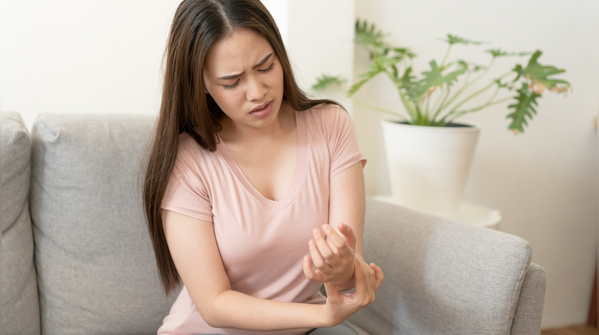
Silent bone loss after 30: A change that begins quietly
Bone health rarely feels urgent in the 20s. Most people assume weak bones are a problem of old age. Yet doctors say the decline can begin much earlier, often in the early 30s.
The concern is not dramatic at first. There is usually no pain, no visible sign, and no sudden weakness. Bone loss develops slowly, year after year. By the time many women notice it, the damage may already be significant.
Orthopaedic experts say the choices made in the 30s often shape bone health decades later. Diet, sunlight, exercise, and hormonal health all play a role. When these factors are ignored, bones may gradually lose density and strength.
What does research say?
According to the National Institutes of Health, peak bone mass is usually reached by the late 20s, after which bone remodeling slowly shifts toward loss rather than gain.
Here’s why this happens is the first step to protecting long-term bone strength.
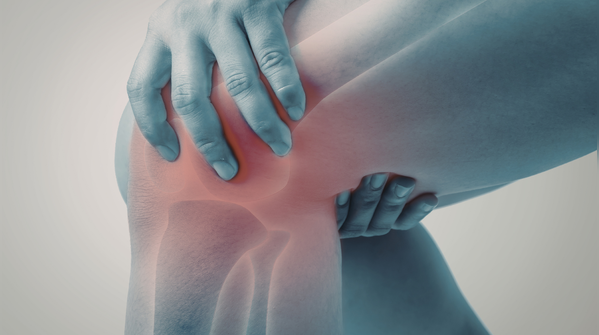
Why bone loss often begins in the early 30s
Bones are living tissues. They constantly break down and rebuild themselves. In childhood and early adulthood, the body builds bone faster than it breaks it down. This helps people reach their peak bone mass.
After the early 30s, the balance slowly changes. Bone breakdown begins to outpace bone formation. The shift is gradual, which is why many women never notice it.
Dr Sanjib Kumar Behera explains the common misunderstanding seen in clinics, “One of the biggest misconceptions I see in my clinic is that bone loss is something that happens suddenly later in life. In reality, the process begins gradually after the early 30s. Women may not notice anything at all, which is why we sometimes call it a silent decline.”
The modern lifestyle has also changed how people live and move. Work is often sedentary. Sun exposure is limited. Diets sometimes lack key nutrients.
Over time, these habits may quietly weaken bone structure.
Why women are more vulnerable to bone loss
Women face a unique biological challenge when it comes to bone health. Hormones play a major role in maintaining bone density, especially estrogen.
When estrogen levels fluctuate or decline, bones may lose minerals faster. This makes women more prone to osteoporosis later in life.
Dr Kundan Kumar Jha highlights the importance of the years after 30, “In orthopaedics, we often say bones reflect the lifestyle you follow in your younger years. For women, the decade after 30 is particularly important because this is when bone density slowly begins to decline.”
The worrying part is the lack of early symptoms.
“The change is usually subtle. There’s no pain or warning sign at first. Many women only become aware of weak bones much later, sometimes after a fracture. That’s why prevention matters so much.”
Data from the UK NHS shows osteoporosis overview also notes that women experience a faster decline in bone density, especially after hormonal changes later in life.
This is why experts say prevention must begin years earlier.
Lifestyle habits that quietly weaken bones
Modern routines often reduce natural movement and sunlight exposure. Both are essential for bone health.
Dr Sanjib Kumar Behera notes that daily habits have changed dramatically, “Our modern lifestyles play a role. Many women today spend long hours sitting, working indoors, and getting very little sun exposure. Over time, this can affect vitamin D levels and bone strength.”
Vitamin D helps the body absorb calcium. Without it, bones struggle to maintain density.
Sedentary routines can also affect bone remodeling. Bones strengthen when they are used and loaded with weight. When the body remains inactive for long periods, bones may slowly lose density.
Even restrictive diets or low-protein eating patterns can contribute to weaker bones over time.
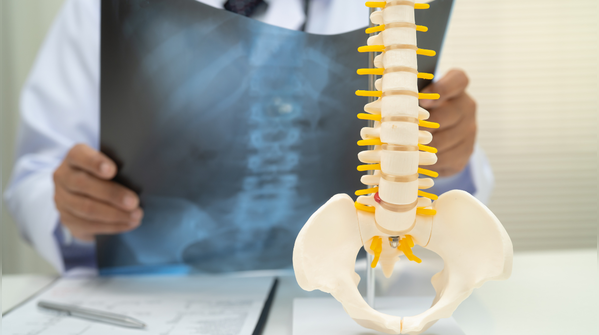
Hidden health conditions that may affect bone strength
Not all bone loss comes from lifestyle. Some medical conditions can also weaken bones earlier than expected.
Dr Brahmaraju T J explains that several underlying issues may influence bone health in younger women.
“Many women assume bone health becomes a concern only after menopause, but the changes often begin much earlier. In fact, I frequently see women in their 30s with early signs of declining bone density, even though they feel perfectly healthy.”
Certain health conditions can increase the risk, including:
Hormonal disorders such as PCOS
Early menopause
Thyroid problems
Diabetes
Inflammatory bowel disease
Eating disorders
Life stages such as pregnancy and breastfeeding can also increase calcium requirements.
Dr Brahmaraju adds, “Apart from lifestyle habits, certain health conditions can also affect bone strength in younger women… These situations need proper medical attention so bone loss can be prevented early.”
Doctors often recommend screening when risk factors exist.
“If risk factors are present, a bone density test and vitamin D screening can help detect problems early.”
The everyday habits that strengthen bones
The encouraging news is that bones respond well to healthy habits.
Exercise plays a powerful role in bone strength. Activities that make the body carry its own weight help stimulate bone formation.
Dr Sanjib Kumar Behera explains, “Regular physical activity is one of the best protections for bone health. Exercises that make the body carry its own weight—walking, jogging, dancing, or strength training—encourage bones to stay dense and resilient.”
Dr. Kundan Kumar Jha also stresses the importance of movement.
“Women should think beyond supplements. Tablets alone won’t build strong bones. Movement is essential. Activities like strength training, yoga, or even regular stair climbing help stimulate bone formation.”
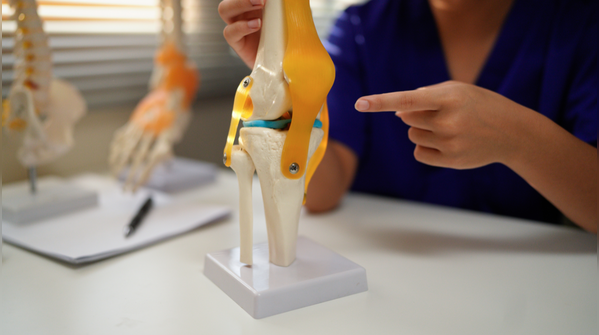
Daily habits that support stronger bones include:
Regular sunlight exposure
Calcium-rich foods such as dairy, sesame, leafy greens
Adequate protein intake
Weight-bearing exercise
Maintaining a healthy body weight
Why the 30s are the most important decade for bone investment
Many health experts call the 30s the “investment phase” for bone health. The body may not build new peak bone mass after this stage, but it can preserve what already exists.
Dr Behera puts it simply, “Your 30s are the time to invest in bone health, and simple steps like regular sunlight, calcium-rich foods, and resistance exercise help maintain bone strength.”
Dr Jha also emphasises small daily routines, “Small daily habits—good nutrition, physical activity, and outdoor time—are the foundation for lifelong bone health.”
These habits may seem ordinary, but they protect the skeletal system over decades.
Even simple routines such as morning walks, stretching, and climbing stairs can quietly build resilience.

A reminder from doctors
The human skeleton constantly rebuilds itself. Every step taken, every muscle movement, and every nutritious meal influences how strong bones remain in the future.
Doctors often remind patients that prevention begins long before symptoms appear.
Bone health follows the same truth. Protecting it early can prevent years of struggle later.
Medical experts consulted
This article includes expert inputs shared with TOI Health by:
Dr Sanjib Kumar BEHERA, Clinical Director & HOD, Dept. of Orthopaedic and Joint replacement surgery, CARE Hospitals, Banjara Hills, Hyderabad.
Dr Kundan Kumar Jha, Consultant-Sports injuries and Joint Replacement Surgeon, Arete Hospitals.
Dr Brahmaraju T J, Sr Consultant - Orthopaedics & Joint Replacement Surgery, Gleneagles BGS Hospital, Kengeri Bengaluru.
Inputs were used to explain why bone loss can begin silently after the age of 30 in women, highlighting key risk factors and the preventive steps, such as proper nutrition, lifestyle changes, and timely medical guidance, that can help strengthen bones and maintain long-term bone health.
Featured In Health

