
- News
- Health News
- Stomach feels tight after a normal meal? Gastroenterologists explain why digestion can slow down and share simple habits that help ease post-meal bloating
Stomach feels tight after a normal meal? Gastroenterologists explain why digestion can slow down and share simple habits that help ease post-meal bloating
Why your stomach feels tight after a normal meal: Doctors explain the hidden gut slowdown
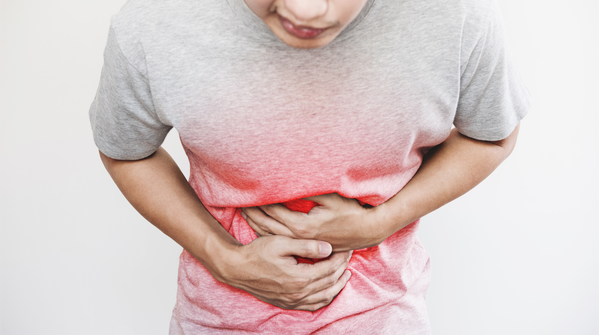
Many people finish a normal meal and suddenly notice something uncomfortable: the stomach feels tight, stretched, or unusually full. It can happen even when the portion size was reasonable. Some describe it as pressure in the abdomen, others as bloating or heaviness that lingers for hours.
Doctors say this sensation is more common than people think. The stomach is designed to expand and process food gradually, but several everyday factors can disturb this rhythm. The result is a feeling that the stomach is firm, swollen, or slow to settle after eating.
Here’s all we need to know why this happens can help people respond calmly and make small changes that improve digestion over time.
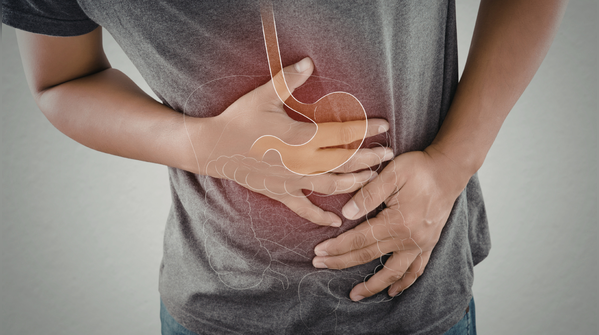
Why the stomach naturally stretches after a meal
The stomach is not a rigid organ. It expands like a flexible pouch when food enters, then slowly contracts to move the contents into the small intestine.
Doctors say this stretching is a normal part of digestion.
Dr Adarsh C K explains, “A feeling of tightness in the stomach after a normal meal is something many patients describe in the clinic. Quite often, the quantity of food is not the real issue. The digestive system naturally stretches a little when food enters the stomach, but in some people that normal stretch is felt much more strongly.”
In certain individuals, the body interprets this normal expansion as discomfort instead of a neutral sensation. That difference often explains why one person feels fine after a meal while another feels bloated.
The gut–brain connection may amplify the sensation
Digestion is closely linked with the nervous system. Signals constantly travel between the gut and the brain.
Dr Adarsh C K explains that sensitivity in this communication system can change how the body interprets digestion.
“The gut and brain are closely connected through a complex network of nerves. If this system becomes overly sensitive, ordinary digestive activity may begin to cause discomfort. Even the gas formed while food is being broken down can then feel like pressure building in the abdomen.”
In simple terms, the digestive system may be working normally, but the nerves interpret those signals more intensely.

When digestion slows down inside the stomach
Another reason for post-meal tightness is slower gastric emptying. This means the stomach takes longer to move food forward into the intestine.
Dr Akash Chaudhary explains, “People sometimes come in saying their stomach feels tight or unusually full after eating a meal that normally wouldn’t cause any trouble. Quite often the explanation lies in the pace of digestion. The stomach is designed to slowly break food down and pass it into the small intestine in a controlled way. When that process slows, food simply sits there longer than it should.”
When food remains in the stomach for longer periods, several symptoms may appear:
heaviness in the upper abdomen
repeated belching
mild nausea
a firm or stretched feeling in the stomach
“It does not necessarily mean that too much food was eaten; it may simply mean the gut is moving at a slower rhythm,” he adds.

Small daily habits that quietly cause post-meal bloating
Doctors say lifestyle patterns often explain recurring stomach tightness. These habits may seem harmless but can change how digestion works.
Dr Adarsh C K points out several common triggers, “Eating too quickly, swallowing excess air while talking during meals, or consuming foods that ferment easily in the intestine can increase gas formation. Remaining seated for long periods after eating may slow the natural movement of the gut as well.”
Common triggers include:
rushing through meals
large gaps between meals
high-gas foods such as beans or carbonated drinks
stress while eating
sedentary routines
These factors do not damage the stomach immediately. But over time they can make digestion feel heavier and less comfortable.
Stress and modern routines may slow the digestive rhythm
The digestive system responds strongly to stress. When the body is tense, it often shifts energy away from digestion toward the “fight or flight” response.
Dr Chaudhary highlights this connection, “Long gaps between meals, eating very quickly, stress, poorly controlled blood sugar in people with diabetes, and certain medications can all affect how the stomach muscles contract. Very sedentary routines may also play a role because gentle movement helps stimulate digestion.”
This explains why the same meal may feel comfortable on a relaxed day but heavy on a stressful one.
Gentle habits that help digestion feel easier
Doctors say digestion responds surprisingly well to small daily adjustments. These changes allow the stomach to process food at a steady pace.
Dr Chaudhary recommends simple habits, “Smaller meals, walking for a few minutes after food, and staying well hydrated can often make digestion feel much more comfortable.”
Other helpful practices include:
Eat slowly
Taking at least 20 minutes for a meal reduces air swallowing and improves satiety signals.
Pause between bites
This allows the stomach to signal fullness naturally.
Take a short walk after meals
Even a 10-minute walk stimulates intestinal movement.
Notice food triggers
Some people react strongly to high-fermentation foods.
Manage stress before meals
Simple breathing or quiet eating environments help digestion.
When recurring tightness should be checked
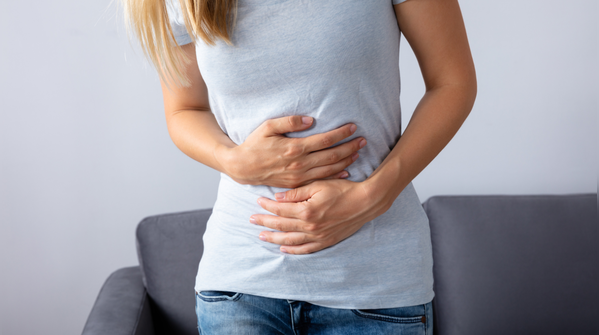
Occasional bloating after meals is usually harmless. But frequent symptoms deserve attention.
Doctors suggest seeking medical advice if tightness appears with:
persistent nausea
unexplained weight loss
severe abdominal pain
vomiting
difficulty swallowing
Dr Adarsh C K emphasises that patterns matter, “When the problem keeps repeating, it is useful to review eating patterns, food triggers, and stress levels. Small changes in how meals are taken often make a noticeable difference.”
Early evaluation helps rule out underlying digestive conditions and provides guidance tailored to each person’s routine.
Medical experts consulted
This article includes expert inputs shared with TOI Health by:
Dr Adarsh C K, HOD & Sr Consultant - Medical Gastroenterology, Hepatology & Advanced Endoscopy, Gleneagles BGS Hospital, Kengeri.
Dr Akash Chaudhary, Clinical Director and Sr. Consultant Medical Gastroenterology, CARE Hospitals, Banjara Hills, Hyderabad.
Inputs were used to explain why some people experience stomach tightness or bloating after a normal meal, the common digestive factors that can slow down digestion, and the simple lifestyle habits gastroenterologists recommend to help ease post-meal discomfort.
Featured In Health

