
- News
- Health News
- Think it’s just high BP? These 5 alarming symptoms could point towards underlying diabetes too
Think it’s just high BP? These 5 alarming symptoms could point towards underlying diabetes too
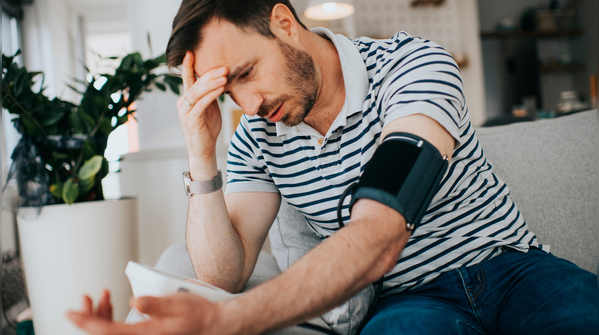
Signs your hypertension might be linked to diabetes
High blood pressure and diabetes often walk into a person’s life. There may be no dramatic warning at first. No sharp pain. No sudden collapse. Yet, over time, these two conditions can slowly damage the heart, kidneys, eyes, brain, and blood vessels together.
Doctors across India are now seeing a worrying pattern. Younger adults who spend long hours sitting, sleep poorly, eat highly processed food, and live under constant stress are increasingly showing signs of both hypertension and blood sugar imbalance at the same time. What makes the combination dangerous is that one condition can silently worsen the other.
According to the Indian Council of Medical Research (ICMR)-INDIAB study, hypertension and diabetes are strongly linked with obesity, physical inactivity, and unhealthy lifestyle patterns in India. The study also found a large number of undiagnosed cases across both urban and rural populations.
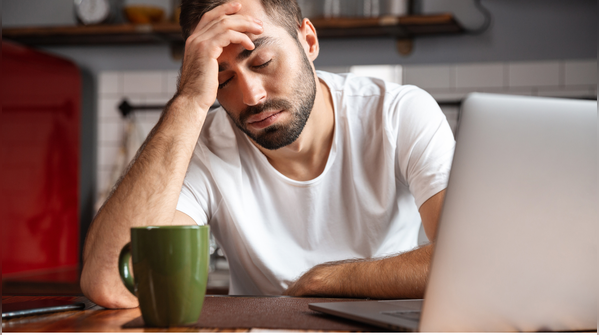
Persistent headaches that keep coming back
Many people dismiss recurring headaches as stress, screen fatigue, or lack of sleep. But when headaches become frequent, especially in the morning or after periods of exertion, they may signal uncontrolled blood pressure. If diabetes is also present, the risk becomes more serious because elevated blood sugar damages blood vessels over time.
“Hypertension and diabetes are closely interconnected metabolic conditions, and in clinical practice, we often see one accelerating the progression of the other. Patients should not ignore warning signs such as persistent headaches, blurred vision, unusual fatigue, swelling in the feet, or frequent urination, as these may indicate that high blood pressure is being compounded by underlying blood sugar imbalance,” says Dr Ameet Soni, Associate Vice President and Head of Medical Affairs, Corona Remedies Limited.
Doctors explain that diabetes can stiffen arteries and reduce their flexibility. This makes it harder for blood to move smoothly through the body, forcing the heart to work harder. Over time, this pressure can trigger headaches that should never be ignored.
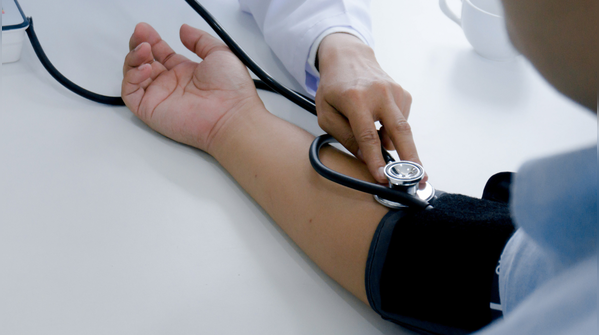
Blurred vision may not just be eye strain
One of the earliest organs affected by both hypertension and diabetes is the eye. Tiny blood vessels in the retina are extremely sensitive to changes in blood pressure and blood sugar.
People blame blurry vision on age or excessive mobile phone use. But sudden difficulty focusing, double vision, or seeing dark spots may indicate diabetic retinopathy or damage caused by uncontrolled hypertension.
“Diabetes and hypertension can occur in the same person without any noticeable symptoms, and together they increase the probability of developing heart diseases, strokes, kidney problems, and blindness,” says Dr Uday Phadke, Director of Endocrinology and Diabetes, Sahyadri Super Specialty Hospital, Deccan Gymkhana, Pune.
He adds, “Patients do not pay attention to the first symptoms, thinking that they have arisen because of stress and tiredness.”
The longer blood sugar and blood pressure remain uncontrolled, the greater the risk of permanent vision damage.
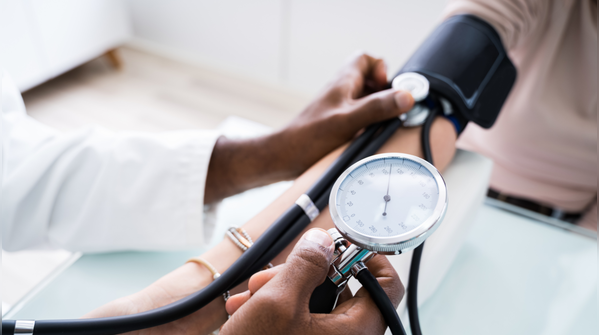
Swollen feet and unexplained fatigue deserve attention
Tiredness has become common in modern life. But fatigue linked to diabetes and hypertension feels different. It lingers despite rest. Some people also notice swelling around the ankles or feet, especially in the evening.
This can happen because both conditions affect circulation and kidney function. When kidneys struggle to remove excess fluid properly, swelling may appear in the lower limbs. The heart also faces extra strain while pumping blood through narrowed or damaged vessels.
“Uncontrolled hypertension significantly increases the risk of kidney disease, stroke, heart attack, and retinal complications in diabetic individuals,” says Dr Ameet Soni.
This is why doctors now encourage people not to ignore “small” symptoms that stay for weeks.
Frequent urination and constant thirst can signal a hidden overlap
One symptom often linked to diabetes is frequent urination, especially at night. But when it appears alongside hypertension, doctors become more concerned about kidney stress and poor glucose control.
The kidneys help regulate blood pressure while also filtering excess sugar from the bloodstream. When diabetes damages kidney tissues, blood pressure often rises further, creating a harmful cycle.
Dr Uday Phadke explains, “Symptoms such as frequent headaches, blurry vision, unusual fatigue, swollen feet, and frequent urination are signs that diabetes affects vessels and intensifies hypertension. Uncontrolled diabetes causes harm to the arteries, which worsens the patient's hypertension.”
People may also feel unusually thirsty, tired after meals, or notice sudden changes in weight. These symptoms should not be brushed aside as temporary lifestyle issues.
Why younger Indians are increasingly at risk
Doctors say the biggest shift is happening among younger adults in cities. Poor sleep, sitting for long hours, high salt intake, packaged foods, stress, smoking, alcohol use, and lack of physical activity are creating the perfect environment for metabolic disease.
A recent ICMR-linked report found that a large percentage of Indians may appear healthy outwardly while carrying hidden metabolic risks such as high blood sugar and hypertension.
“What makes this combination deadly is that both hypertension and diabetes are silent illnesses and can only cause symptoms when there are complications,” says Dr Uday Phadke.
Doctors suggest a few practical measures that truly matter:
Regular blood pressure and blood sugar checks after the age of 30
Reducing packaged and high-salt foods
Walking daily, even for 30 minutes
Improving sleep quality
Managing weight gradually instead of through crash diets
Avoiding smoking and excessive alcohol intake
Following medications consistently if prescribed
Most importantly, people with a family history of diabetes or hypertension should not wait for symptoms before getting screened.
The bigger message behind World Hypertension Day
World Hypertension Day is not only about checking blood pressure once a year. It is a reminder that silent diseases often build slowly in everyday routines.
A person may feel “mostly fine” while the body quietly absorbs years of metabolic stress.
The good news is that both hypertension and diabetes respond strongly to early lifestyle correction and timely medical care. Small consistent changes often protect the body more effectively than dramatic short-term efforts.
Medical experts consulted
This article includes expert inputs shared with TOI Health by:
Dr Ameet Soni, Associate Vice President and Head of Medical Affairs, Corona Remedies Limited.
Dr Uday Phadke, Director of Endocrinology and Diabetes, Sahyadri Super Specialty Hospital, Deccan Gymkhana, Pune.
Inputs were used to explain how certain warning signs of hypertension may actually point towards underlying diabetes, why this dangerous combination often goes unnoticed, and why regular screening and timely medical attention are crucial.
Featured In Health

