
- News
- Health News
- Your heart after 30: Hidden changes that raise disease risk, and simple lifestyle fixes to protect it early
Your heart after 30: Hidden changes that raise disease risk, and simple lifestyle fixes to protect it early
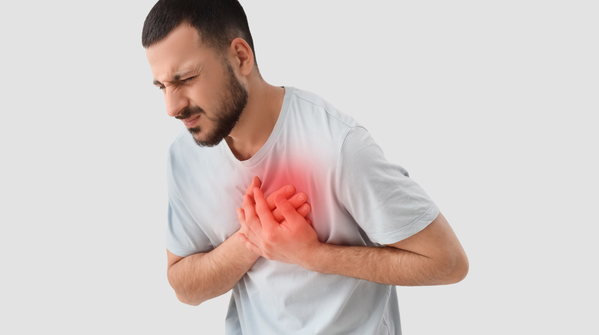
What changes in our heart and why it matters
It doesn't feel like a medical milestone to turn thirty. However, major changes in the heart and cardiovascular system begin showing up beneath the surface. These changes are significant because they influence future illness risk and long-term cardiac health. Understanding them can be the difference between a strong heart at 60 and one struggling with disease.
Dr Bipin Kumar Dubey, HOD-Cardiology & Principal Director - Interventional Cardiology, Max Super Speciality Hospital, Dwarka, “Turning 30 is often seen as a milestone — a time when careers grow busier, responsibilities increase, and life starts moving faster. While most people feel physically healthy during this stage, subtle changes begin to take place inside the body, especially in the heart. Understanding these changes early can help prevent future health problems.”

Your “heart age” often exceeds your real age
Doctors sometimes calculate a heart age, a number that predicts how your heart’s risk compares with your actual years. According to data from the Centers for Disease Control and Prevention (CDC), many adults aged 30-74 have heart ages significantly older than their real age when risk factors like blood pressure, smoking, diabetes, and obesity are considered.
For example, the average US adult’s heart can be 5-8 years older than their real age. That gap grows with uncontrolled risk factors. This means the heart isn’t just passively ageing, it’s reacting to lifestyle and internal stress. Knowing your heart age gives a tangible way to track risk.
Dr Dubey, “After the age of 30, metabolism gradually slows down, and lifestyle habits start having a stronger impact on heart health. Factors such as stress, lack of sleep, sedentary work routines, unhealthy eating patterns, and reduced physical activity can begin to affect blood pressure, cholesterol levels, and body weight. Even if there are no symptoms, these silent changes may increase the risk of heart disease over time.”

The risk of heart disease starts sooner than many think
Heart disease isn’t a concern only for retirees. Research from the Coronary Artery Risk Development in Young Adults (CARDIA) study (conducted by the US National Heart, Lung, and Blood Institute) shows that habits and risk levels in your 20s and early 30s strongly influence your cardiovascular health later in life. Those with declining heart health early are far more likely to develop disease by middle age.
Another long-term analysis found that men begin to develop measurable heart disease risks nearly seven years earlier than women, often starting in the mid-30s.
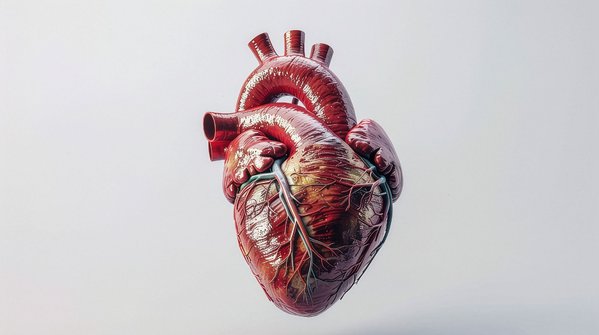
Structural and functional changes in the heart
As people move past 30, the heart undergoes subtle yet important changes at the cellular and tissue level:
Heart muscle stiffens slightly, making the organ less efficient with age.
Mitochondria (energy producers in cells) weaken, reducing energy output.
Low-grade chronic inflammation increases, contributing to early arterial changes.
These changes don’t cause immediate symptoms, but they create fertile ground for high blood pressure, atherosclerosis (plaque buildup), and reduced exercise capacity. Over time, that raises the risk of heart attack and stroke.

Early warning signs often get ignored
Between ages 30 and 50, many people develop risk factors without realising:
High blood pressure feels like nothing, yet it damages arteries over decades.
Rising LDL (“bad”) cholesterol contributes to plaque that narrows heart arteries.
Insulin resistance or pre-diabetes alters blood vessel health.
In India and globally, these silent risks often go undiagnosed until more serious disease appears. Early heart check-ups, including blood pressure, lipid profile, and glucose tests, become essential in your 30s and beyond.
Dr Dubey added, “The good news is that the 30s are an ideal time to build heart-healthy habits. Regular exercise, even 30 minutes of brisk walking five days a week, can significantly improve cardiovascular fitness. A balanced diet rich in fruits, vegetables, whole grains, and healthy fats helps maintain cholesterol and blood sugar levels. Managing stress through mindfulness, hobbies, or relaxation techniques is equally important.”

Lifestyle shifts after 30 have outsized impact
Ageing itself doesn’t guarantee heart trouble. What matters is what you do each day:
Exercise: Regular activity keeps arteries flexible and blood pressure lower.
Diet: Whole foods and lower saturated fats help control cholesterol.
Sleep: Poor sleep raises inflammation and blood pressure.
Stress: Chronic stress pushes the heart into overdrive.
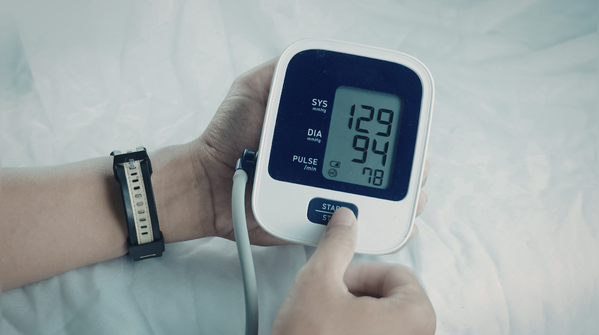
Beware of “silent” risk factors
Some risks don’t create obvious symptoms until they’re severe:
Metabolic syndrome (a cluster of high blood pressure, high insulin, excess belly fat, and bad cholesterol).
Subclinical atherosclerosis (arterial buildup that doesn’t yet show symptoms).
Sleep apnea, which raises blood pressure and heart strain.
These conditions often require medical evaluation to detect. Regular screening becomes more critical after 30.

What should people watch closely?
After age 30, it helps to focus on measurable signals:
Blood pressure readings with every check-up.
Lipid panel (cholesterol) at least once every few years.
Blood sugar / HbA1c to rule out diabetes risk.
Body mass index and waist circumference for early metabolic warning signs.
Dr Dubey explained, “Routine health check-ups become increasingly valuable after 30. Monitoring blood pressure, cholesterol, and blood sugar allows early detection of potential risks before they become serious. Your heart may not feel different after 30, but the choices you make during this decade can shape your long-term health. Small lifestyle adjustments today can protect your heart for years to come, ensuring a healthier and more active future.”

Why this matters
Globally, heart disease continues to be the major cause of death. You have a better chance of safeguarding your heart decades later if you are aware of the alterations that occur after the age of thirty. Little lifestyle changes can have a big impact on long-term results, risk scores, and heart age.
Medical experts consulted
This article includes expert inputs shared with TOI Health by:
Dr Bipin Kumar Dubey, HOD-Cardiology & Principal Director - Interventional Cardiology, Max Super Speciality Hospital, Dwarka.
Inputs were used to explain how your heart changes after 30, the risks these shifts may pose to long-term health, and why paying attention early can make a critical difference.
Featured In Health

