
- News
- Legal News
- Allahabad high court dismisses plea challenging pension, benefits for former UP MLAs, MLCs
Allahabad high court dismisses plea challenging pension, benefits for former UP MLAs, MLCs
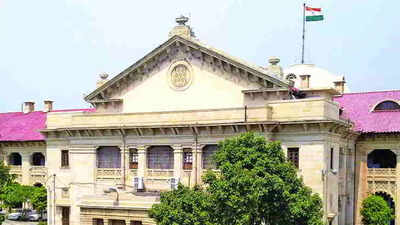
Allahabad high court (File photo)
End of Article
Follow Us On Social Media

Hot Picks
Top Trending
Tired of too many ads?go ad free now
Trending Stories
In Section
Entire Website
- IPL: KKR beat MI by 4 wickets to keep their playoff hopes alive
- Is Victor Wembanyama playing tonight against the Oklahoma City Thunder? Final update on the Spur star's injury report
- Vaibhav Sooryavanshi reveals real reason behind viral 'A' celebration after LSG blitz
- 'Gave them car, 10 tola gold': Woman dies by suicide due to 'dowry' harassment
- Odisha CHSE 12th Result 2026 (OUT): Odisha Plus Two results out
- CBSE’s answer sheet portal chaos leaves lakhs of students stranded, frustrated and unheard
- CHSE Odisha Plus 2 result 2026 Out; Arts, Science and Commerce results together for first time: Steps to check marksheets on DigiLocker
- How Canada-based ‘suitor’ planned Punjabi singer Inder Kaur’s murder, fled India the same night
- Youngest and fastest ever! Vaibhav Sooryavanshi rewrites IPL history in another record-breaking day
- Tamil Nadu SSLC Result 2026 Date & Time: DGE TN Class 10 results tomorrow at 9:30 am on tnresults.nic.in
- IPL: KKR beat MI by 4 wickets to keep their playoff hopes alive
- Is Victor Wembanyama playing tonight against the Oklahoma City Thunder? Final update on the Spur star's injury report
- Vaibhav Sooryavanshi reveals real reason behind viral 'A' celebration after LSG blitz
- 'Gave them car, 10 tola gold': Woman dies by suicide due to 'dowry' harassment
- Odisha CHSE 12th Result 2026 (OUT): Odisha Plus Two results out
- CBSE’s answer sheet portal chaos leaves lakhs of students stranded, frustrated and unheard
- CHSE Odisha Plus 2 result 2026 Out; Arts, Science and Commerce results together for first time: Steps to check marksheets on DigiLocker
- How Canada-based ‘suitor’ planned Punjabi singer Inder Kaur’s murder, fled India the same night
- Youngest and fastest ever! Vaibhav Sooryavanshi rewrites IPL history in another record-breaking day
- Tamil Nadu SSLC Result 2026 Date & Time: DGE TN Class 10 results tomorrow at 9:30 am on tnresults.nic.in
Tired of too many ads?go ad free now



Explore Every Corner
Across The Globe
Bryson DeChambeauAaron RodgersNick RobertsonStephen Curry WifeSerena WilliamsRonda RouseyNFL Trade RumorsJen Vrabel vs Sean McVayVictor WembanyamaRonda Rousey Net WorthJustin HerbertIPL Points Table 2026Kolkata Knight Riders vs Mumbai Indians Match ScorecardVirat KohliIPL 2026 Orange CapRussell Wilson Birthday PostJordan KyrouConor McGregor vs Max Holloway Net WorthIPL 2026IPL 2026 Playoff PredictionBryson DeChambeauUS Iran WarCarlos PratesKKR vs MI HighlightsRashee RiceUkko Pekka LuukkonenSuper BowlKashika DhingraDwayne JohnsonMegan Thee Stallion

Hot on the Web
R MadhavanHeatwave Protection Foods And DrinksAmit ShahRaaj KumarPeddi First ReviewPM ModiSalman KhanYuvraj SinghT.G. Nandish DeathCelina JaitlyBharti SinghAamir KhanSalman KhanNehal ChudasamaDiphtheria OutbreakNiranjana DesaiGlass Shower Screens Cleaning TipsUnique Fruit TreesKaruppu Box Office CollectionKhan SirChandranaag IdentityPopular FoodAC Room Water Bucket TipsMeta LayoffsPanchayat Season 5Anti Lizard TipsHbA1cDhurandhar 2 Box Office CollectionRaja Shivaji Box Office CollectionHoroscope TodayCuba Drone ThreatFatah 3 VS BrahmosUS Powerball LotteryRajnath SinghUAE Nuclear PlantSanjeev AroraNyt ConnectionsUmar Khalid CaseLegal Document PropertySuryastraS 400Captions For Instagram Posts
Trending Topics
KKR VS MI IPL MatchKashika DhingraSalman AghaUK HeatwaveHardik PandyaIPMAT Result 2026IPL Orange CapUK Grooming CaseMohammed ShamiUGC NET June 2026REET Mains Result 2026Jenny GilruthRohit SharmaRal CastroPep GuardiolaTrump IRS settlementIPL Orange CapLogan PaulWho is Ines GarciaJapan earthquakeBJP ends Bhaipo taxDelhi hottest dayP ShanmugamIceland PMCockroach Janta PartyMamata BanerjeeUsman JuttAbhishek BanerjeeAaron RaiDeepak ChaharAntigravity 2.0Gemini 3.5Live In Relationship LawGemini OmniGoogle Search UpgradeMatt GarmanParag AgrawalVC Chamath PalihapitiyaGarena Free Fire MAX Redeem CodesPeroxide CodesGenshin Impact Codes
Popular Categories
HeadlinesSports NewsBusiness NewsIndia NewsWorld NewsInternational SportsHealthIndian TV ShowsTechnologyTravelEtimesAstrologyDeorhiAutoTechnology NewsGold Rate TodayWeather TodaySilver Price TodayDelhi Weather TodayPetrol Price TodayDiesel Price TodayCNG Price TodayLPG Price TodayPetrol Price MumbaiDelhi AQIIs Bank Open TodayMumbai AQI TodayIs Bank Open TomorrowPublic Holidays in MayBank Holidays in May
Trending Videos
‘Will Counter Hegemons’: Xi Jinping Unleashes Fiery Veiled Attack On U.S In Putin's Presence | WATCHXi-Putin DEFEAT Trump On World Stage? ‘Just Like Iran, Time For…’: Beijing Bombshell ‘SHAKES’ US NATO Nation In Lockdown After Drone Strike; MPs, Ministers, Residents In Bomb Shelters | LithuaniaAntony Starr Reveals His Biggest Fear During ‘Gen V’ Stephen Colbert Torches Trump In Brutal Monologue Ahead Of 'The Late Show' Final Episode'Total Sacrifice': Iran Supreme Leader's Big Message To Nation; Hails 'VICTORY' Over Israel, U.S.'India Won't Tolerate Any Form Of Nuclear Blackmail': Rajnath Singh In South KoreaVance Brutally Roasted For Comparing Trump Protests To King Charles Applause'Netanyahu Will Do Whatever I Direct': Trump's Veiled Warning To Netanyahu Over Potential Iran DealWho Is Ryan Williams? Footballer Who Gave Up Australian Citizenship To Play For IndiaNorway PM 'Counters' Helle Lyng On 'Democracy' Amid Modi Press Storm; Sparks Fresh DebateCongress To Join Tamil Nadu Cabinet After 59 Years As Vijay Expands TVK GovernmentSan Diego Mosque Gunman Forced Rifle To His Head Before Sickening Final Act | VIRAL LIVESTREAM'Apologise For This Nonsense': Italy's Meloni Slams Israeli Humiliation Of Gaza Flotilla ActivistsRehman Gali To Ram Gali: Why Pakistan Is Reviving Pre-Partition Lahore Street Names Now?Rehman Gali To Ram Gali: Why Pakistan Is Reviving Pre-Partition Lahore Street Names Now?Asim Munir's Pak Revives Lahore's Hindu Past, Collides With 'Jihadi' General's Anti-Hindu AgendaHey Trump, Watch Out! Putin's JACKET MOVE goes viral; Sparks Frenzy In China | Watch
Latest News
Hazaribag man drowns while fishing in lake"Behen Darr Gayi!": Fans relive ‘Bhagam Bhag’ era after watching Akshay Kumar's 'Bhooth Bangla' trailerMBOSE HSLC result 2026 to release tomorrow: Check details hereIran war risk: JPMorgan CEO Jamie Dimon warns of oil shocks, sticky inflation and higher interest ratesMake your clutch last longer with these easy driving tips“Three-against-one situation”: El Rubius opens up on being “targeted” in MrBeast’s viral $1M challengeBihar BTSC lab assistant notification released for 1091 posts at btsc.bihar.gov.in; apply hereIPL craze costs techie Rs 1.46 lakh in fake RCB vs CSK ticket scamRaising “robot-proof” kids: Why creativity and curiosity matter more than everInside ‘Satguru Sharan’: Exploring Saif Ali Khan and Kareena Kapoor Khan’s Rs 100 crore Bandra homeHow selling Alaska in 1867 was a costly mistake for Russia'Hera Pheri 3 is coming': Paresh Rawal dismisses delay reports and reveals he will 'start shooting soon'US-Iran War: A daring rescue Hollywood blockbuster is on its way. Till then, pick your favourite from these 10 films on bringing someone home against all oddsKolkata team unveils fan mural at Rash Behari Avenue, celebrating city’s first loveHow US spread a lie to rescue a pilot of a jet shot down in IranNetflix unveils ‘VOID’, an AI model that can change a movie plotAI data centers are causing 'stress' not just to tech companies, but also private insurers"Trans women are.....": Clavicular’s viral moment with trans women sparks fresh conversation on internet culture
Copyright © 2026 Bennett, Coleman & Co. Ltd. All rights reserved. For reprint rights: Times Syndication Service