
Trending
Beauty trends 2026: Beauty routines are shifting from makeup-only to skin well-being and prevention

Beauty in 2026 prioritizes skin health over perfection, shifting from quick fixes to intentional, slow care. Consumers are embracing ingredient awareness and preventative measures, with makeup becoming optional. This mindful approach, blending modern science with traditional wisdom, emphasizes sustainable routines and a holistic view of wellness for lasting radiance.
From makeup-first to skin-first
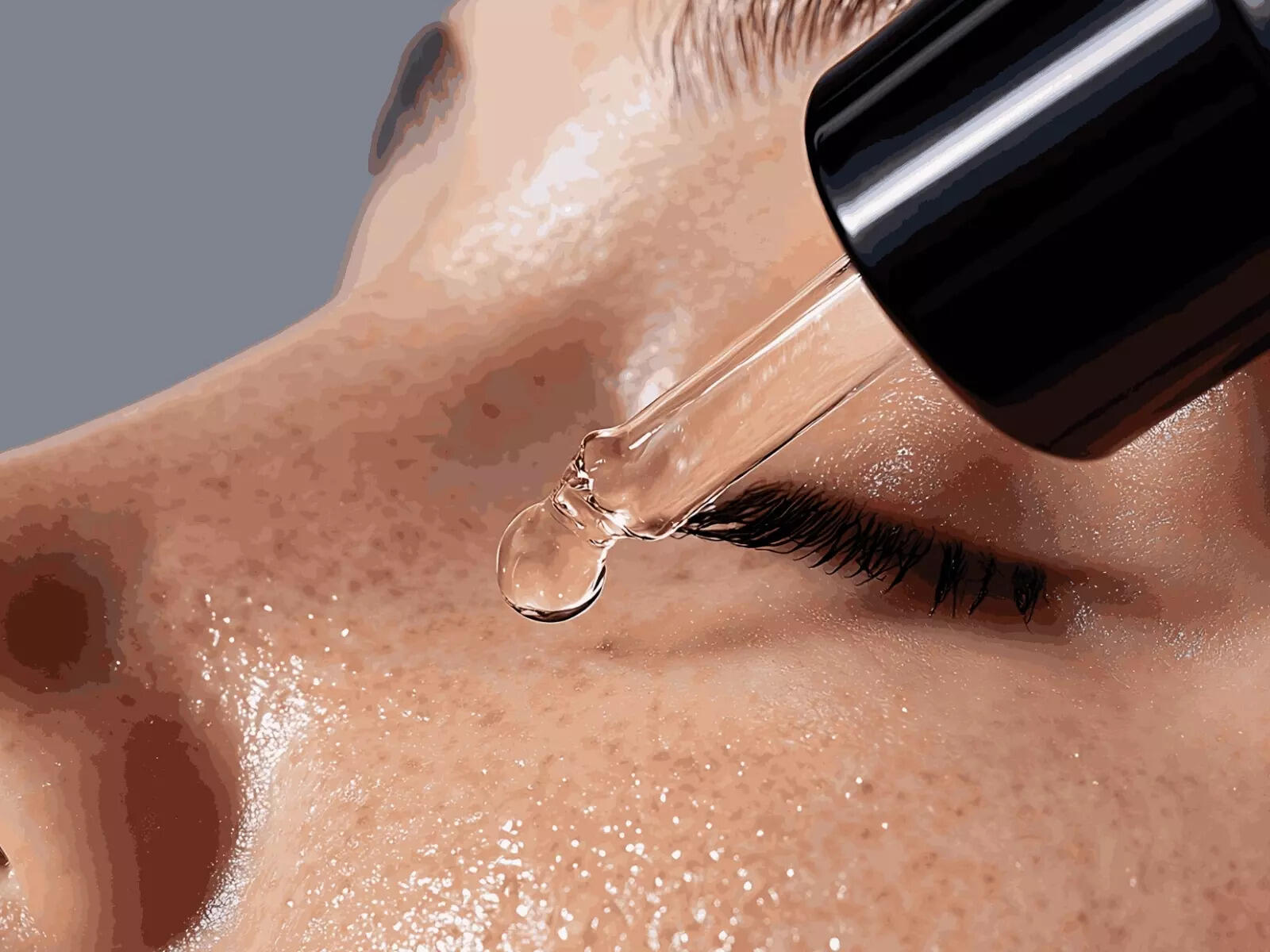
Skin serums are one of the best things you can add to your skincare routine because they deliver powerful ingredients straight to where your skin needs them most. Unlike heavy creams, serums have a lightweight texture and smaller molecules, which means they absorb faster and penetrate deeper. This allows active ingredients like vitamin C, hyaluronic acid, niacinamide, and peptides to work more effectively on concerns such as fine lines, dullness, dehydration, and uneven texture.
Prevention is the new anti-ageing

Skin minimalism is here to stay

Ingredient awareness is no longer niche
Beauty now includes lifestyle - whether we like it or not

The Indian sensibility behind this shift
So what does beauty look like now?


About the AuthorTOI Lifestyle Desk
End of Article
Follow Us On Social Media
Health +
Tired of too many ads?go ad free now
lifestyle videos
Featured In Lifestyle

Tired of too many ads?go ad free now



MORE FROM ETIMES
life & style
Hot on the Web
Dhurandhar 2 Box Office CollectionRamayana TeaserBimal OberoiAditya DharRanveer SinghAlibag Real EstateHanuman Jayanti 2026Mahavir Jayanti 2026Mahavir Jayanti WishesGhost Taxi Drivers ChinaKash PatelRahul Arunoday Banerjee DeathSuccessful People QuoteSnake Hole vs Rodent HoleVirat KohliDhurandhar 2 ReviewPanchhi 2 Movie ReviewUstaad Bhagat Singh CollectionIAS Anshuman RajStrawberries Growing TipsWithout Electricity RefrigeratorAneet PaddaDhurandhar 2 CollectionProject Hail MaryDemi MooreKaattaan Season 1 ReviewMovierulzLate Bloomer Season 1 ReviewAadu 3 Box Office CollectionHoroscope TodayToday Gold Rate in ChennaiDelhi Weather TodayDelhi AQI TodayMumbai AQI TodayMaharashtra Public Holidays 2026RR Vs CSK LiveTim CookSam AltmanAvatar LegendsHardik PandyaBasketball Zero Codes
Trending Topics
Latest MoviesBollywood MoviesHollywood MoviesTamil Movies 2026Telugu Movies 2026Malayalam Movies 2026Kannada MoviesMarathi MoviesBengali Movies 2026Top Rated Movies 2026Best Hindi MoviesBest English MoviesBest Telugu MoviesBest Tamil MoviesBest Malayalam MoviesBest Kannada MoviesBest Bengali MoviesUpcoming Hindi MoviesBest Movies Of All TimeBest Hindi Movies of All TimeLatest English MoviesLatest Malayalam MoviesEnglish TV NewsTamil TV NewsTelugu TV NewsMalayalam TV NewsKannada TV NewsMovie ReviewsBhojpuri Cinema NewsGujarati Cinema News
Popular Categories
Viral NewsK Pop NewsWeb Series NewsAnime NewsUpcoming English MoviesUpcoming Tamil MoviesUpcoming Telugu MoviesUpcoming Malayalam MoviesUpcoming Kannada MoviesFashion TipsTravel NewsEntertainment NewsBollywood NewsTollywood NewsKollywood NewsMollywood NewsFood NewsLatest Hindi MoviesLatest Tamil MoviesParenting TipsHome RemediesWeight LossBeauty TipsParenting TipsHindi VideosHindi Video SongsBhojpuri Music VideosLatest Telugu MoviesBhojpuri Music VideoHindi TV News
Latest News
Huma Qureshi receives a shout out from American filmmaker Zack SnyderKia Seltos achieves 5-Star BNCAP rating: Becomes best-scoring ICE carMP man molests 4-year-old while playing outside her home, girl’s mom chases him downBig B says 'inner voice' key to navigating polluted information ageSKY as impact sub just precautionary: MI coach JayawardeneUP brothers donate land worth Rs 15 lakh for Iran victimsDid Ravindra Jadeja get emotional and cry on the field vs CSK? Viral video leaves fans guessing'Officer felled not by enemy but goon': Dehradun erupts in rage & shock after retired Brigadier shot deadDubai Airports Update March 31: IndiGo, Air India continue operations; Qatar Airways, Lufthansa and other airlines also issue advisoriesRBSE Class 12th results released: Direct link to download stream-wise scorecards here'Ramayana': Ranbir Kapoor bowls audience over with 'Rama' first glimpse; fans say 'We are proud of you'Asian Cup Qualifiers: Spotlight on Ryan Williams as India face Hong KongAsian stocks today: Markets trail as Middle East conflict deepens; Nikkei drops 0.9%, MSCI Asia Pacific slips 0.5%PBKS vs GT: In this run-fest, can bowlers claw back?Bruce Springsteen kicks off tour with free livestream from Minneapolis - Here's all we knowTHAAD vs ballistic missiles: Inside the high-stakes US–Iran defence battle in the Middle East'Two-year ban rok di': How Mohsin Naqvi saved Naseem Shah's career in last-minute callDanish Pandor aka Uzair of 'Dhurandhar: The Revenge' reacts to CBFC trimming down 25 seconds of crucial football scene