
Trending
How an IIT-failed youtube teacher from Prayagraj ended up on the Forbes Billionaires list
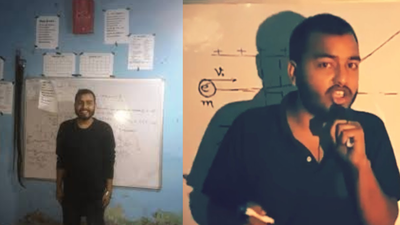
A classroom before the company
The billion-dollar turn
Why his rise stands out
Poll
Which aspect of PhysicsWallah appeals to you the most?

About the AuthorTOI Lifestyle Desk
End of Article
Follow Us On Social Media
Health +
Tired of too many ads?go ad free now
lifestyle videos
Featured In Lifestyle

Tired of too many ads?go ad free now




Hot on the Web
Palmer LuckeyDhurandhar 2 Box Office CollectionRaja Shivaji TeaserArnold SchwarzeneggerSkin Care TipsApril Fools PraksApril Fools WishesHanuman Jayanti 2026BharathirajaRanjith Arrest NewsSara Ali KhanHoroscope TomorrowSuccessful People QuoteSnake Hole vs Rodent HoleMithun ChakrabortyDhurandhar 2 ReviewPanchhi 2 Movie ReviewUstaad Bhagat Singh CollectionIAS Anshuman RajStrawberries Growing TipsWithout Electricity RefrigeratorVikrant MasseyDhurandhar 2 CollectionProject Hail MaryIndian FoodsKaattaan Season 1 ReviewMovierulzLate Bloomer Season 1 ReviewAadu 3 Box Office CollectionHoroscope TodayToday Gold Rate in ChennaiDelhi Weather TodayDelhi AQI TodayMumbai AQI TodayMaharashtra Public Holidays 2026Israel Secret AIApple iPhone 18 ProMassive x1.4 Solar FlareGarena Free Fire MAX Redeem CodesKitkat Bars Stolen In EuropeBasketball Zero Codes
Trending Topics
Latest MoviesBollywood MoviesHollywood MoviesTamil Movies 2026Telugu Movies 2026Malayalam Movies 2026Kannada MoviesMarathi MoviesBengali Movies 2026Top Rated Movies 2026Best Hindi MoviesBest English MoviesBest Telugu MoviesBest Tamil MoviesBest Malayalam MoviesBest Kannada MoviesBest Bengali MoviesUpcoming Hindi MoviesBest Movies Of All TimeBest Hindi Movies of All TimeLatest English MoviesLatest Malayalam MoviesEnglish TV NewsTamil TV NewsTelugu TV NewsMalayalam TV NewsKannada TV NewsMovie ReviewsBhojpuri Cinema NewsGujarati Cinema News
Popular Categories
Viral NewsK Pop NewsWeb Series NewsAnime NewsUpcoming English MoviesUpcoming Tamil MoviesUpcoming Telugu MoviesUpcoming Malayalam MoviesUpcoming Kannada MoviesFashion TipsTravel NewsEntertainment NewsBollywood NewsTollywood NewsKollywood NewsMollywood NewsFood NewsLatest Hindi MoviesLatest Tamil MoviesParenting TipsHome RemediesWeight LossBeauty TipsParenting TipsHindi VideosHindi Video SongsBhojpuri Music VideosLatest Telugu MoviesBhojpuri Music VideoHindi TV News
Latest News
Planning to buy a property? Expert shares hidden costs one should keep in mind while investingFrom Metro cheif to BMC commissioner: Who is Ashwini Bhide? Mumbai's first woman in 160 yearsTravis Kelce and Taylor Swift's wedding question leaves Chiefs GM Brett Veach visibly uncomfortable: "I cannot disclose"“So Poirier knocks his a** out”: Conor McGregor’s UFC dream gets shattered as Nate Diaz opens fresh wound with humiliation and rejectionApril’s ‘Pink Moon’ is coming: When to catch it and everything you need to know about this week's lunar showCongress runs on ideology, not individuals: DK ShivakumarAIIMS INI SS registration window 2026 opens at aiimsexams.ac.in: Direct link to apply hereX outage: Elon Musk’s Twitter back after brief global outage'Ab bas jeet pe focus': Shreyas Iyer's sister's bhangra sets internet on fire after Punjab Kings win - WATCHApril 01, 2026, Birthday Forecast: Discover what the next 12 months hold for you'Kalamkaval' to 'Unda': Best Mammootty films to watch on OTT right nowTaurus Horoscope Today, April 1, 2026: A little patience saves a lotYesterday IPL Match Result: Connolly holds nerve as PBKS edge GT in thriller'Will have to reassess that relationship': Rubio hits out at NATO, says ties can’t be 'one-way street'Hampi road accident: Video of Israeli tourist’s Rs 6L payout sparks online outrage$340 billion Anthropic that wiped trillions from stock market worldwide has source code of its most-important tool leaked on internetAuston Matthews’ $53M future in doubt as Maple Leafs boss refuses to reveal details of crucial conversation'Avengers: Doomsday' to skip clash with 'Dune: Part Three'; film to advance release to December 11 to score IMAX screens: Reports