
6 foods Indians packed for long journeys before packaged snacks existed
6 foods Indians packed for long journeys before packaged snacks existed
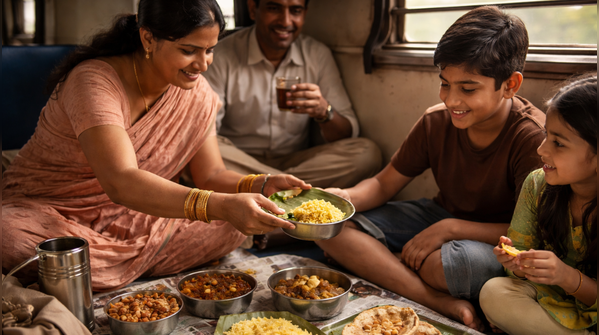
Long before branded wafers and vacuum-sealed biscuits crowded train stations, Indian travellers relied on foods engineered by necessity: portable, calorie-dense, resilient to heat and, often, delicious enough to steady frayed tempers on dusty roads. These foods were simple, practical and carefully chosen to survive long journeys without refrigeration. Below are six staples that sustained people on bullock carts, boats and early trains, what they were, why they endured and how families prepared them for travel.
Khakhra
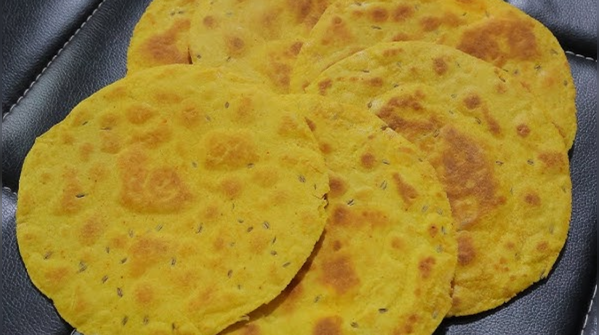
A thin, roasted flatbread from western India, khakhra is essentially a cooked, dried roti that keeps. Made from whole-wheat dough rolled paper-thin and roasted over a dry flame until it becomes crisp, khakhra resists moisture and bruising. Families would stack multiple layers separated by cloth, smear a little ghee for flavour and pack them in a tin. They’re eaten plain, with jaggery or with a dab of pickle; their long shelf life and low weight made them ideal for daytime travel when a hot tiffin wasn’t possible. It is an easy-to-make dish that goes well with chai and coffee too.
Thekua and sweet laddoos
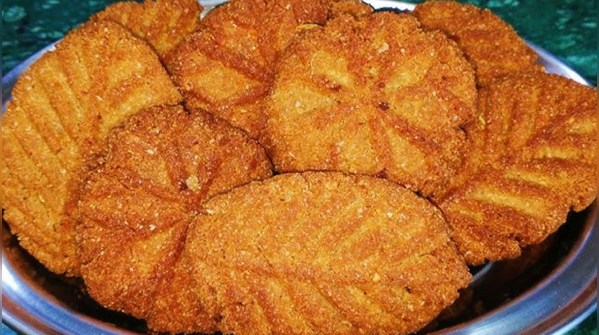
Sweet, fried or baked confections like thekua (a hard, wheat-and-jaggery cookie from Bihar) and various laddoos (besan, til or coconut) were travel classics across regions. Their sugar or jaggery content preserved them, and the dense, dry textures meant minimal crumbling. Many households shaped them in advance, wrapped them in leaves or paper, and used ghee and toasted flours to lower moisture, a primitive form of preservation. They delivered quick calories, lasted several days, and doubled as festive treats when journeys coincided with ritual visits.
Sattu and roasted gram
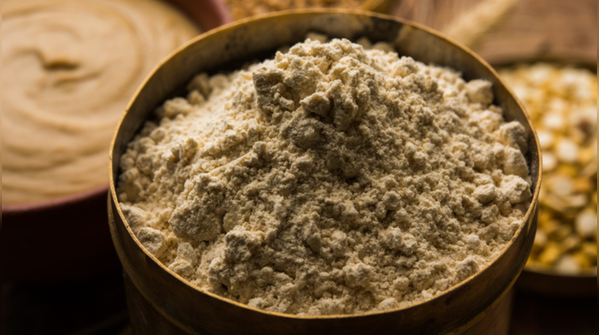
Sattu (roasted gram flour) and whole roasted chana or peanuts are ancient answers to protein on the move. Sattu could be carried as flour and mixed into water or buttermilk at halt points to make a restorative drink; roasted chana and peanuts needed no preparation and provided slow-burning energy. In parts of central and eastern India, travellers kept small earthen pots of sattu to mix with sour yogurt or jaggery, creating a filling, cooling meal that travelled better than fresh pulses.
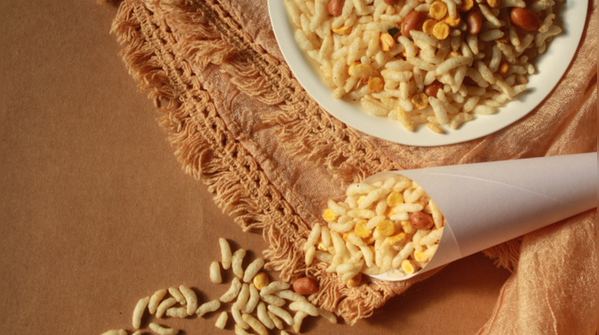
Murmura/chivda
Puffed rice (murmura) and its spiced mixes (chivda) are the archetype of lightweight travel food. Vendors and households prepared large batches, seasoning the puffed rice with peanuts, roasted lentils, curry leaves and a squeeze of lime or pinch of salt.
What made it especially practical was its adaptability across regions and seasons. A handful of chopped onions, green chillies or grated coconut could transform the mix instantly. Travellers could adjust flavour depending on what was available, turning a humble base into a surprisingly satisfying snack.
Because puffed rice is aerated, it’s low in weight yet high in volume, ideal for long stretches when hunger needs a quick, crunchy fix. It’s also forgiving: a little steam or humidity softens it but doesn’t spoil it quickly, and portions could be refilled from a communal tin.
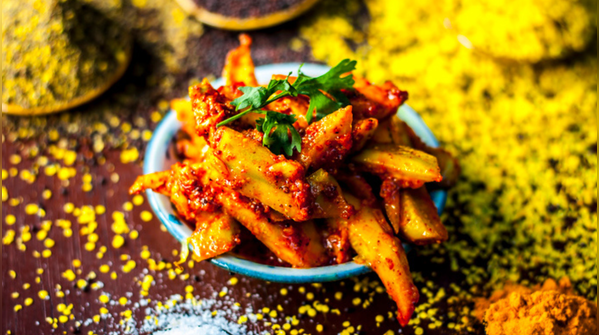
Pickles and preserved chutneys
A small jar of achar transformed bland staples into a satisfying meal. Pickles, made with oil, salt, and acidic agents (vinegar or raw mango), acted as both seasoning and preservative. Packed in oil or thick sugar syrups, fruit and vegetable preserves could withstand heat and prolonged travel. They were compact, potent, and could mask the staleness of breads or rice, so important when a hot, fresh meal wasn’t an option.
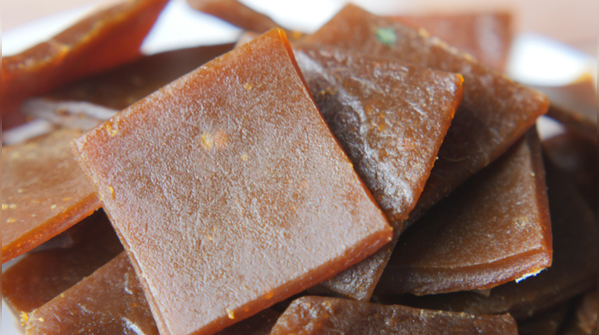
Aam papad and sun-dried fruits
Sun-dried mango leather (aam papad) and other fruit preserves concentrated fruit into thin, flexible sheets that travelled well. Similarly, sun-dried bananas, mangoes, and other fruits removed moisture that causes spoilage while concentrating sugars for instant energy. In many regions, these dried fruits were prepared at the height of harvest, when fruit was abundant and sunlight reliable. The slow drying process not only extended shelf life but also intensified flavour, turning seasonal produce into compact, travel-ready nourishment.
Families often spread fruit pulp or sliced fruit across clean cloth, woven trays, or flat rooftops, letting the sun and dry air do their quiet work over several days. Children guarded the trays from curious birds while elders checked the texture, waiting for the perfect leathery firmness.
These snacks were often wrapped in waxed paper or banana leaf and stowed in the middle of a bundle, where they stayed drier. They offered a sweet, tangy counterpoint to the savoury staples on a long journey.
Featured In Food

MORE FROM ETIMES
life & style