
How to keep your clay pot (matka) water clean and safe this summer
How to keep your clay pot (matka) water clean and safe this summer
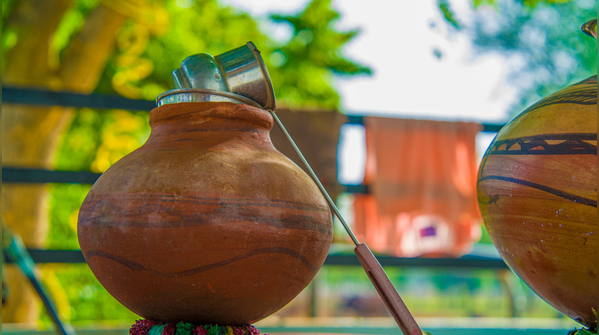
There is something almost comforting about a matka in summer. In homes across India, the clay pot sits quietly in a corner, holding water that feels cooler, softer and somehow better than anything from the fridge. It is an old habit, but one that still makes perfect sense in peak heat. Yet a matka is only as good as the care it gets. Clay cools water naturally, but it also needs regular cleaning and a little attention to stay safe. Dust, algae, bacteria and mineral deposits can build up if the pot is left untouched for too long. In the middle of a hot season, when water is filled and refilled often, that care matters more than people think. The good news is that keeping a clay pot clean is simple. It does not need harsh chemicals or complicated routines. What it needs is consistency. Scroll down to know more...
Start with a clean pot
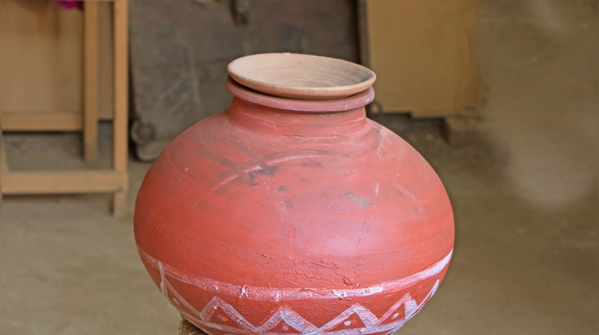
Before you begin using a new matka, rinse it well several times with plain water to remove loose clay dust. Some people like to soak a new pot overnight so the pores settle and the vessel becomes easier to use. That is a sensible first step.
Traditional households also sometimes fill the matka with drinking water once or twice and discard it before regular use. This helps remove any remaining earthy residue and allows the clay to stabilise naturally. A freshly prepared matka often develops a cleaner taste after the first few rounds of soaking and rinsing.
If the pot has been stored away for months, give it a proper wash before bringing it back into service. Use clean water and a soft brush or cloth. Avoid soap, especially strong detergents, because clay can absorb smells and residues. The aim is to clean the surface without leaving behind anything that could affect the taste or safety of the water. It also helps to inspect the pot before filling it. Fine cracks, chips or seepage can make it harder to clean properly and may trap dirt. If the matka is damaged, it is better to replace it than to keep using it out of habit.
Wash it regularly
A matka should not be treated like a decorative object. It is a water container, and like any water container, it needs routine washing. Once every few days is ideal in summer, especially if the water is being topped up frequently.
Because the pot is porous by nature, tiny particles from the air and water can slowly settle along the inner surface over time. In hot weather, this buildup can happen faster than many people realize, particularly in kitchens where the matka is used constantly throughout the day by multiple family members.
Empty the pot completely, rinse it, and clean the inside gently with a soft scrubber or cloth. Pay attention to the rim and the narrow neck, where dust and grime tend to gather. If you notice a slippery film inside, that is often a sign that the pot needs immediate cleaning. For a deeper clean, many households use a mix of baking soda and water. This can help remove odour and light residue without being too harsh. After any cleaning, rinse the pot thoroughly so nothing remains inside.
Refresh the water often
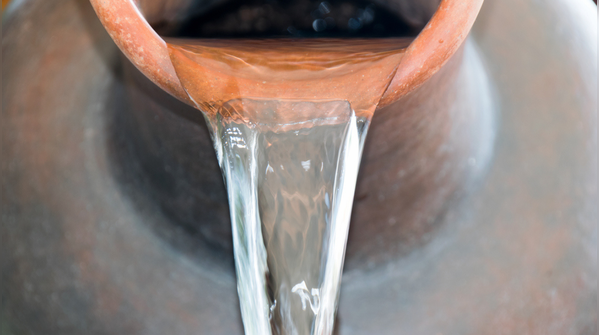
Even if the water still looks clear, it should not sit in the pot for too long. Stagnant water can lose its freshness and may become a breeding ground for microbes, especially in warmer weather.
Earthen pots also absorb tiny amounts of moisture through their porous surface, which is part of what keeps the water naturally cool. But that same environment can encourage bacterial growth if hygiene is neglected. A matka works best when treated as a fresh, daily-use water source rather than long-term storage.
Try to empty and refill the matka regularly rather than topping it up endlessly for days. This gives you a chance to wash the pot properly and prevents old water from mixing with new water again and again. If the water comes from a source that is not fully reliable, consider boiling and cooling it before storing it in the matka. That extra step can make a meaningful difference in safety, especially during summer when water-borne illness is more common in many areas.
Use a clean tumbler or ladle
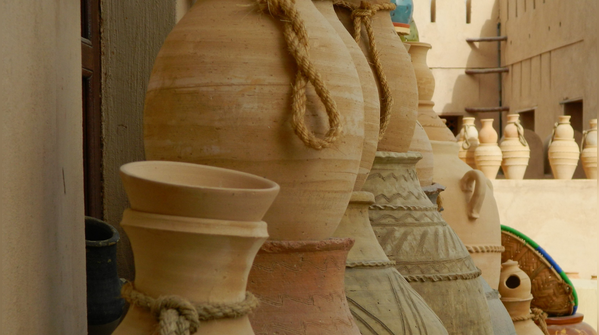
The biggest mistake many people make is dipping used cups, hands or even shared ladles directly into the pot. That may seem harmless, but it is one of the fastest ways to contaminate stored water.
In summer especially, bacteria can multiply quickly in standing water if hygiene is ignored. Earthen pots naturally stay cool and moist, which makes cleanliness even more important. Even a tiny amount of contamination from saliva, food particles or unwashed hands can affect the quality of the water over time.
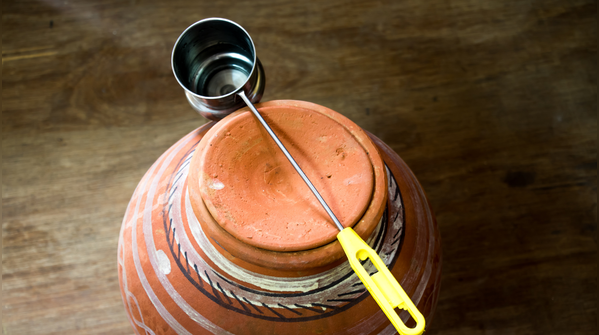
Always use a clean tumbler or ladle dedicated only to the matka. Keep it nearby and wash it regularly. If children or guests use the pot, remind them not to put their hands inside or drink directly from the opening unless the vessel is designed for that. A small habit like this can make a big difference. Clean water can turn unsafe very quickly once it is exposed to dirty hands or reused cups.
Watch for signs of trouble
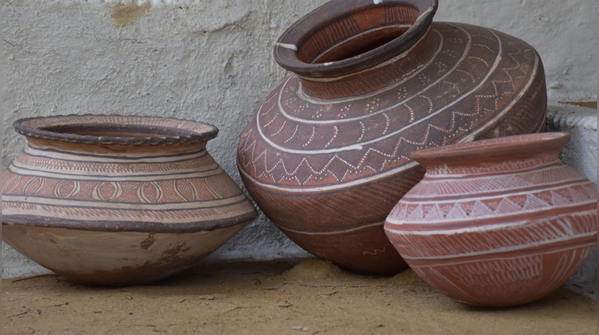
A matka does not always show contamination in obvious ways. Sometimes the warning signs are subtle. If the water starts smelling odd, tastes earthy or metallic, or looks cloudy, do not ignore it.
Because earthen pots naturally stay moist and cool, they can quietly trap residue over time if not cleaned carefully. During hot weather, even small amounts of organic build-up can multiply faster than people expect. Water may still appear visually clean while carrying bacteria or fungal growth that only becomes noticeable once the smell or taste begins to change.
Empty the pot, clean it thoroughly and refill it with fresh water. Also look for any greenish or dark patches on the inside surface. These may indicate algae or build-up from moisture and heat. In such cases, a basic rinse is not enough. The pot needs a deeper clean before it is used again. If someone in the household has been unwell with stomach issues, extra caution is wise. Shared water containers can spread germs more easily than people realize.
Let the pot do what it does best
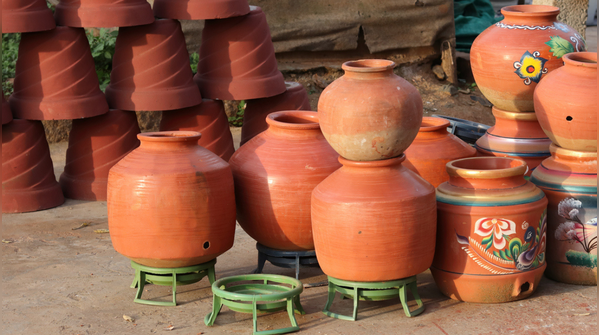
Part of the beauty of a clay pot is that it works naturally. It cools water slowly, without electricity, and gives summer drinking water a familiar taste that many people still prefer. But that simplicity works only when the pot is cared for properly.
A clean matka is more than a household vessel. It is a small summer ritual, one that brings together tradition, practicality and comfort. With a covered lid, regular washing, clean handling and fresh water, it can remain one of the safest and most satisfying ways to beat the heat. In a season when cold drinks are everywhere, the humble clay pot still holds its ground. It only asks for one thing in return: a little care.
A traditional habit that still makes sense today
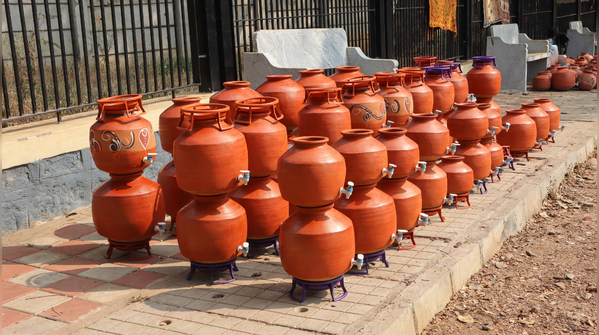
There is also a quiet environmental value in returning to matka water during summer. A clay pot uses no electricity, creates no artificial chill and relies on a centuries-old cooling method that still works remarkably well in Indian heat. In a time when many homes are trying to reduce waste and energy use, the matka remains one of the rare traditional habits that is both sustainable and deeply practical. The experience feels slower, calmer and more connected to the season itself.
Featured In Food

