
- News
- lifestyle
- parenting
- early-childhood
- 7 everyday etiquettes every parent should teach their children from an early age
7 everyday etiquettes every parent should teach their children from an early age
7 everyday etiquettes every parent should teach their children from an early age
True etiquettes are about the thoughtful behavior one shows in everyday life. It goes beyond saying “please” and “thank you.” No one is born knowing how to behave in social situations, however, the one who is taught to practice good etiquettes always stands out in a room full of people.When children are taught these manners, it shapes their personality, confidence and the way they handle relationships as they grow older. This is why another parenting responsibility is to teach these habits to children early.
Here are seven everyday etiquettes children should be taught early:
If you borrow something, return it with care
Borrowing something is a sign of trust, and children should be taught this early. This simple habit teaches responsibility, gratitude, and respect for other people’s belongings.
Parents should tell their children that whether it’s an old book or a brand new toy, borrowed things should always be handled with care and returned in the same condition. Even if something gets damaged accidentally, one should always sincerely apologise instead of hiding their mistake.
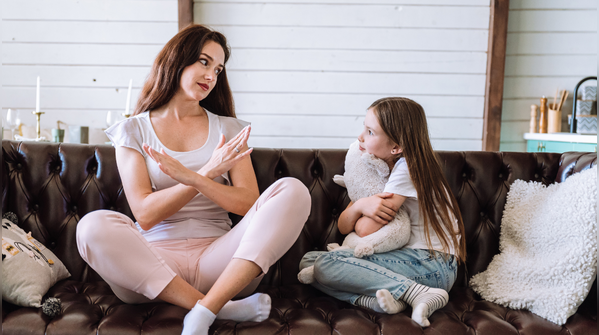
Respect boundaries and personal privacy
Respecting other people’s boundaries and personal space is a healthy social behavior that should be taught early. Simple habits like asking for permission before using someone else’s things or simply not interrupting people while they’re talking are basic etiquettes, and knowing these can help children earn respect in real-life.
When children understand boundaries, they also get the idea of how to protect their own personal space.
Avoid being loud in public spaces
Not every space allows the same type of behavior. While children are naturally expressive and full of excitement, however, they also need to learn that not every space allows the same type of behavior.
Teaching children to control their volume in shared public spaces such as libraries, hospitals, and public transport helps them develop a sense of social responsibility. It also helps them grow into individuals who can adapt their behaviour appropriately in different situations, which is an important life skill.
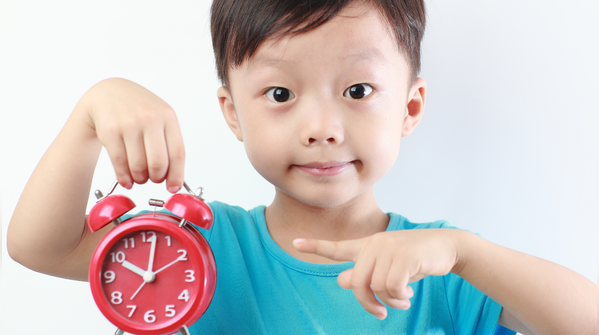
Respect other people’s time
Time is a valuable resource, and many people would not compromise with that. One of the most valuable etiquettes children can learn is to respect other people’s time. Also, when children understand the value of time, they naturally become more disciplined, responsible, and dependable.
Children can be taught by small everyday situations such as reaching school on time or finishing homework before deadlines.
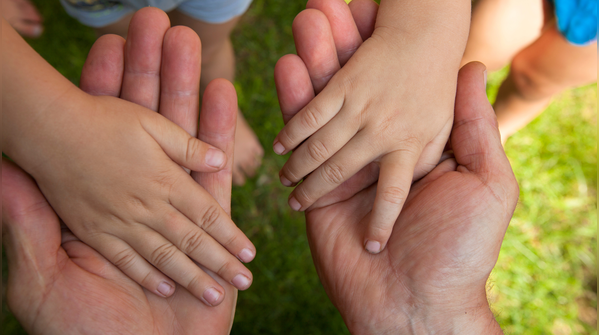
Acknowledge people with kindness
Acknowledging people with kindness can leave a lasting impression on connections. Children should be taught that acknowledgment is not limited to friends and family. It also extends to teachers, neighbours, helpers, and even strangers, but certainly in appropriate situations.
This etiquette also helps children build stronger social confidence.
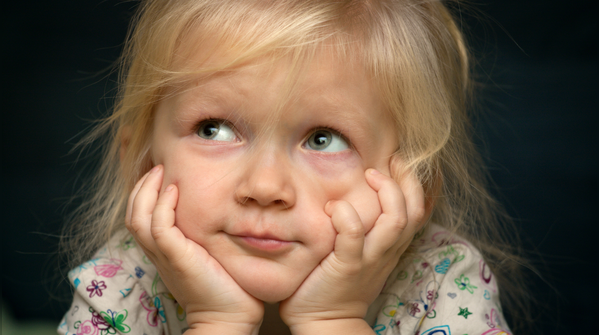
Don’t judge other people’s choices
Children often observe differences in how people speak, dress, eat, think, or live, and it is natural for them to feel curious. However, one of the most important etiquettes they should learn is not to judge other people’s choices. Teaching children acceptance helps them understand that what feels “normal” to them may not be the same for someone else, and that is okay.
Parents can guide children to ask polite questions when they do not understand something, rather than reacting with criticism or mockery.
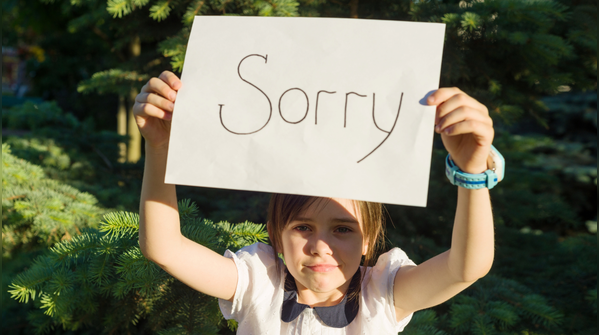
Take responsibility of your actions
Every choice has a consequence. The sooner children learn this, the more thoughtful they become. Children should be taught that instead of hiding blame for a “bad” choice or action, they should accept it with honesty and apologise with sincerity.
This habit not just makes children honest, but it also builds their character. A child who knows the importance of accountability, grows up to be a respected adult.
In the end, etiquette is not about raising “perfect” children. It is about raising thoughtful human beings who know how to respect others and carry themselves with kindness and responsibility.
Featured In lifestyle

