
- News
- lifestyle
- health-fitness
- fitness
- 6 best beginner-friendly home workout for shedding weight
6 best beginner-friendly home workout for shedding weight
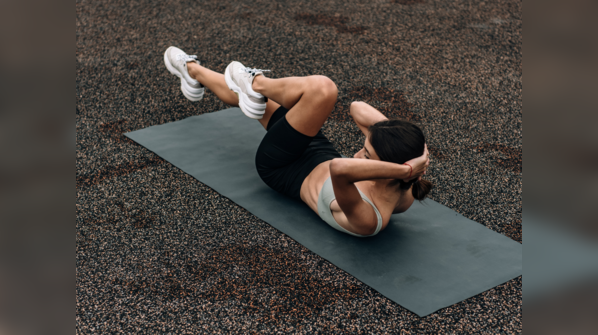
Beginner-friendly workouts
For anyone who is just starting out with their workout, the first and most important step would be to familiarise themselves with the movement patterns. Based on the way we move in everyday life, there are 6 prime movement patterns. Most training regimes are planned to keep in mind a holistic balance between these 5 patterns.
It can be classified into Squat, Hinge, Lunge, Push, Pull and Core
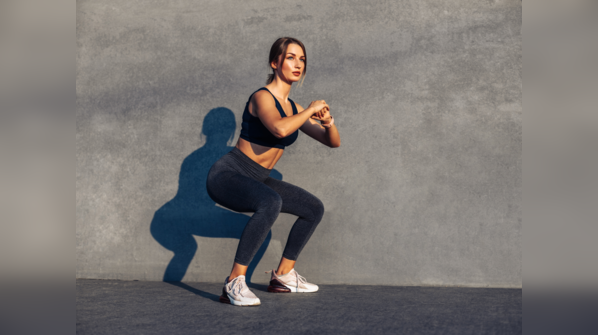
Squat
The centre of gravity can fall by flexing the hips and knees jointly during the squat. In a squat, the quadriceps, hamstrings, glutes, adductors, and core are the primary muscles used. Your capacity to stand up from a seated posture is improved through squat training.
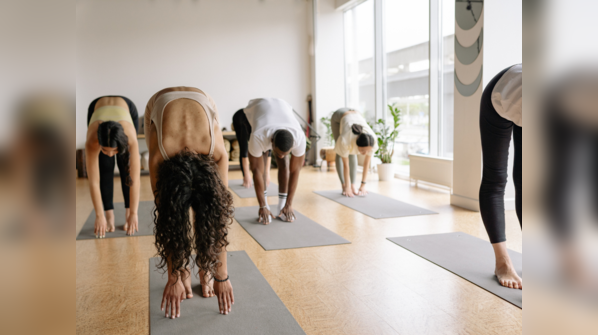
Hinge
Spoorthi, Fitness Expert, Cult.fit says, “It works your glutes, hamstrings, and core while flexing at the hip and keeping your knees stiff. The deadlift is the bend exercise with the highest traction. Every time you pick something up off the ground in everyday life, you perform the bending motion.
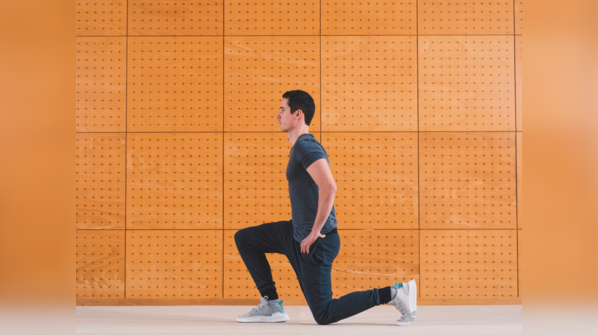
Lunge
A lunge is a functional movement that complements squats and bends, requiring active engagement of both the core and the extended leg muscles for stability. This exercise is not only valuable for building lower body strength, but also translates to everyday activities such as climbing stairs or hiking up a mountain. Essentially, a lunge involves stepping forward with one leg and lowering the body until the front thigh is parallel to the ground, while keeping the back leg extended behind.
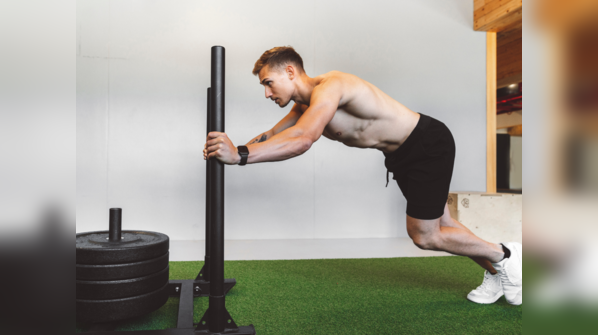
Push
Any motion in which you move your own bodyweight or a load away from you is referred to as a push. Pushing exercises focus on your shoulders, triceps, and also the chest. Push can also be divided into vertical and horizontal categories. In daily life, the push occurs when you open doors or stand up from a prone position (lying face down).
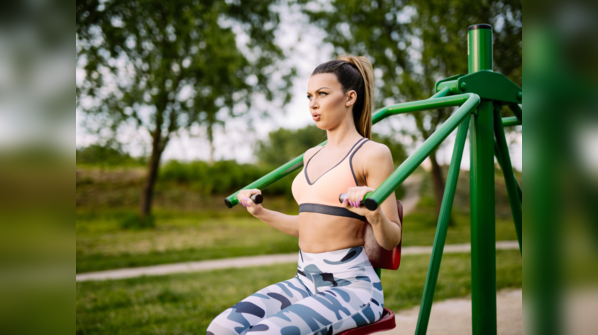
Pull
According to Spoorthi, any activity in which you draw a load towards you or your own bodyweight towards an object is referred to as pulling. Pulling exercises work your biceps and upper back. Similar to the push, the pull can also be divided into vertical and horizontal categories.
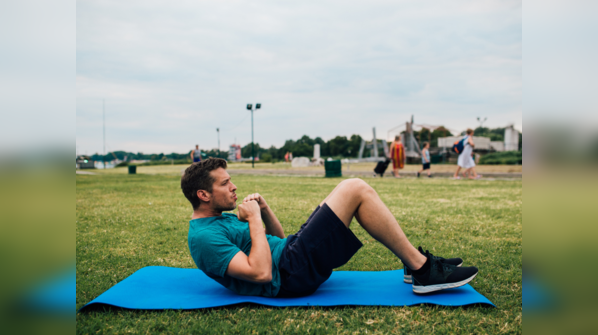
Core
The core is a complex collection of muscles that is generally referred to as the torso (everything below the arms and above the legs). Its major job is to keep the spine stable during both static and dynamic movements. Most daily tasks involve the core. When moving or doing yard work, it is the primary means by which you stabilize yourself and assist you in carrying large goods.
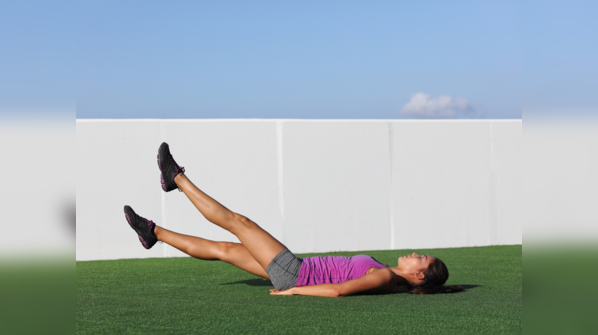
Here is a simple workout incorporating all the above movement patterns:
3 to 4 rounds of:
Air Squat - 10 reps
Hand release push up - 10 reps
Alternating reverse lunges - 12 reps
Renegade row - 12 reps
Prisoner good morning - 12 reps
Leg raise Hold - 30 sec
Featured In lifestyle

