
- News
- lifestyle
- health-fitness
- fitness
- 8 anti-ageing habits to learn from the Japanese
8 anti-ageing habits to learn from the Japanese

Healthy habits of Japanese that don't let them age
Japan is well known for both its long life expectancy and its people's youthful appearance. This is explained by a mix of cultural customs and lifestyle decisions that support longevity and good health. These are eight anti-aging practices that the Japanese have adopted.

Dietary routine
The Japanese diet is low in processed foods and added sugars and high in fresh vegetables, seafood, soy products, and rice. This diet is rich in antioxidants, vitamins, and omega-3 fatty acids, which help fight oxidative stress and inflammation, two major causes of aging.

Drinking green tea
A mainstay of Japanese culture is green tea. It is brimming with antioxidants, especially catechins, which lower the risk of chronic illnesses and help shield cells from harm. Regular green tea consumption can improve skin health and overall health.

Portion management
"Hara hachi bu," or eating till 80% satisfied, is a custom among the Japanese. This behavior lowers the risk of obesity, which is linked to a number of age-related disorders, and helps prevent overeating. Additionally, smaller quantities ease the burden on the digestive system.

Frequent exercise
Japanese people make physical activity a part of their everyday lives. It's usual to walk, cycle, and participate in traditional activities like tai chi and martial arts. Frequent exercise preserves muscular mass, strengthens the heart, and elevates mental health.

Skincare regime
Sun protection, hydration, and cleansing are all part of the multi-step, thorough Japanese skincare regimen. Seaweed, green tea, and rice bran are examples of natural substances that help maintain young, healthy skin.

Drinking enough water
Maintaining adequate hydration is an easy-to-do but powerful anti-aging habit. In addition to including hydrating foods like fruits and vegetables in their diet, Japanese people frequently drink water throughout the day. Drinking enough water keeps the skin hydrated and aids in toxin removal.
Stress busting activities
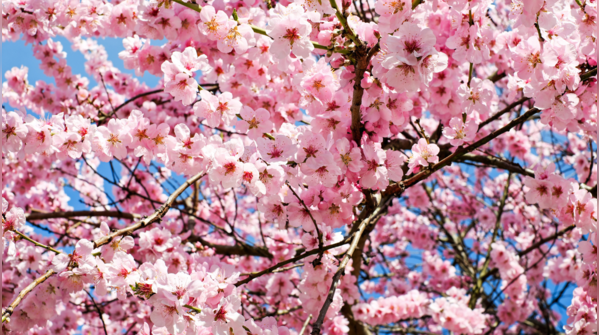
The Japanese approach to stress management incorporates techniques like mindfulness, meditation, and spending time in nature. Stress is a key cause of ageing. Engaging in practices like woodland bathing, or shinrin-yoku, can lower stress and enhance general health.

Social ties
Japanese culture places a high value on community involvement and strong social relationships. Longevity and mental health are correlated with regular social interactions and a feeling of belonging. People who use this support system find it easier to manage their stress and keep a positive attitude on life.
Featured In lifestyle
