
- News
- lifestyle
- home-garden
- 8 objects used in homes that are the dirtiest and how to clean and disinfect them
8 objects used in homes that are the dirtiest and how to clean and disinfect them
8 objects used in homes that are the dirtiest and how to clean and disinfect them
Even though our homes may appear clean, there are many common items that are harbouring bacteria, viruses, and grime. The items we touch most are the ones we clean least, making them a silent source of many illnesses. Identifying the dirtiest household items and how to properly clean them would be a major source of improvement for many of us.
Kitchen sponge
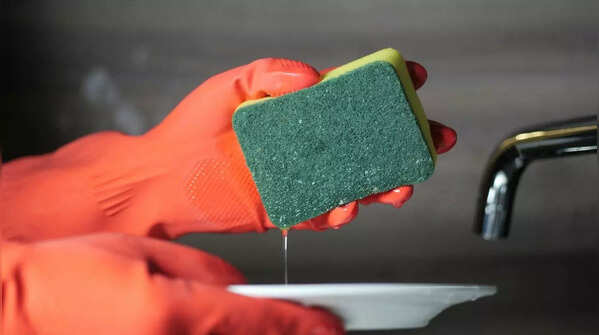
Kitchen sponges are among the dirtiest items in any home. Their moist environment allows germs like E. coli and Salmonella to thrive. Disinfect sponges by microwaving them damp for one minute or soaking them in boiling water or diluted bleach daily.
Mobile phones
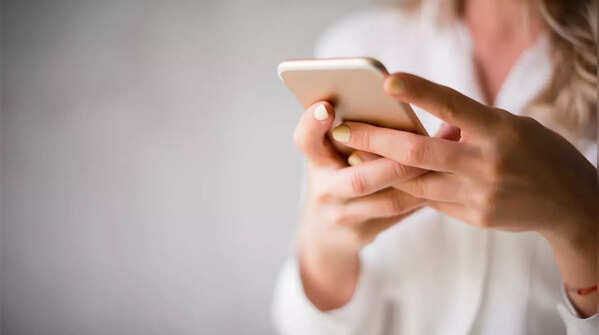
Mobile phones are constantly touched and placed on different surfaces, collecting bacteria throughout the day. Phones can carry germs that cause skin infections and stomach illnesses. Clean your phone regularly using a microfiber cloth with 70% isopropyl alcohol, avoiding excess moisture near ports.
Door handles and knobs
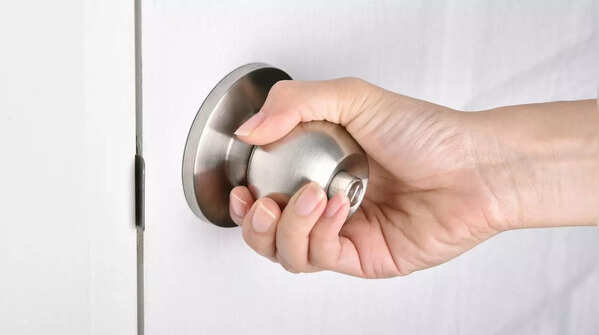
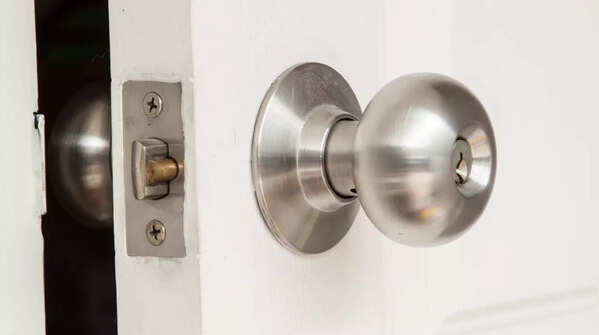
Door handles are touched multiple times a day by different people, making them hotspots for germ transfer. Germs can survive on metal surfaces for hours. Wipe handles daily using disinfectant wipes or a cloth dipped in diluted bleach or alcohol-based cleaner, especially during flu season.

Television remote controls
Remote controls are rarely cleaned despite frequent handling, often during meals. They can harbour bacteria, food residue, and viruses. Remove batteries and clean the surface with alcohol wipes or cotton swabs dipped in disinfectant, ensuring buttons are thoroughly wiped without soaking the device.
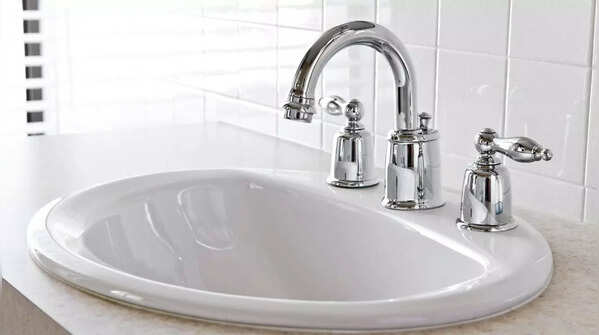
Bathroom taps and sink handles
The bathroom faucet involves use before and after washing hands. This increases the spread of the bacteria. In addition to that, moisture increases the growth of the bacteria. One needs to clean the faucet using a disinfectant spray or a vinegar cleaner daily.
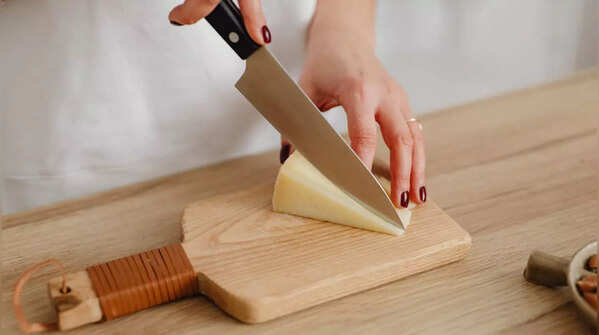
Cutting boards
Cutting boards, especially wooden ones, may harbour bacteria present in raw meats and vegetables in tiny grooves. Wash them thoroughly using hot water and soap as soon as you are through with them. Another means of cleaning is using bleach solutions or vinegar. After that, allow them to air dry before storing.
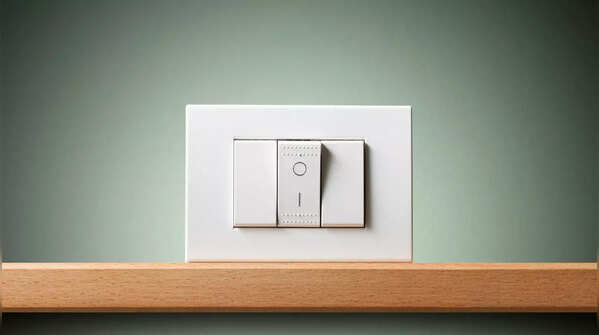
Light switches
Light switches are touched incessantly yet are commonly overlooked when carrying out cleansing procedures. Bacteria remain on plastic for several days. Clean the switches with care using disinfectant wipes or alcohol-based solutions, being cautious that water does not seep into electrical parts.
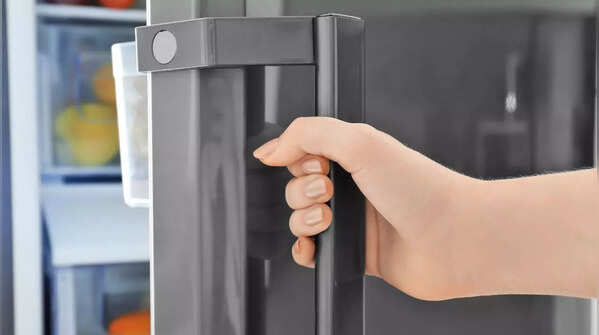
Refrigerator handles
Refrigerator handles are frequently touched using unclean hands during cooking, making the handle highly contaminated. Contamination of food is easily facilitated through constant handling. Clean the handle every day using disinfectant wipes or a mild bleach solution after handling raw ingredients.
Cleaning encompasses more than just visible surfaces. Everyday items that we use, touch frequently may quietly contain dangerous bacteria if they are neglected. Cleaning such frequently used items within a house will provide a cleaner environment within that home.
All Images Credit: Canva
Featured In lifestyle

