
- News
- lifestyle
- soul-search
- What happens when you chant ‘Om’ daily for 21 days and the right way to do it
What happens when you chant ‘Om’ daily for 21 days and the right way to do it

What happens when you chant ‘Om’ daily for 21 days and the right way to do it
In an age defined by constant notifications, noise and mental overstimulation, the idea that a single sound could calm the mind may seem almost too simple. Yet for thousands of years, the syllable Om has held a central place in Indian spiritual traditions, meditation practices and yogic philosophy. Often described as the primordial sound of the universe, Om is believed to represent the vibration from which all existence emerges. Today, beyond temples and scriptures, chanting Om has entered wellness studios, therapy spaces and mindfulness routines worldwide. But what actually happens when someone chants Om every day for 21 days? While experiences differ, practitioners and researchers alike observe a pattern of gradual changes, physical relaxation, mental clarity, emotional balance and a quieter internal landscape that unfolds slowly rather than dramatically. Scroll down to read more.

The first shift: Slowing down the body
The earliest effect of chanting Om is usually physiological. The sound is not spoken quickly; it is stretched across a long exhalation, “A-U-M”, followed by a brief moment of silence. This naturally slows breathing, encouraging deeper inhalations and controlled releases of air.
When breathing lengthens, the body’s parasympathetic nervous system activates. Often referred to as the “rest and restore” response, this system counteracts stress by lowering heart rate, easing muscle tension and stabilising blood pressure. Within the first few days, many people report feeling calmer immediately after chanting, even if the rest of the day remains busy.
There is also a measurable biological explanation. The humming vibration created during chanting stimulates the vagus nerve, a key pathway connecting the brain to major organs and responsible for emotional regulation. Gentle vibration combined with slow breathing signals safety to the brain, reducing the body’s stress response.

Week 1: Awareness replaces restlessness
During the first week, the biggest change is often awareness rather than transformation. Sitting still and chanting daily forces attention inward, something modern routines rarely allow.
Many people notice subtle shifts before any dramatic calm appears — a heightened sensitivity to thoughts, emotions, and even bodily sensations. The practice begins to slow the usual rush of reactions, creating a small but meaningful pause between experiencing a feeling and immediately responding to it.
Initially, the mind may wander constantly. Thoughts about unfinished work, conversations or worries may feel louder than ever. This is not failure; it is simply the mind becoming visible. Chanting acts like a mirror, revealing how restless thoughts normally remain unnoticed beneath daily distractions.
By repeating the sound rhythmically, attention gradually anchors itself to breath and vibration. Even five to ten minutes of practice can create brief pockets of stillness, offering relief from mental overload.

Week 2: Clearer thinking and improved focus
Around the second week, many practitioners notice subtle cognitive benefits. Because chanting requires synchronising breath, sound and listening, it functions as a form of focused meditation. The brain learns to stay with one experience instead of jumping rapidly between thoughts.
This shift often appears outside the practice itself. Concentration during work improves, decision-making feels less rushed and mental fatigue reduces. Tasks that once felt overwhelming may seem more structured simply because attention becomes steadier.
Neuroscientists studying repetitive sound meditation suggest that rhythmic vocalisation can reduce activity in the brain’s default mode network, the system associated with overthinking and self-referential thoughts. In simpler terms, chanting helps quiet the internal commentary that constantly evaluates, worries or replays past events.

Week 3: Emotional regulation begins to change
By the third week, emotional patterns often start shifting. Chanting does not eliminate difficult feelings, but it changes how individuals relate to them. Reactions become slower and more deliberate.
The vibration of Om resonates through the chest and throat, areas strongly linked to emotional expression. Many practitioners describe feeling lighter after chanting, as if accumulated tension finds a gentle outlet. Some experience unexpected emotional clarity, recognising stress or sadness they had previously ignored.
This phase can feel subtle yet powerful. Instead of reacting instantly to frustration or conflict, there is often a brief pause, enough space to observe emotions before responding. Over time, this pause becomes one of the practice’s most meaningful outcomes.

A deeper connection with breath and presence
Daily chanting strengthens awareness of breathing patterns, something most people rarely notice. As practitioners become familiar with slow, controlled exhalations, they begin recognising how shallow breathing accompanies anxiety or urgency throughout the day.
Over time, the rhythm of the chant begins to regulate the nervous system itself. The steady repetition acts almost like an anchor, gently guiding the breath into a slower cadence. This shift can lower heart rate, ease muscular tension, and create a subtle but noticeable sense of internal steadiness.
Gradually, this awareness extends beyond meditation sessions. Walking feels more grounded, conversations become more attentive and moments of silence feel less uncomfortable. The body shifts from operating on autopilot to being consciously experienced.
Many also report a physical sensation of resonance, a gentle vibration in the skull, chest or abdomen. Yogic traditions interpret this as energetic alignment, while modern psychology views it as sensory feedback that enhances mindfulness and embodiment.

The role of silence
An often-overlooked aspect of chanting Om is the silence that follows each repetition. As days pass, practitioners frequently find this quiet pause becoming increasingly significant. The mind begins to rest naturally in that brief stillness.
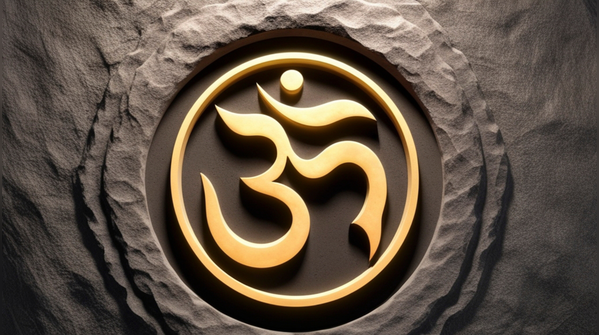
In spiritual philosophy, Om symbolises not only sound but also the silence beyond it, representing waking consciousness, dreaming, deep sleep and the awareness underlying all three. Whether interpreted spiritually or psychologically, the silence after chanting often feels like a mental reset.
Why 21 days make a difference
The idea of practising something for 21 days is both traditional and behavioural. Psychologists suggest that repeated daily actions begin forming stable neural pathways within a few weeks. By chanting at the same time each day, the brain starts associating that period with calm and introspection.
Consistency also reduces decision fatigue. When a practice becomes part of a fixed routine, the mind no longer debates whether to engage in it. This gentle repetition builds familiarity, lowers mental resistance, and gradually strengthens emotional regulation through predictable moments of stillness.
What initially requires effort gradually becomes automatic. Instead of feeling like a discipline, chanting begins to feel like a pause the mind looks forward to, a predictable moment of quiet within an otherwise unpredictable day.

How to chant Om properly
To chant Om effectively, posture and breath matter more than volume or perfection. Sit comfortably with your spine upright, either cross-legged on the floor or on a chair with feet grounded. Close your eyes and take a few slow breaths before beginning. Inhale deeply through the nose, then chant the sound in three gentle parts, “Aaa” (felt in the abdomen), “Uuu” (resonating through the chest), and “Mmm” (vibrating in the head and lips). Let the sound flow naturally on a long exhalation rather than forcing it.
Many practitioners find it helpful to keep their hands resting lightly on their knees or in a relaxed mudra, allowing the shoulders to soften. This physical ease prevents strain and helps the body settle, creating the right internal environment for deeper, more mindful chanting.
Allow the breath to remain smooth and unhurried, observing how the sound naturally lengthens the exhalation. Keep the face relaxed and the mind attentive to sensation rather than sound quality. With each repetition, notice subtle shifts in calmness, as awareness gradually moves inward and distractions begin to soften.
The final humming “M” should fade softly into silence; allow a brief pause before the next breath. Chant at a steady, comfortable pace for five to ten minutes, focusing on the vibration and breath rather than performance. Consistency and awareness are more important than duration, the aim is not loudness, but a calm, continuous resonance that settles both body and mind.
Featured In lifestyle

