
- News
- lifestyle
- travel
- destinations
- What’s it like to visit Jhalana Leopard Safari Park in Rajasthan?
What’s it like to visit Jhalana Leopard Safari Park in Rajasthan?
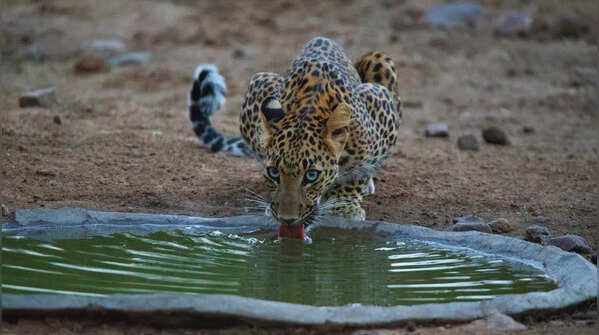
What’s it like to visit Jhalana Leopard Safari Park in Rajasthan?
Just a few kilometers away from the pink-hued palaces and bustling bazaars of Jaipur, there lies a wilderness that few first-time travellers would ever expect to find. The hum of traffic gives way to the crunch of dry leaves and the shrill warning calls of deer. The landscape turns rugged, granite hills, scrub forests and dusty tracks winding into silence. Welcome to Jhalana Leopard Safari Park, one of India’s most fascinating urban wildlife reserves and perhaps the easiest place in the country to spot a wild leopard. Unlike the huge tiger reserves that take days to plan for and long forest drives, Jhalana provides a thrilling experience right at the edge of Jaipur. This is what it is like to visit Jhalana Leopard Safari Park.
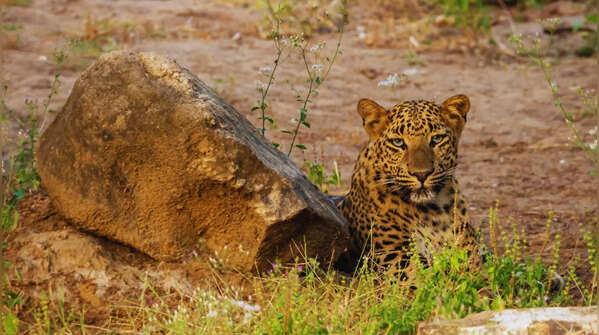
A rare opportunity to get a close look at leopards
Jhalana is famous for its leopard population. What makes the experience special is the high probability of sightings. Because the park is relatively small (around 23 sq km) and the leopards here are well accustomed to safari vehicles, visitors often get clear and prolonged views. It is not unusual to see a leopard walking confidently across a track, perched on rocky ridges, or resting beneath thorny trees. Unlike in larger reserves where big cats may be elusive, here the terrain, open scrub and exposed granite outcrops, improves visibility. The thrill of locking eyes with a wild leopard just metres away is unforgettable.
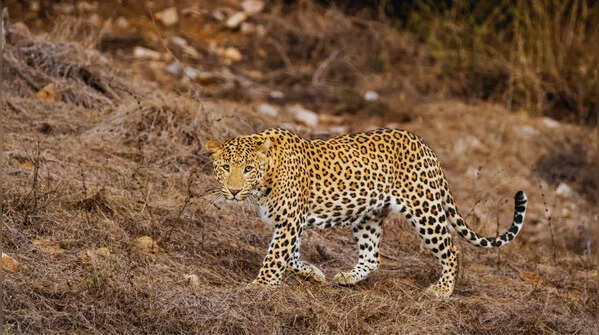
A dramatic landscape of granite hills and dry forests
Jhalana is a part of the ancient Aravalli range. Instead of dense forests, you can expect to see dry deciduous forests, scrub, and rocky outcrops. The landscape has an unspoiled quality to it, with rugged hills, valleys, and natural waterholes. The landscape changes beautifully with the light. In the early morning, the rocks are painted gold. In the evening, the landscape has an amber glow.
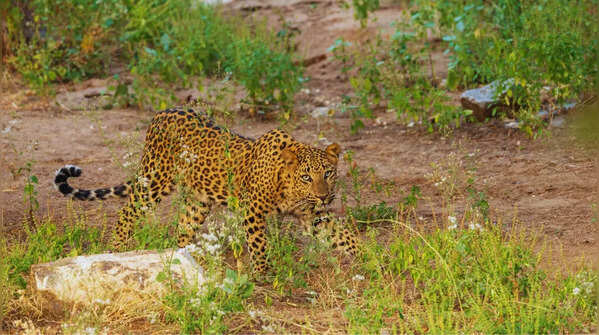
Early morning and evening safaris are magical
Safaris at Jhalana are conducted in two slots, early morning and late afternoon, which are the best times for wildlife spotting. Morning safaris have a fresh, clean feel. Birds begin their calls, peacocks display, and spotted deer move cautiously in herds. Evening safaris, on the other hand, have a cinematic quality. As the sun sets, leopards start to emerge, and the setting sun makes every action seem magnified and intense. The safaris are usually two to three hours long, which is perfect – long enough to be meaningful but short enough to be combined with sightseeing in Jaipur.
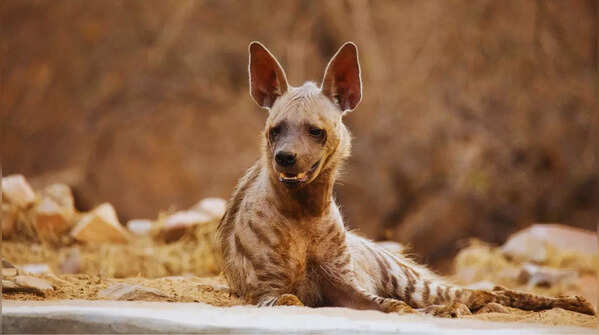
Rich wildlife beyond leopards
While leopards are the main attraction, Jhalana has a surprisingly rich ecosystem. Visitors commonly spot chital (spotted deer), nilgai, desert foxes, golden jackals, striped hyenas, and Indian palm civets. The park is also excellent for birdwatching. Crested serpent eagles, shikras, peafowl, owls and many migratory birds can be seen, especially in winter months.
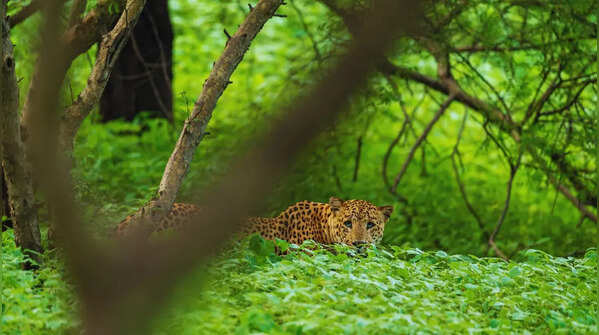
An accessible and less crowded wildlife experience
One of the greatest advantages of Jhalana is that it is an extremely accessible wildlife destination. Unlike other tiger reserves that take a long drive by road, Jhalana is only a short drive away from the heart of Jaipur. This makes it an excellent destination for first-timers on a safari, families with kids, people with limited time in their hands, and photographers who are looking to click close-up shots of wildlife. Compared to other parks like Ranthambore, Jhalana receives fewer safari vehicles in each zone, which makes the experience of spotting wildlife less crowded. There is a sense of serenity in this place, an element that gives one the feeling that they have discovered a hidden wilderness within a historical city.
Featured In lifestyle

