
- News
- lifestyle
- travel
- things-to-do
- 10 countries with the largest forest cover in 2026–find India on the list
10 countries with the largest forest cover in 2026–find India on the list

10 countries with the largest forest cover in 2026–find India on the list
As the world continues to witness an increasing level of concern over climate change, carbon emissions, and the destruction of ecosystems, the level of forest cover has become one of the most closely watched environmental indicators in the world. According to the World Population Review, a few countries lead the world in terms of forest cover in 2026, not only because of the level of coverage but also because of geographical and climatic factors. These countries together comprise a substantial portion of the remaining forested area on the planet. Wonder where India finds itself on the list? Read on to know more.
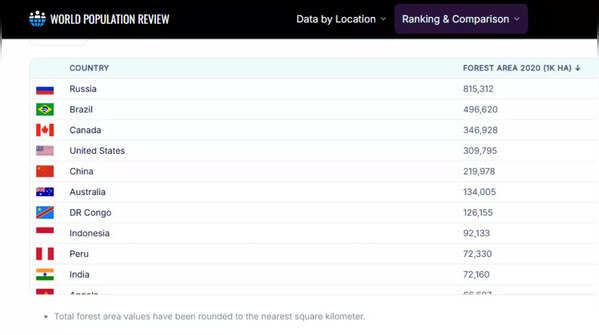
List of countries with the largest forest cover in 2026
Russia
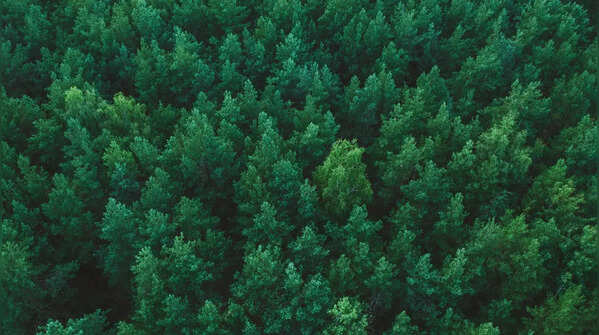
With an estimated 815,312 square kilometres of forest cover, Russia leads the world by a wide margin. A large portion of this forest is located in Siberia, making it the largest range of boreal forests in the world. These taiga forests are essential carbon reservoirs, containing massive amounts of carbon in the form of trees and frozen soil. Although sparsely populated, Russia’s forest area is disproportionately important in the regulation of global climate and biodiversity.
Brazil
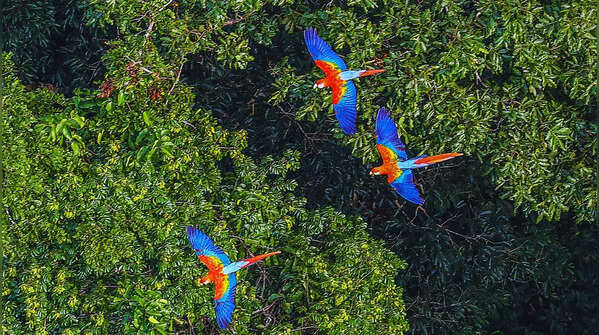
Brazil, with 496,620 square kilometres of forest, ranks second globally and is home to the largest share of the Amazon Rainforest. Often called the “lungs of the planet,” Brazil’s forests are some of the most biologically diverse on the planet. They are home to millions of species and indigenous populations, besides which they also affect rainfall patterns across the globe, extending beyond South America. Although under threat from deforestation, Brazil is one of the most forested countries in the world.
Canada
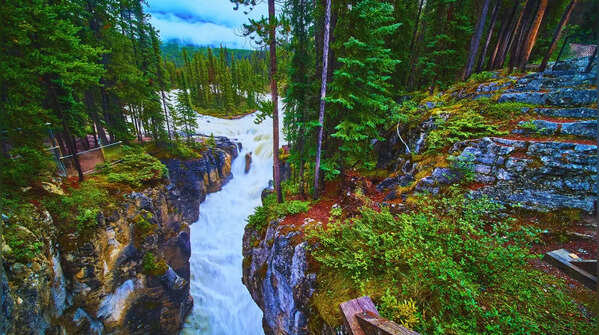
Canada has 346,928 square kilometres of forest area, which is largely distributed in the extensive, sparsely populated zones. As in Russia, the boreal forests, with wetlands and lakes, are the main forest types in Canada. These forests are home to moose, bears, and wolves, and are a key component of the North American environment.

United States
The United States, with 309,795 square kilometres of forest area, ranks fourth in the world. The forests of the US are extremely varied, with boreal forests in Alaska, temperate rainforests in the Pacific Northwest, and deciduous forests in the eastern states. Although the US does not have extensive forest ranges like Russia or Brazil, the varied forest types in the US make a significant contribution to conservation, recreation, and climate regulation.

China
With a forest area of 219,978 square kilometers, China has registered significant progress through massive afforestation and reforestation efforts in the past decades. Despite the fact that the country has lost a significant amount of its original forest cover due to population growth and agricultural expansion, government-initiated tree-planting programs have helped to reclaim forested regions, especially in the northern and western regions of the country.
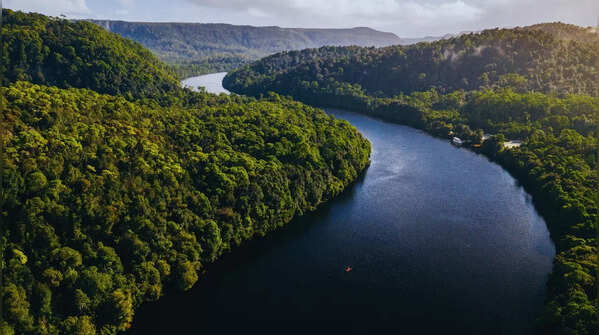
Australia
The forested area in Australia is 134,005 square kilometers, and most of it is dominated by eucalyptus woodlands and tropical forests in the northern regions of the country. Unlike other rainforests, Australian forests are usually adapted to fire-tolerant conditions. Australian forests are increasingly under threat due to climate change-related bushfires.
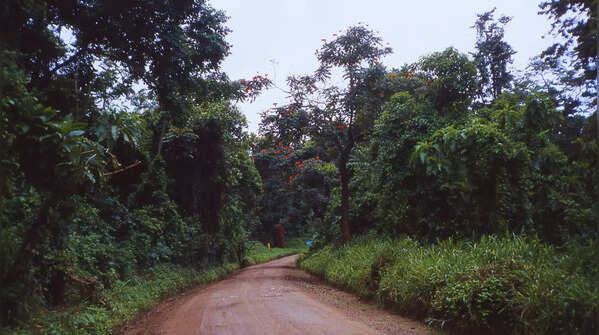
Democratic Republic of the Congo
The DR Congo has the second-largest tropical rainforest, which measures 126,155 square kilometers, second only to the Amazon. The Congo Basin forests are a biodiversity hotspot and the largest carbon sink in the world. They are also essential to the lives of millions of people, making conservation in this region a matter of both environmental and humanitarian importance.
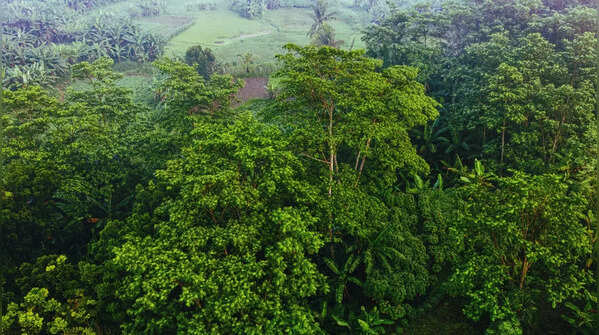
Indonesia
Indonesia’s forest size measures 92,133 square kilometers and is known to have some of the most biodiverse tropical forests in the world, which are distributed on the islands of Sumatra, Borneo, and Papua. The forests are known to harbor endangered species such as orangutans and Sumatran tigers. However, they are also among the most endangered due to land use change.

Peru
With a forest area of 72,330 square kilometers, Peru continues to be one of the most forested nations in South America. A large portion of this is in the Amazon Basin. The forests in Peru are becoming ever more important in the context of conservation tourism and global climate action.
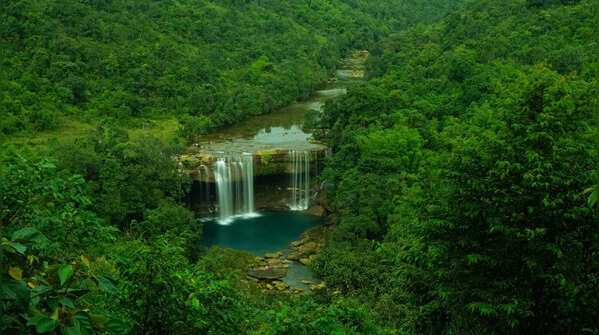
India
India, with a forest area of 72,160 square kilometers, rounds off the top ten list. Notwithstanding the fact that it has one of the highest population densities in the world, India has a considerable forest cover that includes the Himalayan forests and the central Indian sal belts, as well as the mangrove forests such as the Sundarbans. These forests are critical in supporting biodiversity, water security, and climate change resilience, despite the fact that they exist alongside some of the most densely populated regions in the world.
Featured In lifestyle

