
- News
- Technology News
- Tech News
- Tesla Bull Ross Gerber to Apple’s new CEO John Ternus: Apple ‘needs’ Google because …
Trending
Tesla Bull Ross Gerber to Apple’s new CEO John Ternus: Apple ‘needs’ Google because …
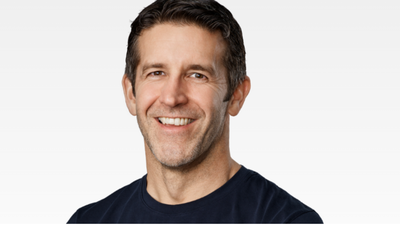
John Ternus
Ross Gerber believes Apple excels in hardware
Ross Gerber also shared a product wishlist for Ternus
Smart glasses : Gerber called Apple Vision Pro a “failure” and said glasses are the natural next step, allowing users to move beyond smartphones.- Health tracker: He suggested a watch-like device without a face, warning Apple is losing share to rivals like Whoop.
Apple's next CEO John Ternus tells employees what Apple won't do with AI

About the AuthorTOI Tech Desk
End of Article
Latest Mobiles






Follow Us On Social Media

Hot Picks
Top Trending
Tired of too many ads?go ad free now
Trending Stories
In Section
Entire Website
- Quote of the day by Sundar Pichai: “As a leader, it is important to not just see your success but focus on the success of others.”
- America's largest bank JPMorgan CEO Jamie Dimon has a career advice for everyone, and it is these three words
- Bill Gates Foundation reduces its Microsoft stake to Zero from 28.5 million, a move driven by…
- Donald Trump may have made Nvidia CEO join him on Beijing trip at 11th hour, but China's stand on American chips remains clear: Thanks, but…
- Amazon, Microsoft, Meta and others may have 'huge problem' as Americans almost 'hate' having datacenters in their city, reasons are ...
- FCC gives AT&T one-year 'extension' in 'China router ban'; says: Waiver does not undermine national security given that ...
- New Berkshire CEO Greg Abel’s first ‘major move’ is decision that Warren Buffet never took; it may be good news for Google and bad news for Amazon
- Elon Musk's Spacex in letter to FCC: Stop spending billions on subsidies; establish a plan to end ...
- Nvidia billionaire Mark Stevens donates $175 million to build Silicon Valley’s first medical school in 100 years
- Google Gemini Intelligence will only work on high-end Android devices: Check if your phone is one of them
- KKR vs GT Live: Kolkata beat Titans by 29 runs to keep playoff hopes alive
- TS EAPCET Result 2026 Live Updates: JNTUH to announce scorecards today at eapcet.tgche.ac.in; direct link, qualifying marks and updates here
- IPL 2026 Playoff Qualification Scenarios: With 10 matches to go, KKR's chances rise to 10% - odds for each team explained
- IPL Match Today, PBKS vs RCB: Predicted playing XI, head-to-head, toss timing, pitch report, Dharamsala weather update
- Who Is Richer Between Cardi B And Stefon Diggs? Inside Their Massive Combined Net Worth As Patch-Up Rumours Heat Up
- Stephen Curry and Ayesha Curry combined net worth in 2026: How the NBA power couple built their massive fortune?
- Minister’s Son In POCSO Case: Bandi Sanjay says he handed him to police; Cyberabad cops say he was apprehended
- 'Illegally constituted': MEA rejects Pakistan-backed Court of Arbitration ruling on Indus Waters Treaty
- NFL Trade Rumor: Detroit Lions linked to veteran former New York Giants QB after sharp decline in form amid reported New York Jets offer
- Robert Lewandowski confirms FC Barcelona exit, which clubs are leading the race for the veteran forward?
Tired of too many ads?go ad free now



Explore Every Corner
Across The Globe
NFL Trade RumorsTS EAPCET Result 2026PM ModiNEET UG 2026IPL Playoff ScenarioKKR vs GTVirat KohliNHL Trade RumorsLuciano darderiIPL Orange CapNathan mackinnon and charlotte walkerGujarat Rape Wife and DaughterArman tsarukyanMamata BenerjeeNEET Paper LeakSunetra PawarAmbati RayuduRonda RouseyKKR vs GTNFL Trade RumorsPetrol Diesel PriceUS Iran WarIPL Purple Cap WinnerTrevor Zegras and Owen Tippett InjuriesKylian MbappeRussell Wilson NFL RetirementIPL Points TableJyotipriya MallicPriyadarshini MallickDonald Trump China Visit

Hot on the Web
Splitsvilla X6 WinnerMatt BergerShadaab KhanC S LewisCelina JaitlyRanveer SinghSharib HashmiJim CarreyNasreen HashmiRanbir KapoorAakhri Sawal Movie ReviewStudy Tips For StudentAlia BhattUnique Fruit TreesThe Summer I Turned Pretty MovieChinese ProverbJames McAvoy QuoteBaby NamesChef Vikas KhannaKaruppu Movie ReviewIndian Foods‘The Summer I Turned Pretty MovieBhooth Bangla Box Office CollectionPuma VS JaguarRatan Tata QuoteRishab ShettyEurope Summer FlightDhurandhar 2 Box Office CollectionRaja Shivaji Box Office CollectionHoroscope TodayHighest Mountains in The WorldFatah 3 VS BrahmosSnakes SlitherCleanest Lakes In The USBill GatesAttracts Snakes To ToiletMartian RockJP MorganLegal Document PropertyClaim Fixed Deposit After DeathGhost Of The WoodsCaptions For Instagram Posts
Trending Topics
Hardik PandyaIPL Points TableShardul ThakurTilak Varma ControversyRachin RavindraIPL 2026UPSC CSE Prelims Admit Card 2026Robin SinghMeningitis Outbreak BerkshireConor McGregorAkash SinghVirat KohliJasprit BumrahDeepak ChaharNikhat ZareenRavichandran AshwinSimon DobbinDonald Trump China VisitBITS Pilani student suicideUS Iran WarWB 12th Result 2026PBKS Qualification ScenarioStrait of HormuzEA FC 26 La Liga TOTS players leakedUP StormMicah Parsonsmike vrabel dianna russini controversyKerala CM AnnouncementSiddaramaiahFortnite V40 Release timeElon Musk CEO FriendOracle Revokes Job OffersSam Altman Unhappy With AppleOpenAI Caught Sharing DataHack MacOSSteve JobsNyt ConnectionsSridhar VembuGarena Free Fire MAX Redeem CodesPeroxide CodesGenshin Impact Codes
Popular Categories
HeadlinesSports NewsBusiness NewsIndia NewsWorld NewsInternational SportsHealthIndian TV ShowsTechnologyTravelEtimesAstrologyDeorhiAutoTechnology NewsGold Rate TodayWeather TodaySilver Price TodayDelhi Weather TodayPetrol Price TodayDiesel Price TodayCNG Price TodayLPG Price TodayPetrol Price MumbaiDelhi AQIIs Bank Open TodayMumbai AQI TodayIs Bank Open TomorrowPublic Holidays in MayBank Holidays in May
Trending Videos
Kandla Port Receives 20,000 Tonnes Of LPG Via Marshall Islands-Flagged TankerBhojshala Temple Case: MP High Court Grants Worship Rights To HindusFire Breaks Out In Rajdhani Express Coach In MP, All Passengers Safely EvacuatedDrishyam 3 takes a shocking turn: Hindi and Malayalam versions may follow different stories Europe 'Turns To Iran' To Keep Lights On Amid Growing Push For Oil Access Requests | REPORTWB Minister Dilip Ghosh Says Bulldozer Action Against Illegal Constructions Will Continue‘No One Wants To Hang Out With Her?’ Meghan Blamed As Sussexes Lose A-List Allies | WATCHIran Hits Israel’s Secret Military Site? Massive Explosion Rocks Israeli City | WATCH'Support PM But...': Anand Ranganathan Gets Candid On PM Modi's Austerity Call, Petrol Price Hike Trump Confirms Iran War Return, Attack Anytime? US' Big Declaration; 'CALM BEFORE THE STORM...'Union Minister Bandi Sanjay’s Son Surrenders In POCSO Case, Remanded Till May 29Five Maoist Functionaries Surrender In Gadchiroli As ‘Operation Antim Prahar’ IntensifiesPM Modi’s Netherlands Visit: India-Dutch Ties Upgraded To Strategic PartnershipIndia's $500-MN 'Golden Gate' Or Strategic Trap? Chabahar Port Revival Proposal Faces Iran Test$0 BUSINESS! Trump’s ‘Hormuz Insurance Scheme’ Flops, Embarrassment After Zero Ship Signups | Report‘Not Against Iran…’: US Ally UAE ‘Pleads’ For Putin’s Help After IRGC’s FINAL ‘WARNING SHOTS’First Visuals: US Military Hunts Down, Kills Top ISIS Leader Abu-Bilal In Big Nigerian StrikeTrump ‘HIDING HEALTH BUNKER’ Under Mega Ballroom? Bombshell On ‘Secret’ White House Hospital
Latest News
Hazaribag man drowns while fishing in lake"Behen Darr Gayi!": Fans relive ‘Bhagam Bhag’ era after watching Akshay Kumar's 'Bhooth Bangla' trailerMBOSE HSLC result 2026 to release tomorrow: Check details hereIran war risk: JPMorgan CEO Jamie Dimon warns of oil shocks, sticky inflation and higher interest ratesMake your clutch last longer with these easy driving tips“Three-against-one situation”: El Rubius opens up on being “targeted” in MrBeast’s viral $1M challengeBihar BTSC lab assistant notification released for 1091 posts at btsc.bihar.gov.in; apply hereIPL craze costs techie Rs 1.46 lakh in fake RCB vs CSK ticket scamRaising “robot-proof” kids: Why creativity and curiosity matter more than everInside ‘Satguru Sharan’: Exploring Saif Ali Khan and Kareena Kapoor Khan’s Rs 100 crore Bandra homeHow selling Alaska in 1867 was a costly mistake for Russia'Hera Pheri 3 is coming': Paresh Rawal dismisses delay reports and reveals he will 'start shooting soon'US-Iran War: A daring rescue Hollywood blockbuster is on its way. Till then, pick your favourite from these 10 films on bringing someone home against all oddsKolkata team unveils fan mural at Rash Behari Avenue, celebrating city’s first loveHow US spread a lie to rescue a pilot of a jet shot down in IranNetflix unveils ‘VOID’, an AI model that can change a movie plotAI data centers are causing 'stress' not just to tech companies, but also private insurers"Trans women are.....": Clavicular’s viral moment with trans women sparks fresh conversation on internet culture
Copyright © 2026 Bennett, Coleman & Co. Ltd. All rights reserved. For reprint rights: Times Syndication Service