
- News
- City News
- delhi News
- Delhi-Meerut Expressway gets pricier: NHAI hikes toll from April 1
Delhi-Meerut Expressway gets pricier: NHAI hikes toll from April 1
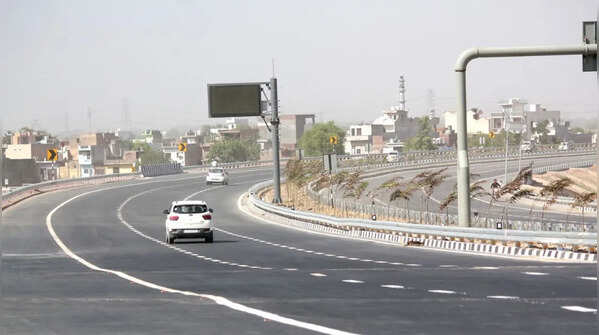
Toll hike from April 1 on Delhi-Meerut Expressway
National Highways Authority of India (NHAI) has proposed a toll rate hike for 2026-27 on the corridor. The increase, about 5% on average, will come into effect from midnight of April 1.
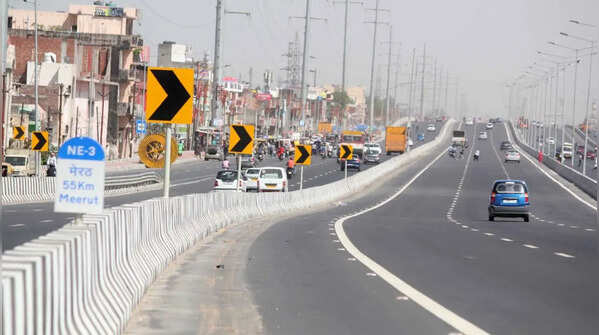
Phased development of the corridor
The stretch was developed in four packages, with sections opening between 2018 and 2021.
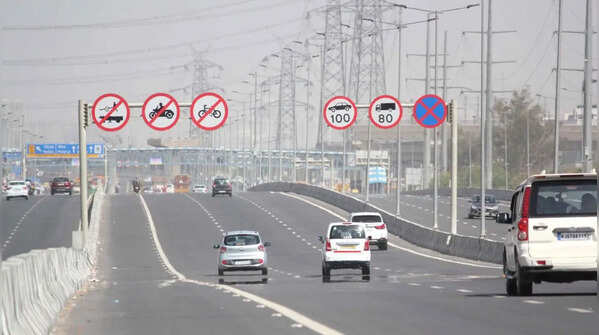
Seven entry and exit points on the corridor
The stretch can be accessed at Sarai Kale Khan, Indirapuram, Dundahera, Dasna, Rasoolpur Sikrod, Bhojpur and Kashi toll plaza, making it a multi-entry access-controlled route.
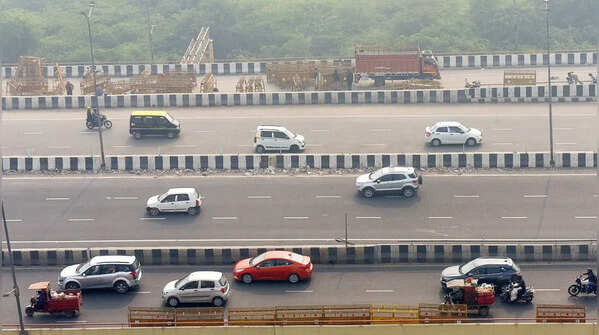
Light vehicle toll revised upwards on the 82-km stretch
From Sarai Kale Khan to Meerut, light vehicles such as cars, jeeps, vans and light motor vehicles (LMVs) will now pay Rs 175 one-way, up from Rs 170. Return journey will cost Rs 265, up by Rs 10.
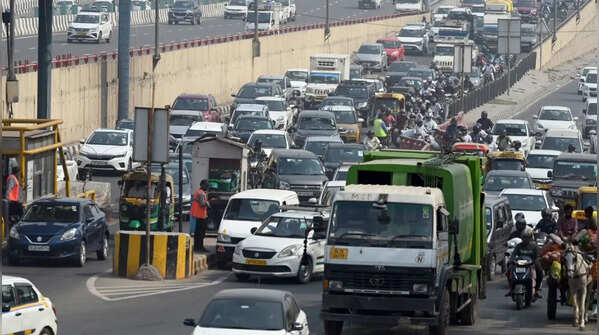
Traffic volume on expressway
The corridor and National Highway 9 together witness about 398,000 passenger car units (PCU) per day, including around 50,000 PCU on the expressway stretch alone.
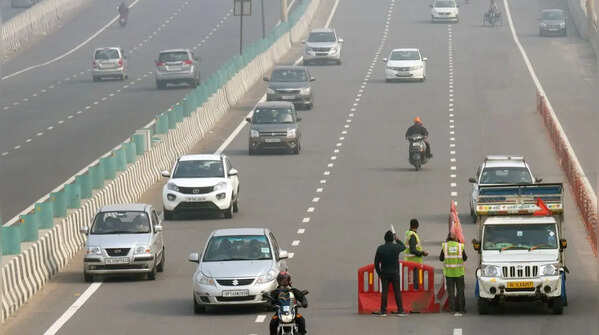
Revised rates for multiple vehicle categories
Officials said toll rates have also been increased for buses, two-axle trucks, multi-axle vehicles (MAVs), including three-axle, four–six axle, and oversized vehicles with seven or more axles.

Closed tolling system implemented on the corridor
National Highways Authority of India has introduced a closed tolling system, where commuters are charged based on actual distance travelled using FASTag readers at entry and exit points.
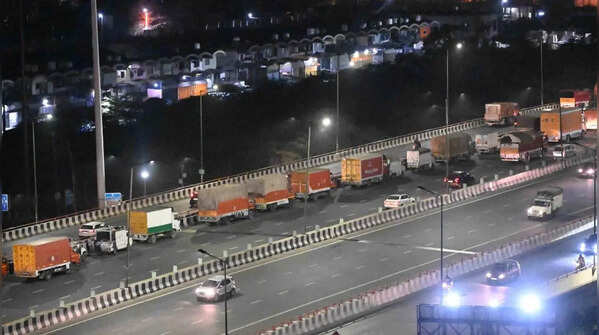
Higher charges for commercial vehicles on the corridor
Light commercial vehicles (LCVs), goods vehicles and minibuses will now pay Rs 285 one-way, increased from Rs 275 earlier. Return journey cost has been revised to Rs 425 from Rs 415.
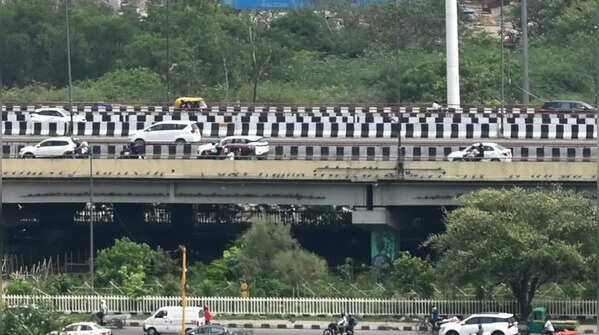
Indirapuram to Meerut revised toll rates
For light vehicles on this stretch, toll has been revised to Rs 120 from Rs 115 earlier. Return journey will now cost Rs 189, up from Rs 175.
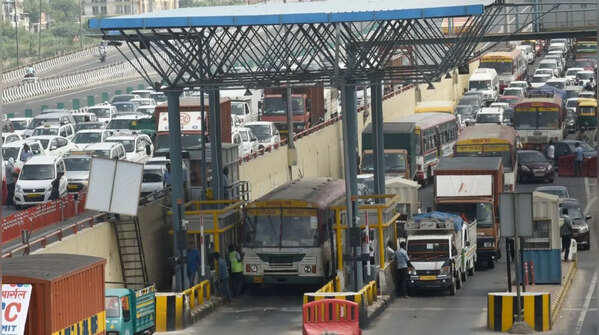
Only FASTag and UPI) payment allowed
Officials said cash payment has been discontinued on the expressway. Toll can now be paid only through FASTag or Unified Payments Interface (UPI), ensuring fully digital transactions.
Featured In City

